Exporters Risk Up to 10 Years in Jail for Failing to Repatriate Proceeds – BoG

0
120


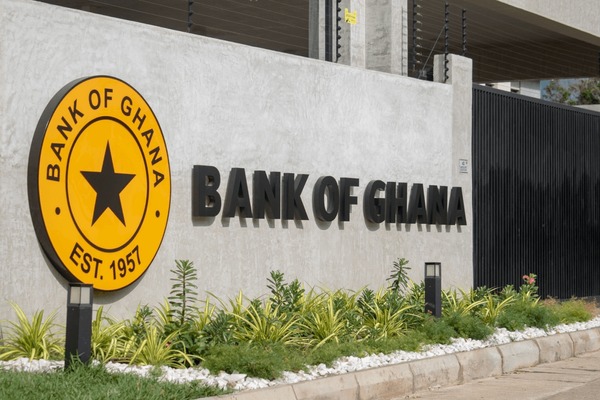
The Bank of Ghana (BoG) has issued a stern warning to exporters who fail to repatriate proceeds from exports, cautioning that offenders risk facing up to ten years imprisonment under the law.

According to the central bank, several exporters have been found defaulting in repatriating foreign exchange proceeds into the country, a direct violation of the Foreign Exchange Act, 2006 (Act 723). The Act mandates that all export proceeds must be repatriated within 60 days after shipment.

BoG emphasized that it will intensify collaboration with the Ghana Revenue Authority (GRA), Economic and Organized Crime Office (EOCO), and other state agencies to ensure strict enforcement. The regulator warned that defaulting exporters could face prosecution, hefty fines, or imprisonment for up to a decade.

Exporters Risk Up to 10 Years in Jail for Failing to Repatriate Proceeds – BoG  The Bank of Ghana (BoG) has issued a stern warning to exporters who fail to repatriate proceeds from exports, cautioning that offenders risk facing up to ten years imprisonment under the law.  According to the central bank, several exporters have been found defaulting in repatriating foreign exchange proceeds into the country, a direct violation of the Foreign Exchange Act, 2006 (Act 723). The Act mandates that all export proceeds must be repatriated within 60 days after shipment.  BoG emphasized that it will intensify collaboration with the Ghana Revenue Authority (GRA), Economic and Organized Crime Office (EOCO), and other state agencies to ensure strict enforcement. The regulator warned that defaulting exporters could face prosecution, hefty fines, or imprisonment for up to a decade.  The move aims to stabilize Ghana’s foreign exchange market, enhance liquidity, and curb illicit financial flows amid growing concerns over the depreciation of the cedi.  In related developments, the government has also officially revoked the controversial Legislative Instrument (L.I.) 2462, which previously granted the Ghana Revenue Authority (GRA) power to demand upfront payment of Value Added Tax (VAT) from businesses before the sale of goods or services.  The repeal of the L.I. followed weeks of backlash from the business community and the Ghana Union of Traders’ Associations (GUTA), who argued the regulation would worsen the cost of doing business and stifle growth in the private sector.  Government sources say the revocation forms part of broader efforts to ease the regulatory burden on businesses and promote investor confidence in the domestic economy.  SEO Tags:
Bank of Ghana, Exporters, Ghana Economy, L.I. 2462, VAT policy, Foreign Exchange Act, GRA, EOCO, Ghana Revenue Authority, Ghana Business Regulations, Economic Policy, Cedi Stability
BoG Governor, Johnson Asiama


The move aims to stabilize Ghana’s foreign exchange market, enhance liquidity, and curb illicit financial flows amid growing concerns over the depreciation of the cedi.

In related developments, the government has also officially revoked the controversial Legislative Instrument (L.I.) 2462, which previously granted the Ghana Revenue Authority (GRA) power to demand upfront payment of Value Added Tax (VAT) from businesses before the sale of goods or services.

The repeal of the L.I. followed weeks of backlash from the business community and the Ghana Union of Traders’ Associations (GUTA), who argued the regulation would worsen the cost of doing business and stifle growth in the private sector.

Exporters risk up to 10 years in jail for failing to repatriate proceeds – BoG


Government sources say the revocation forms part of broader efforts to ease the regulatory burden on businesses and promote investor confidence in the domestic economy.

Malawi Bans Export of Raw Minerals to Boost Industrial Growth

Author

  • Daniel Ablordey

    Daniel Ablordey is a Business Analytics student at the University of Ghana Business School and an emerging strategist at the intersection of data, markets, and narrative. With a keen analytical mind and a passion for African business and economic trends, he is building a career focused on translating complex data-driven insights into accessible, decision-relevant stories that matter.

    As a writer and editor with Insight Ghana, African Business Insight, and The African Journal, Daniel delivers sharp, high-impact analysis on current affairs, business developments, and emerging trends across the continent. His work is defined by precision, clarity, and a deep commitment to responsible journalism — ensuring that every story he tells is not only accurate but meaningful to the audiences it serves.

    Beyond his editorial work, Daniel serves as an Ecobank Youth Ambassador, where he actively promotes financial inclusion, digital banking, and financial literacy among young Ghanaians. His leadership experience spans academic, professional, and faith-based institutions, where he has consistently driven initiatives centered on growth, structure, and long-term impact.

    Grounded in the principles of Pan-Africanism and service, Daniel brings a rare combination of analytical rigour and storytelling depth to his work. Whether unpacking market behavior, profiling emerging business leaders, or covering cultural shifts shaping the continent, he approaches every assignment with strategic intent and editorial integrity.

    His broader ambition is to contribute to Africa's transformation by shaping how data, business, and storytelling intersect — not just locally, but on a global stage.

Previous articleTrump Threatens Military Action in Nigeria Over Alleged Attacks on Christians
Next article15,000 Teachers Still Unposted as Licences Near Expiry — Delays Undermine Ghana’s Education Delivery
Daniel Amenyo Ablordey
Daniel Ablordey is a Business Analytics student at the University of Ghana Business School and an emerging strategist at the intersection of data, markets, and narrative. With a keen analytical mind and a passion for African business and economic trends, he is building a career focused on translating complex data-driven insights into accessible, decision-relevant stories that matter.

As a writer and editor with Insight Ghana, African Business Insight, and The African Journal, Daniel delivers sharp, high-impact analysis on current affairs, business developments, and emerging trends across the continent. His work is defined by precision, clarity, and a deep commitment to responsible journalism — ensuring that every story he tells is not only accurate but meaningful to the audiences it serves.

Beyond his editorial work, Daniel serves as an Ecobank Youth Ambassador, where he actively promotes financial inclusion, digital banking, and financial literacy among young Ghanaians. His leadership experience spans academic, professional, and faith-based institutions, where he has consistently driven initiatives centered on growth, structure, and long-term impact.

Grounded in the principles of Pan-Africanism and service, Daniel brings a rare combination of analytical rigour and storytelling depth to his work. Whether unpacking market behavior, profiling emerging business leaders, or covering cultural shifts shaping the continent, he approaches every assignment with strategic intent and editorial integrity.

His broader ambition is to contribute to Africa's transformation by shaping how data, business, and storytelling intersect — not just locally, but on a global stage.