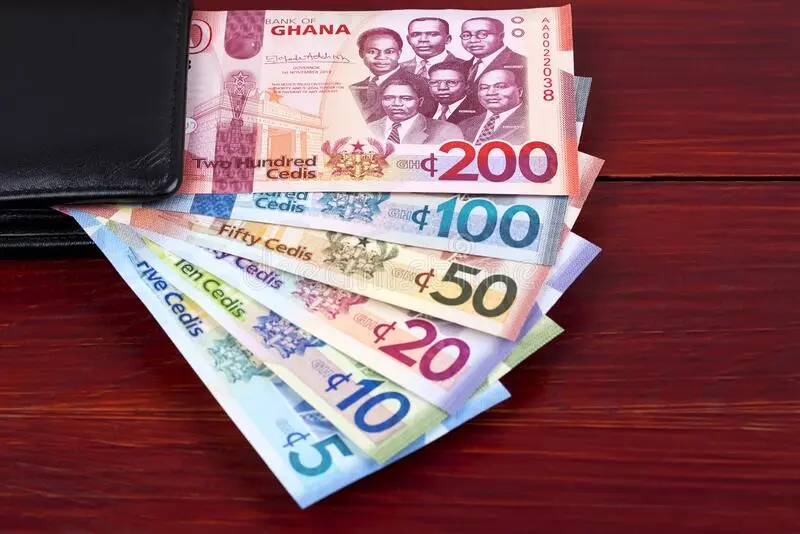
Cedi Erases Q3 Losses, Gains 5% Against US Dollar Over the Week

0
93
ADB Ghana,

The Ghana cedi has staged a sharp rebound, climbing approximately 5% against the US dollar over the week of October 6 to October 10, 2025. This recovery has erased losses incurred in the third quarter, when the cedi had come under sustained pressure.

During the third quarter, Ghana’s currency depreciated by nearly 14%, as reported in various economic reviews, largely driven by a surge in demand for foreign currency amid import pressures and tightening external conditions. The rebound this week has been fueled by improved forex supply, changes in central bank policy, and a more disciplined macroeconomic environment.

Bank treasurers have pointed to reforms by the Bank of Ghana, such as shifting forex interventions from weekly auctions to spot sales and tightening foreign exchange regulations, as key enablers of the rally. The Ghana Association of Banks also confirmed that these policy changes, particularly the review of the Net Open Position rules for commercial banks, helped restore confidence in the currency market.

Cedi Erases Q3 Losses, Gains 5% Against US Dollar Over the Week

At the interbank market, the cedi was quoted between GH¢11.95 and GH¢12.05 per US dollar during trading, while in retail forex bureaus it hovered around GH¢13.20 to GH¢13.50 for those buying dollars. Some commercial banks reported offering the dollar at GH¢12.30 in retail transactions.

The recovery marks the first significant appreciation since the third quarter of 2025, and comes despite limited direct market intervention by the central bank in recent sessions. Analysts say that the cedi’s recovery is modest but meaningful, the kind of correction needed to stabilize expectations in the foreign exchange market.

Still, challenges remain. The cedi’s quarterly loss is a reminder of how vulnerable Ghana’s economy is to external shocks and import demand. As reported by Bloomberg, Ghana’s reliance on imports has often put strain on its currency when foreign reserves are tight. That said, the broader picture remains favorable: year-to-date, the cedi has recorded a gain of over 20% against the dollar, reflecting stronger fundamentals, investor interest, and tighter monetary conditions.

Cedi Erases Q3 Losses, Gains 5% Against US Dollar Over the Week

Moving forward, sustaining this momentum will depend on continued policy consistency, adequate forex liquidity, and maintaining external stability. The rally offers breathing room, but the cedi’s long-term trajectory will rely on Ghana’s ability to generate foreign exchange through exports, manage public debt, and maintain confidence in the financial system.

BoG Governor Urges Banks to Boost Lending Amid Signs of Economic Recovery

Author

  • Daniel Ablordey

    Daniel Ablordey is a Business Analytics student at the University of Ghana Business School and an emerging strategist at the intersection of data, markets, and narrative. With a keen analytical mind and a passion for African business and economic trends, he is building a career focused on translating complex data-driven insights into accessible, decision-relevant stories that matter.

    As a writer and editor with Insight Ghana, African Business Insight, and The African Journal, Daniel delivers sharp, high-impact analysis on current affairs, business developments, and emerging trends across the continent. His work is defined by precision, clarity, and a deep commitment to responsible journalism — ensuring that every story he tells is not only accurate but meaningful to the audiences it serves.

    Beyond his editorial work, Daniel serves as an Ecobank Youth Ambassador, where he actively promotes financial inclusion, digital banking, and financial literacy among young Ghanaians. His leadership experience spans academic, professional, and faith-based institutions, where he has consistently driven initiatives centered on growth, structure, and long-term impact.

    Grounded in the principles of Pan-Africanism and service, Daniel brings a rare combination of analytical rigour and storytelling depth to his work. Whether unpacking market behavior, profiling emerging business leaders, or covering cultural shifts shaping the continent, he approaches every assignment with strategic intent and editorial integrity.

    His broader ambition is to contribute to Africa's transformation by shaping how data, business, and storytelling intersect — not just locally, but on a global stage.

Previous articleAce Ankomah Calls for Strategic National Framework to Address Graduate Employment Challenges
Next articleCape Verde Makes History, Becomes Second-Smallest Nation to Qualify for World Cup
Daniel Amenyo Ablordey
Daniel Ablordey is a Business Analytics student at the University of Ghana Business School and an emerging strategist at the intersection of data, markets, and narrative. With a keen analytical mind and a passion for African business and economic trends, he is building a career focused on translating complex data-driven insights into accessible, decision-relevant stories that matter.

As a writer and editor with Insight Ghana, African Business Insight, and The African Journal, Daniel delivers sharp, high-impact analysis on current affairs, business developments, and emerging trends across the continent. His work is defined by precision, clarity, and a deep commitment to responsible journalism — ensuring that every story he tells is not only accurate but meaningful to the audiences it serves.

Beyond his editorial work, Daniel serves as an Ecobank Youth Ambassador, where he actively promotes financial inclusion, digital banking, and financial literacy among young Ghanaians. His leadership experience spans academic, professional, and faith-based institutions, where he has consistently driven initiatives centered on growth, structure, and long-term impact.

Grounded in the principles of Pan-Africanism and service, Daniel brings a rare combination of analytical rigour and storytelling depth to his work. Whether unpacking market behavior, profiling emerging business leaders, or covering cultural shifts shaping the continent, he approaches every assignment with strategic intent and editorial integrity.

His broader ambition is to contribute to Africa's transformation by shaping how data, business, and storytelling intersect — not just locally, but on a global stage.