

When we talk about breast cancer, most people immediately think of women. But here’s the truth: men can also get breast cancer, and the danger is often greater because it’s detected too late. While male breast cancer accounts for less than 1% of all breast cancer cases worldwide, that small percentage still represents thousands of lives every year — lives that could be saved with early detection.
Breast tissue isn’t exclusive to women. Men are born with a small amount of it too, located just behind the nipples. Though men don’t develop milk-producing glands like women, their breast cells can still become cancerous. When abnormal cells begin to grow uncontrollably, they can form lumps or spread to nearby tissue, exactly as they do in female patients.
According to the World Health Organization (WHO), male breast cancer typically appears in men aged 50 to 70, but younger men are not immune. In Ghana and across Africa, late diagnosis is a major problem because men rarely perform self-checks or consider breast-related symptoms serious enough to report.

Doctors emphasize that early detection saves lives. The survival rate for breast cancer is over 90% when caught early, but it drops significantly once the disease spreads. Unfortunately, most men who get diagnosed do so at an advanced stage because they either ignore warning signs or assume “it can’t happen to me.”
So, what should men look out for?
Common symptoms include:
- A lump or thickening in the breast tissue or behind the nipple.
- Changes in nipple shape, such as inversion or flattening.
- Discharge from the nipple, sometimes mixed with blood.
- Swelling, redness, or irritation around the chest.
- Pain or tenderness that doesn’t go away.

If any of these symptoms appear, men should see a doctor immediately for a clinical breast exam or imaging tests such as an ultrasound or mammogram.
There are also certain risk factors men should be aware of. The National Cancer Institute (NCI) identifies several:
- Genetic mutations (especially in the BRCA2 gene)
- Family history of breast cancer
- Obesity, which increases estrogen levels
- Liver disease, which disrupts hormone balance
- Exposure to radiation
- Excessive alcohol consumption
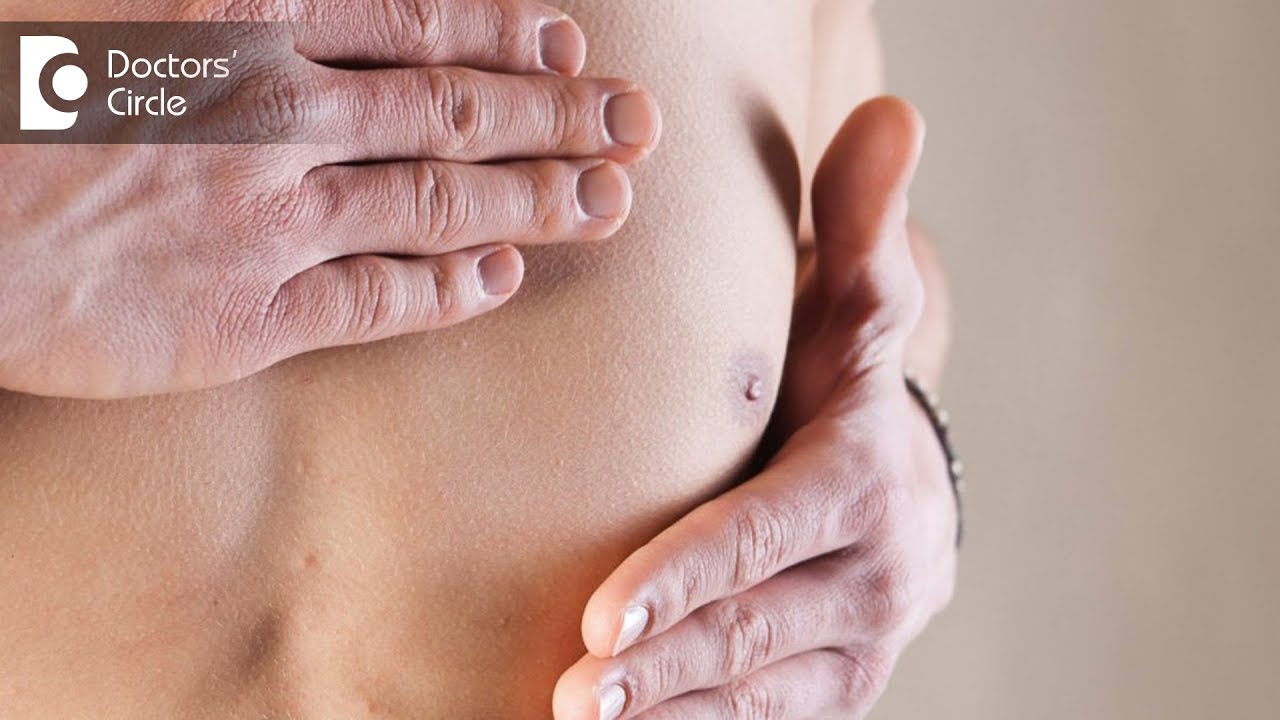
Men with these risks should perform monthly breast self-exams, ideally after a shower when the skin is soft and relaxed. They should gently press around the nipple and chest area, feeling for any hard lumps or unusual textures.
Health experts also stress the importance of public education. Male breast cancer is often stigmatized or dismissed as a “female disease,” leading to silence and shame. But awareness campaigns during Breast Cancer Awareness Month (October) now increasingly include messages aimed at men, encouraging regular screening and self-examination.

In Ghana, the Ghana Health Service and several cancer advocacy groups have started integrating men into breast cancer awareness drives. Hospitals like Korle Bu Teaching Hospital and 37 Military Hospital report that male breast cancer cases, while rare, often come too late for effective treatment. This underscores why education and early testing are critical.
Treatment for male breast cancer is similar to that for women, it may include surgery (mastectomy), radiation, chemotherapy, and hormone therapy depending on the cancer’s stage and type. With timely diagnosis, most men can recover fully and live normal lives.

The takeaway is simple: breast cancer is not gendered. Every man has breast tissue, and every man should check it. Awareness, not shame, is the first step toward prevention.
So the next time you hear “breast cancer awareness,” remember , it’s not just a women’s fight. Men, too, must take charge of their health, perform regular checks, and seek help early. It could save your life.