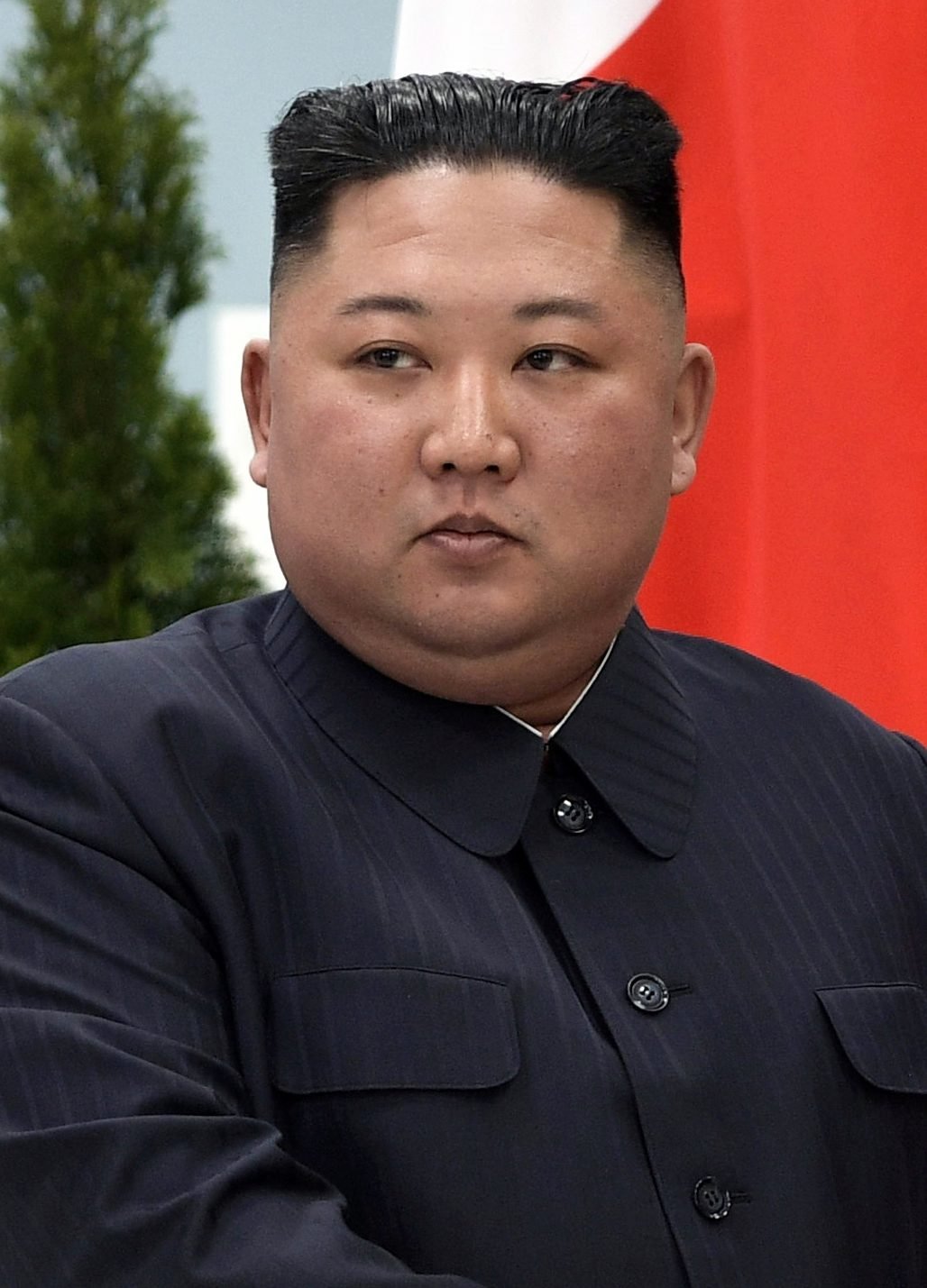
North Korea: Kim Jong Un Orders The Execution Of 30 State Officials Following Incompetence In Office

0
217

North Korea‘s leader Kim Jong Un has reportedly ordered the execution of up to 30 senior government officials over their failure to prevent and manage recent flooding that devastated the nation. These floods, which occurred in July 2024, led to the tragic deaths of nearly 4,000 people, particularly in Chagang Province near the border with China.

Disastrous Floods: Catalyst For Execution

The floods in North Korea this summer were catastrophic, as torrential rains overwhelmed the country’s already fragile infrastructure. Due to the combination of poor drainage, widespread deforestation, and dilapidated infrastructure, vast areas were submerged, resulting in thousands of homes being destroyed and farmland washed away. Thousands of residents were displaced, forced to live in temporary shelters, as officials scrambled to manage the crisis. North Korea’s state media, the Korean Central News Agency (KCNA), confirmed that heavy rainfall severely affected the northwestern region of the country, leading to widespread destruction.

In light of this disaster, Kim Jong Un reportedly took swift action against the provincial governors and other officials who had failed to implement flood control measures or adequately respond to the crisis. According to reports from Chosun TV in South Korea, between 20 and 30 officials were sentenced to death last month, as the regime laid the blame for the disaster squarely on their shoulders.
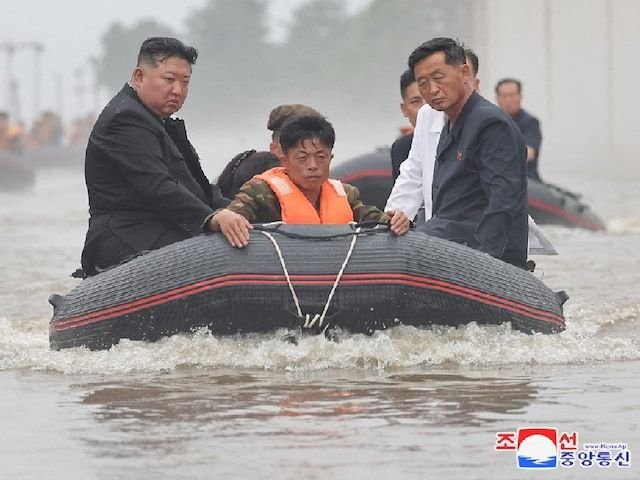
Kim Jong Un with some officials
Kim Jong Un (first left) with some officials

The Executions:  Response to Accountability

The executions, which were ordered by Kim Jong Un himself, included high-ranking officials such as provincial governors and cadres responsible for managing the affected regions. The swift nature of the punishment sent a strong message to the rest of the North Korean government. Reports suggest that many officials were also accused of corruption and dereliction of duty, further fueling the regime’s decision to carry out these extreme sentences.

A government source quoted by South Korean media revealed, “Circumstances involving the dismissed Chagang Province Party Secretary Kang Bong-hoon have been captured and are being confirmed.” This further exemplifies the fact that no one in the regime, regardless of rank, is immune to Kim’s stringent demands for loyalty and efficiency.

Flood Management Failures and Systemic Challenges

North Korea is notoriously vulnerable to natural disasters, and this summer’s floods have brought these vulnerabilities into sharp focus. Decades of deforestation, exacerbated by agricultural policies, have left the country susceptible to flooding during the rainy season. Infrastructure across the nation is also poorly maintained, with many areas lacking sufficient flood defenses, drainage systems, and disaster preparedness protocols. Despite these ongoing challenges, Kim Jong Un’s government has responded with an iron fist, punishing those held responsible rather than addressing the broader systemic issues that contribute to such disasters.

The Future of North Korean Governance: Efficiency or Fear?

Kim Jong Un’s execution of officials for mishandling natural disasters emphasizes his regime’s reliance on fear to enforce accountability. This harsh approach raises ethical concerns and questions about its effectiveness in fostering better governance, especially as North Korea continues to face significant challenges from economic instability and international isolation.

Read More: Level 200 Student Kidnaps and Kills Female Friend After Failing to Get Ransom from Family

Author

  • Daniel Ablordey

    Daniel Ablordey is a Business Analytics student at the University of Ghana Business School and an emerging strategist at the intersection of data, markets, and narrative. With a keen analytical mind and a passion for African business and economic trends, he is building a career focused on translating complex data-driven insights into accessible, decision-relevant stories that matter.

    As a writer and editor with Insight Ghana, African Business Insight, and The African Journal, Daniel delivers sharp, high-impact analysis on current affairs, business developments, and emerging trends across the continent. His work is defined by precision, clarity, and a deep commitment to responsible journalism — ensuring that every story he tells is not only accurate but meaningful to the audiences it serves.

    Beyond his editorial work, Daniel serves as an Ecobank Youth Ambassador, where he actively promotes financial inclusion, digital banking, and financial literacy among young Ghanaians. His leadership experience spans academic, professional, and faith-based institutions, where he has consistently driven initiatives centered on growth, structure, and long-term impact.

    Grounded in the principles of Pan-Africanism and service, Daniel brings a rare combination of analytical rigour and storytelling depth to his work. Whether unpacking market behavior, profiling emerging business leaders, or covering cultural shifts shaping the continent, he approaches every assignment with strategic intent and editorial integrity.

    His broader ambition is to contribute to Africa's transformation by shaping how data, business, and storytelling intersect — not just locally, but on a global stage.

Previous articleLevel 200 Student Kidnaps and Kills Female Friend After Failing to Get Ransom from Family
Next article3 dead, & others injured in gory Gomoa Mprumem accident
Daniel Amenyo Ablordey
Daniel Ablordey is a Business Analytics student at the University of Ghana Business School and an emerging strategist at the intersection of data, markets, and narrative. With a keen analytical mind and a passion for African business and economic trends, he is building a career focused on translating complex data-driven insights into accessible, decision-relevant stories that matter.

As a writer and editor with Insight Ghana, African Business Insight, and The African Journal, Daniel delivers sharp, high-impact analysis on current affairs, business developments, and emerging trends across the continent. His work is defined by precision, clarity, and a deep commitment to responsible journalism — ensuring that every story he tells is not only accurate but meaningful to the audiences it serves.

Beyond his editorial work, Daniel serves as an Ecobank Youth Ambassador, where he actively promotes financial inclusion, digital banking, and financial literacy among young Ghanaians. His leadership experience spans academic, professional, and faith-based institutions, where he has consistently driven initiatives centered on growth, structure, and long-term impact.

Grounded in the principles of Pan-Africanism and service, Daniel brings a rare combination of analytical rigour and storytelling depth to his work. Whether unpacking market behavior, profiling emerging business leaders, or covering cultural shifts shaping the continent, he approaches every assignment with strategic intent and editorial integrity.

His broader ambition is to contribute to Africa's transformation by shaping how data, business, and storytelling intersect — not just locally, but on a global stage.