Right Age For Marriage? Evolving Trends In Ghanaian  Marriages.

0
207

Marriage, once viewed as a rite of passage to be completed early in life, is experiencing a transformation across various cultures. In Ghana, broader Africa, and Western societies, shifts in marriage trends reflect changing societal norms, economic realities, and individual priorities. The age at which people marry has seen significant changes, influenced by factors such as education, financial independence, and evolving cultural attitudes.

Marriage Trends in Ghana and Africa;

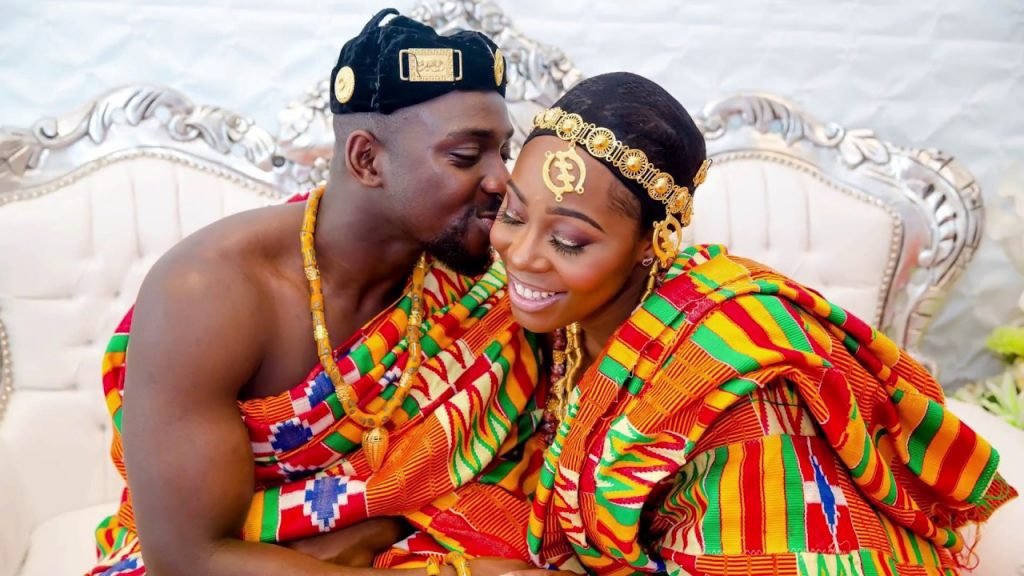
In Ghana and many African countries, traditional expectations once dictated that women marry in their late teens to early twenties. However, this is no longer the norm, particularly in urban areas. The current trend shows Ghanaian women marrying in their late twenties, around 26 to 30 years old, as they increasingly prioritize education and career development before settling down. Men, on the other hand, typically marry slightly later, often between the ages of 28 and 35, as they seek financial stability before committing to this union.

Increased educational attainment is one of the key drivers of this shift. Women are pursuing higher education and entering the workforce in greater numbers, which not only delays marriage but also changes its dynamics. Inter-ethnic unions are becoming more common, reflecting the blending of cultures in Ghana’s cosmopolitan centers. These unions, though still rooted in tradition, are increasingly influenced by modern values, with practices like the bride price being adapted to contemporary realities.

Marriage Trends in Western Cultures;

In contrast, Western cultures have seen an even more pronounced shift in marriage patterns. The average age of to marry has steadily increased, with many women now marrying between 28 and 32 years old, and men often waiting until their mid to late 30s. This trend is partly due to economic factors, such as the high cost of living, student debt, and the desire to achieve career milestones before starting a family. Additionally, cohabitation has become a popular alternative to marriage, with many couples choosing to live together without formalizing their relationship.

Marriage

Marriage rates in Western societies have also declined, reflecting changing attitudes towards the institution itself. There is a growing acceptance of diverse relationship forms, including same-sex union, which have gained legal recognition and social acceptance in many countries. This has led to a redefinition of this union, making it less about societal expectations and more about personal choice and fulfillment.

Despite these differences, there are converging themes across cultures. The importance of financial stability, emotional maturity, and mutual respect are universally acknowledged as essential to a successful marriage. However, the age at which these conditions are met varies widely, influenced by the unique cultural, economic, and social contexts of each region.

In conclusion, while this union remains a significant milestone globally, its timing and meaning are being redefined. In Ghana and Africa, the age to marry is increasing as education and economic independence take precedence. In Western cultures, marriage is often delayed or bypassed altogether in favor of alternative relationship forms. As these trends continue to evolve, they highlight a broader cultural shift towards prioritizing personal goals and individual fulfillment in the journey towards it.

Sources: pagerafrica and wedbuddy

Read More: 14 SECRETS MOST WOMEN DON’T KNOW ON HOW TO CALM YOUR HUSBAND’S MIND…

Author

  • Daniel Ablordey

    Daniel Ablordey is a Business Analytics student at the University of Ghana Business School and an emerging strategist at the intersection of data, markets, and narrative. With a keen analytical mind and a passion for African business and economic trends, he is building a career focused on translating complex data-driven insights into accessible, decision-relevant stories that matter.As a writer and editor with Insight Ghana, African Business Insight, and The African Journal, Daniel delivers sharp, high-impact analysis on current affairs, business developments, and emerging trends across the continent. His work is defined by precision, clarity, and a deep commitment to responsible journalism — ensuring that every story he tells is not only accurate but meaningful to the audiences it serves.Beyond his editorial work, Daniel serves as an Ecobank Youth Ambassador, where he actively promotes financial inclusion, digital banking, and financial literacy among young Ghanaians. His leadership experience spans academic, professional, and faith-based institutions, where he has consistently driven initiatives centered on growth, structure, and long-term impact.Grounded in the principles of Pan-Africanism and service, Daniel brings a rare combination of analytical rigour and storytelling depth to his work. Whether unpacking market behavior, profiling emerging business leaders, or covering cultural shifts shaping the continent, he approaches every assignment with strategic intent and editorial integrity.His broader ambition is to contribute to Africa's transformation by shaping how data, business, and storytelling intersect — not just locally, but on a global stage.

Previous articleCCTV Captures Four Suspects in Broad Daylight Theft of GHC20,000 Worth of Fabrics in Nima
Next articleWoman Faces Possible Jail Time After Destroying Husband’s Passport at Airport
Daniel Amenyo Ablordey
Daniel Ablordey is a Business Analytics student at the University of Ghana Business School and an emerging strategist at the intersection of data, markets, and narrative. With a keen analytical mind and a passion for African business and economic trends, he is building a career focused on translating complex data-driven insights into accessible, decision-relevant stories that matter.As a writer and editor with Insight Ghana, African Business Insight, and The African Journal, Daniel delivers sharp, high-impact analysis on current affairs, business developments, and emerging trends across the continent. His work is defined by precision, clarity, and a deep commitment to responsible journalism — ensuring that every story he tells is not only accurate but meaningful to the audiences it serves.Beyond his editorial work, Daniel serves as an Ecobank Youth Ambassador, where he actively promotes financial inclusion, digital banking, and financial literacy among young Ghanaians. His leadership experience spans academic, professional, and faith-based institutions, where he has consistently driven initiatives centered on growth, structure, and long-term impact.Grounded in the principles of Pan-Africanism and service, Daniel brings a rare combination of analytical rigour and storytelling depth to his work. Whether unpacking market behavior, profiling emerging business leaders, or covering cultural shifts shaping the continent, he approaches every assignment with strategic intent and editorial integrity.His broader ambition is to contribute to Africa's transformation by shaping how data, business, and storytelling intersect — not just locally, but on a global stage.