


West African countries are intensifying efforts to strengthen tax cooperation across the region as governments search for sustainable ways to finance development projects, reduce dependence on foreign aid, and improve domestic revenue mobilisation amid growing economic pressures.
The renewed push for closer collaboration comes at a time when many countries in the region face mounting demands for infrastructure development, healthcare improvements, education investment, climate adaptation measures, and social protection programmes. Policymakers believe stronger coordination among tax authorities could help governments collect more revenue while combating tax evasion, illicit financial flows, and profit shifting by multinational corporations.
According to reports highlighted by Business and Financial Times, tax administrators and policymakers across the region are advocating for deeper cooperation to enhance revenue generation and support long term economic growth. The initiative aligns with broader regional integration efforts being championed by the Economic Community of West African States (ECOWAS), which seeks to promote economic development and collective self reliance among member countries.

Domestic revenue mobilisation has become an increasingly important issue across Africa as governments confront declining development assistance and growing financing gaps. Experts argue that improving tax collection systems could provide countries with a more reliable source of funding for public investment while reducing vulnerability to external economic shocks.
The challenge is particularly significant in West Africa, where tax to GDP ratios in several countries remain below global averages. Large informal sectors, tax avoidance practices, weak administrative capacity, and illicit financial flows continue to limit governments’ ability to maximise revenue collection. The Organisation for Economic Co operation and Development has noted that many West African economies struggle to raise tax revenues above 20 percent of GDP, making domestic resource mobilisation a critical policy priority.
Regional institutions have already begun implementing measures designed to address these challenges. Through various programmes involving ECOWAS, the West African Economic and Monetary Union and international development partners, governments have worked to strengthen legal frameworks, harmonise tax regulations and improve information sharing among tax authorities.
One major area of focus involves tackling cross border tax avoidance and illicit financial flows. Authorities believe stronger cooperation will make it easier to track financial transactions, identify tax evasion schemes and ensure that companies operating across multiple jurisdictions pay their fair share of taxes.

Recent efforts have included the adoption of regional directives on transfer pricing, beneficial ownership transparency and mutual administrative assistance in tax matters. These measures are intended to improve tax transparency and strengthen the ability of governments to recover revenues lost through aggressive tax planning and hidden ownership structures.
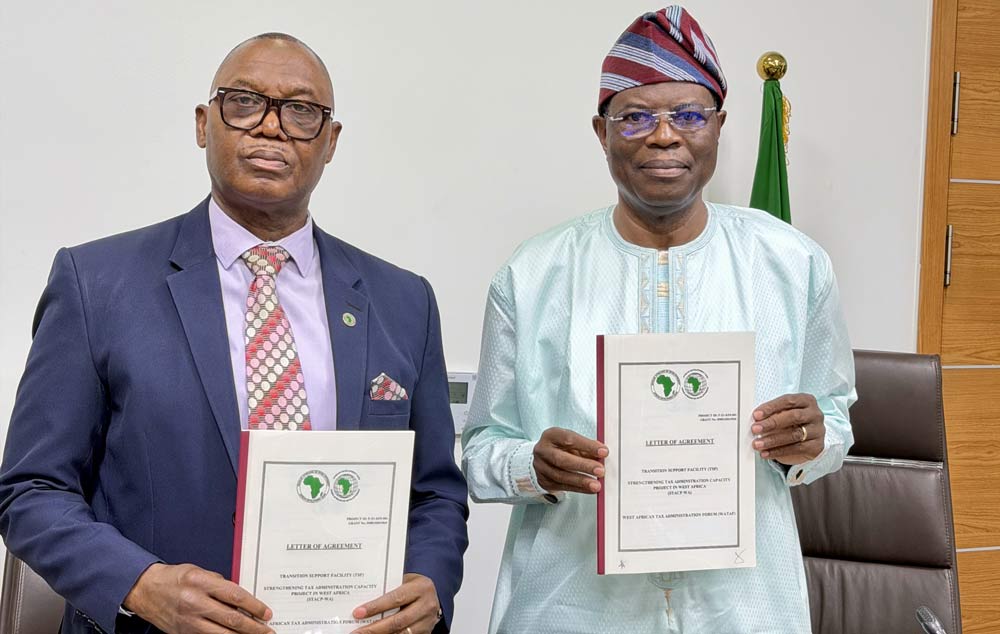
The importance of improved tax cooperation has also been recognised by development finance institutions. In March 2026, the African Development Bank approved a grant of approximately $5.52 million for the West African Tax Administration Forum to strengthen domestic revenue mobilisation across the region. The funding aims to enhance the capacity of tax administrations and improve cooperation among member countries.
Supporters of the initiative argue that better tax systems could help governments fund essential public services without relying excessively on borrowing. Rising debt levels have become a concern in several African countries, making efficient tax collection increasingly important for fiscal sustainability.
The initiative is also expected to support implementation of the African Continental Free Trade Area by creating more harmonised tax systems that facilitate cross border trade and investment. Improved coordination could reduce administrative burdens for businesses while increasing transparency and predictability within the regional business environment.
Analysts note that stronger tax cooperation could become a major driver of regional economic integration. By sharing expertise, modernising tax administration and adopting common standards, West African countries may be better positioned to attract investment while ensuring that economic growth generates adequate public revenue.
The effort also reflects a broader shift in development thinking across Africa. Rather than relying primarily on external financing, many governments are increasingly focusing on domestic resource mobilisation as a foundation for sustainable development and economic independence.
As West Africa continues to pursue deeper economic integration under the ECOWAS framework, tax cooperation is emerging as a key pillar of regional development strategy. Policymakers hope that stronger collaboration among tax authorities will help unlock additional revenue, strengthen public finances and create the resources needed to invest in infrastructure, education, healthcare and other critical sectors.
For many governments across the region, the objective is clear: build stronger tax systems that can finance development from within while creating a more transparent, accountable and sustainable economic future for West Africa.
How salary workers pay less taxes