

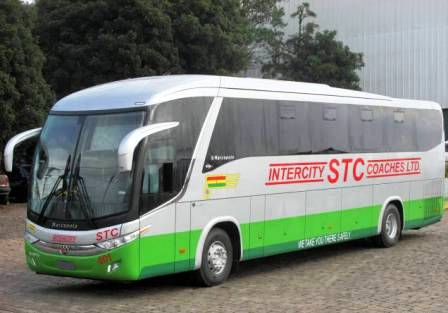
Recent claims of a transport fare increase by Intercity STC Coaches Limited have been firmly denied by the company, with management urging the public to ignore circulating rumours and rely only on official communication channels.
According to a statement issued by the company’s management and signed by its Managing Director, there has been no adjustment in fares as of April 2026, despite widespread speculation suggesting otherwise. The company clarified that any decision to revise transport fares would strictly follow regulatory approval from the Ministry of Transport and relevant authorities.
The denial comes at a time when Ghana’s transport sector is under pressure from broader economic factors, particularly fluctuations in fuel prices and operational costs. In recent days, some private transport operators have announced fare adjustments, which likely triggered confusion among passengers and led to the spread of misinformation about STC.
STC’s position is straightforward: fares remain unchanged, and any contrary information should be treated as false. Management emphasized that it remains committed to transparency and customer trust, stressing that official announcements will always precede any changes in pricing.
This situation highlights a recurring issue in Ghana’s transport ecosystem—information gaps and rumor-driven panic. When one major operator increases fares, the public often assumes a sector-wide adjustment. That assumption spreads quickly, especially across social media platforms, creating unnecessary anxiety for commuters.

But here’s the real takeaway: STC operates differently from many private transport providers. As a state-owned entity, its pricing structure is more regulated and less reactive to short-term market shocks. That means even when fuel prices rise or competitors adjust fares, STC may delay or avoid immediate increases, prioritizing stability over rapid response.
From an economic standpoint, this matters. Transport costs directly affect inflation, food prices, and household spending. If a major operator like STC were to increase fares, the ripple effects would be felt across supply chains and daily commuting expenses. So, a confirmed “no increase” decision—at least for now—helps stabilize expectations in the market.
However, let’s be real—this stability may not last forever. Ghana is currently navigating global energy price volatility, partly influenced by geopolitical tensions and supply disruptions. If fuel prices continue to rise, pressure will inevitably build on transport operators, including STC, to review fares.
There’s also a deeper structural issue here. Ghana’s transport sector still lacks a unified, transparent fare adjustment mechanism that is easily understood by the public. While bodies like the Ghana Private Road Transport Union sometimes coordinate changes, the absence of a clear, real-time communication system creates space for misinformation to thrive.

So while STC has shut down the rumours for now, the bigger question is this: how long can fares realistically remain unchanged in a high-cost environment?
For commuters, the immediate message is simple—no fare increase from STC. But for policymakers and industry players, this moment exposes a need for better communication, clearer pricing frameworks, and more predictable transport economics.
Because if rumours alone can shake public confidence this quickly, imagine what actual price hikes will do.