

A controversial new proposal by Reform UK has pushed the already tense debate around immigration and historical accountability into sharper territory, with the party declaring it would block visas for nationals of countries demanding slavery reparations from the United Kingdom.
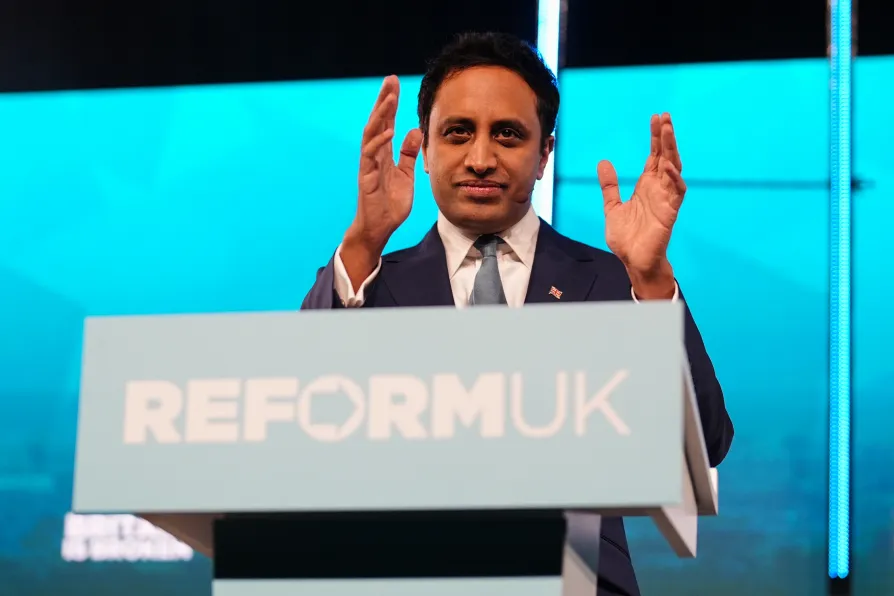
The policy, championed by the party’s leadership including Nigel Farage and immigration spokesperson Zia Yusuf, represents one of the most aggressive responses yet to growing international calls for compensation tied to the transatlantic slave trade. Under the proposal, citizens from countries pursuing reparations claims could be denied access to the UK for work, study, tourism, or family reunification if Reform were to gain power.
The stance comes amid renewed global momentum around reparations. A recent United Nations-backed resolution, supported by blocs such as the African Union and CARICOM, described the transatlantic slave trade as the “gravest crime against humanity” and called for concrete reparative measures. This has intensified pressure on former colonial powers, including the UK, to engage more directly with the issue.

Reform UK, however, has taken a confrontational approach. Party officials argue that demands for reparations are unjustified and dismiss them as historically misplaced, pointing to Britain’s role in abolishing slavery in the 19th century. Yusuf has described such claims as “insulting” and suggested the UK has already extended significant support to many of the countries now pushing for compensation, including millions of visas issued and billions in foreign aid over recent decades.
The proposed policy would reportedly target a range of countries across Africa and the Caribbean, including nations like Ghana, Nigeria, Jamaica, and Barbados, many of which have been at the forefront of reparations advocacy. The move signals a shift from simply rejecting reparations to actively penalising countries that continue to pursue them.
Critics have been quick to challenge the proposal, arguing that it risks undermining diplomatic relations and could inflame tensions between the UK and parts of the Global South. Opposition voices within British politics have dismissed the policy as politically opportunistic, with some labeling it a distraction rather than a serious immigration solution.
Beyond politics, the proposal raises deeper questions about the intersection of immigration policy and historical justice. Reparations debates are not limited to financial compensation. Advocates often frame them as encompassing broader measures such as debt relief, development support, and institutional reform aimed at addressing long-term inequalities rooted in colonialism and slavery.
By linking visa access to reparations demands, Reform UK effectively reframes the issue as one of national sovereignty and economic protection rather than moral or historical responsibility. This approach aligns with the party’s broader platform, which emphasises strict immigration controls, reduced foreign aid, and a more inward-looking policy framework.

However, the practical implications of such a policy remain uncertain. The UK maintains extensive economic, educational, and diplomatic ties with many of the countries that could be affected. Restricting visas could disrupt trade relationships, limit student mobility, and strain cooperation across sectors such as security, health, and development.
There is also the question of enforceability. Determining which countries are “demanding reparations” and how actively they are pursuing such claims could prove complex, particularly given that many of these discussions occur within multilateral forums rather than through direct bilateral demands.
More broadly, the proposal highlights a growing divergence in how nations are approaching the legacy of slavery and colonialism. While some governments and institutions have begun acknowledging historical injustices through apologies and targeted initiatives, others are pushing back against what they see as open-ended financial or moral obligations.
For now, Reform UK’s proposal remains a political position rather than government policy. But its emergence reflects a wider shift in political discourse, where issues of history, identity, and migration are increasingly intertwined and contested.

As debates over reparations continue to gain traction globally, the UK finds itself at a crossroads, balancing historical accountability with contemporary political pressures. Reform UK’s hardline stance suggests that, at least for some political actors, the priority is not reconciliation but resistance.