

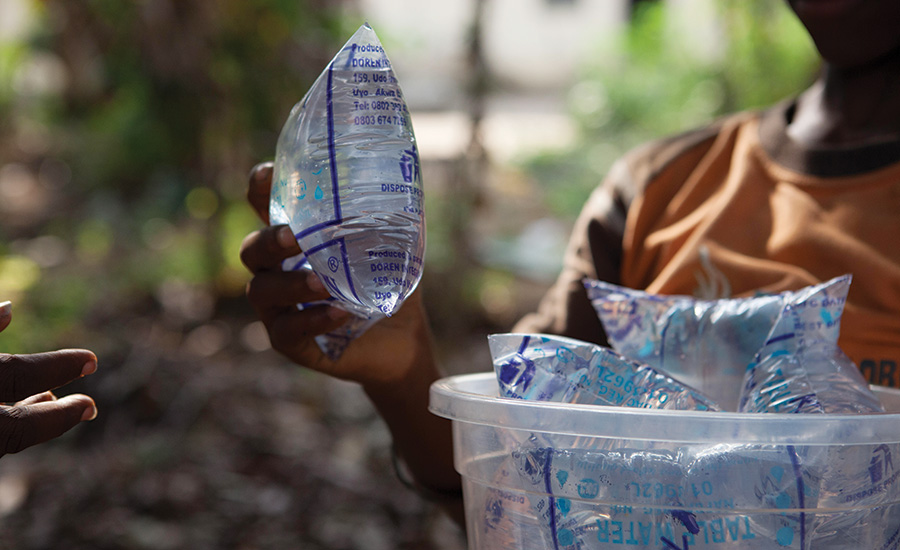
Consumers across Ghana are set to face another increase in the price of sachet water starting April 6, as producers move to adjust prices in response to mounting production and distribution costs. The decision, driven by industry pressures, is expected to impact millions of households that rely on sachet water as a primary source of drinking water.
The price adjustment follows sustained concerns raised by producers over the rising cost of raw materials, energy, transportation, and packaging. Sachet water, often referred to as “pure water,” remains one of the most widely consumed commodities in Ghana due to its affordability and accessibility, particularly in urban and peri urban communities where access to piped water can be inconsistent.
Industry players have argued that maintaining previous price levels has become increasingly unsustainable. Over the past year, producers have faced significant increases in the cost of plastic packaging materials, which are largely imported and therefore affected by exchange rate fluctuations. The depreciation of the Ghanaian cedi has further compounded the issue, pushing up the cost of importing essential inputs required for production.

In addition to raw materials, energy costs have become a major burden. Water production facilities rely heavily on electricity to operate purification systems, pumps, and packaging equipment. Frequent tariff adjustments and unreliable power supply have forced some producers to resort to generators, increasing operational expenses. Transportation costs have also surged due to rising fuel prices, affecting the distribution chain from factories to retailers across the country.
Producers say the cumulative effect of these cost pressures has left them with little choice but to increase prices in order to stay in business. Many small and medium sized sachet water companies, which dominate the industry, operate on thin margins and are particularly vulnerable to economic shocks. Without price adjustments, some operators warn they could be forced to shut down, leading to job losses and supply disruptions.
For consumers, however, the increase adds to an already growing cost of living burden. Ghana has experienced periods of high inflation in recent years, affecting food, transport, and utility prices. Sachet water, once considered one of the most stable and affordable daily essentials, is now becoming more expensive, raising concerns about affordability for low income households.
Retailers are also bracing for the impact. Shop owners and street vendors who depend on sachet water sales for daily income may face reduced demand if prices rise beyond what consumers are willing or able to pay. Some may be forced to adjust their margins or explore alternative products to sustain their businesses.
Public health experts have warned that rising prices could have unintended consequences. If sachet water becomes less affordable, some consumers may turn to less safe water sources, increasing the risk of waterborne diseases. This highlights the critical role sachet water plays not just as a commodity, but as an essential public health resource in many communities.
The price increase also raises broader questions about the sustainability of Ghana’s water supply systems. While sachet water has filled a crucial gap in access to clean drinking water, it is often seen as a stopgap solution rather than a long term fix. Policymakers have been urged to invest more in public water infrastructure to reduce reliance on packaged water and ensure equitable access for all citizens.

Environmental concerns are another factor in the conversation. The widespread use of plastic sachets has contributed to waste management challenges across Ghana. While efforts have been made to improve recycling and reduce plastic pollution, increased production driven by high demand continues to strain existing systems.
Despite these challenges, industry stakeholders maintain that the price adjustment is necessary to sustain operations and ensure continued supply. They argue that without periodic reviews, the sector could face instability that would ultimately harm both producers and consumers.
As the April 6 implementation date approaches, attention will be on how the market responds. Consumers may need to adjust spending habits, while policymakers and regulators could face renewed pressure to address the underlying economic and infrastructural issues driving price increases.
The situation reflects a broader reality in Ghana’s economy, where global market dynamics, currency fluctuations, and domestic cost pressures continue to shape everyday life. For now, sachet water remains essential, but its affordability is increasingly under strain.