

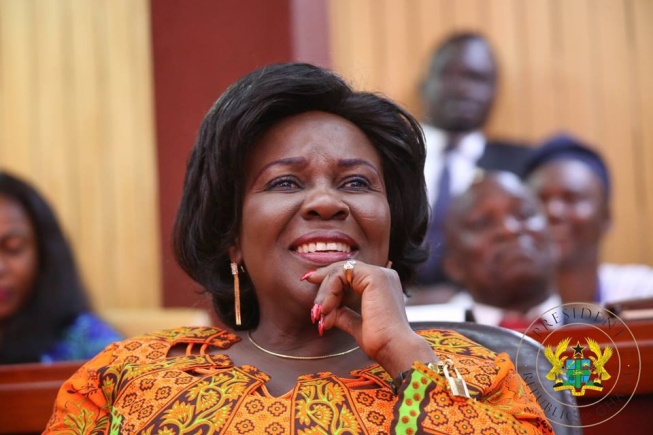
A fresh corruption-related controversy is gaining traction in Ghana following reports that former public officials, including Cecilia Abena Dapaah and Bernard Okoe Boye, have been summoned over an alleged GH¢28 million payment tied to non-existent projects. The development, which has surfaced through investigative discussions and media reports, is now drawing public attention to procurement practices and accountability within government institutions.
At the heart of the issue are claims that substantial public funds were disbursed for projects that were either never executed or cannot be verified on the ground. While full official documentation on the GH¢28 million transaction is still emerging, the allegations suggest a pattern of irregular payments that could point to systemic weaknesses in project monitoring, contract verification and financial oversight.
This situation is particularly sensitive given the prior scrutiny surrounding Cecilia Dapaah. Her name became widely known in 2023 following a high-profile investigation by the Office of the Special Prosecutor into large sums of money found in her possession after a theft incident at her residence. That investigation did not establish direct evidence of corruption but uncovered “strong indications of suspected money laundering and structuring,” which were referred to another agency for further action.

The current development, however, appears to be a separate matter, focused not on personal finances but on alleged public expenditure tied to questionable projects. This distinction is critical because it shifts the conversation from individual wealth scrutiny to the broader issue of how state funds are allocated and managed.
For Bernard Okoe Boye, who previously served in government roles including deputy ministerial positions, the allegations also raise questions about administrative responsibility and oversight. Public officials involved in project approvals or fund disbursement processes are expected to ensure that due diligence is conducted before payments are made. If funds were indeed released for non-existent projects, it would represent a serious breach of public trust and financial governance standards.
What makes this case particularly significant is the timing. Ghana is currently navigating a period of economic recovery, with strong emphasis on fiscal discipline, transparency and efficient use of public resources. Allegations of this nature risk undermining public confidence in government institutions, especially at a time when citizens are closely monitoring how public funds are spent.
Beyond the individuals involved, the situation exposes deeper structural issues. One of the recurring challenges in Ghana’s public financial management system has been weak project tracking and verification mechanisms. In some cases, contracts are awarded and funds disbursed without adequate on-site validation or independent auditing, creating opportunities for ghost projects or inflated claims.
Experts argue that addressing these gaps requires more than just investigations after the fact. It demands systemic reforms, including stronger procurement controls, real-time project monitoring, and greater transparency in public spending. Digital tracking systems, independent verification bodies and stricter enforcement of procurement laws are often cited as key solutions to prevent such occurrences.
At the same time, it is important to approach the current allegations with caution. Being summoned or investigated does not automatically imply guilt. Due process remains essential, and authorities will need to establish clear evidence linking any individuals to wrongdoing before conclusions can be drawn.

Public reaction to the reports has been intense, reflecting growing frustration over corruption-related issues and the perceived misuse of taxpayer funds. Many Ghanaians are demanding swift investigations and, where necessary, prosecutions to ensure accountability. There is also increasing pressure on oversight institutions to act decisively and transparently.
If proven, the alleged GH¢28 million payment for non-existent projects could become one of the more significant governance scandals in recent months, reinforcing calls for stricter financial discipline and institutional reforms. On the other hand, if investigations find no wrongdoing, it would highlight the risks of misinformation and the importance of verifying claims before they gain widespread traction.
What is clear is that the case has once again placed Ghana’s anti-corruption framework under the spotlight. The outcome will not only affect the reputations of those involved but also shape public perception of accountability and governance in the country.
As investigations unfold, the focus will remain on whether the institutions responsible can deliver clarity, uphold justice and restore confidence in the management of public resources.
Ghana Temporarily Shuts Down Washington DC Embassy Over Corruption Scandal