

The artificial intelligence race is entering a more turbulent phase, as two of the world’s biggest tech players face setbacks that signal a broader shift in how AI is colliding with legal systems, public resistance and real-world constraints.
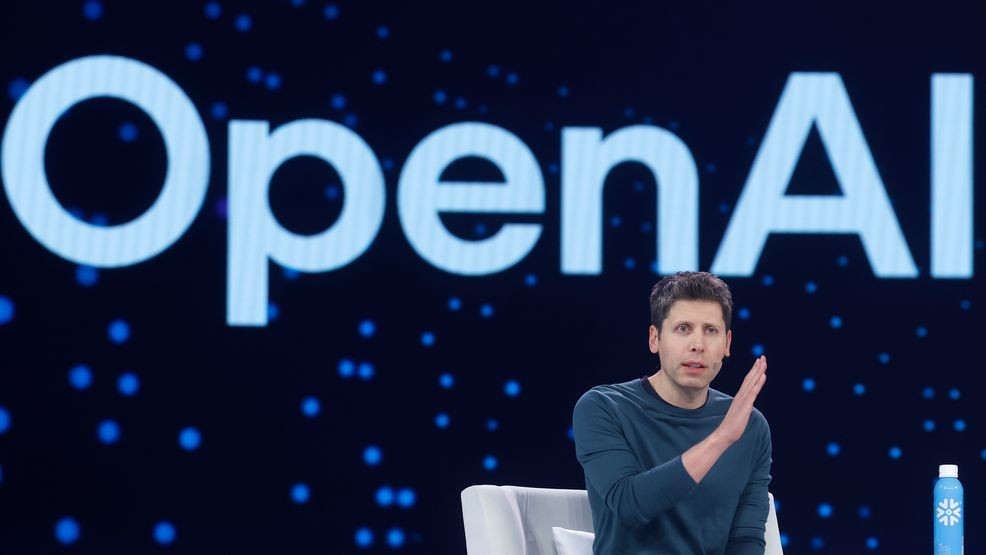
OpenAI’s decision to shut down its high-profile video-generation platform Sora has stunned the tech and creative industries, marking a rare retreat for a company that has been at the forefront of generative AI innovation. The tool, which allowed users to create realistic videos from text prompts, had quickly gained popularity but also attracted intense scrutiny over copyright violations, deepfake risks and ethical concerns.
Despite early success and even a billion-dollar partnership with Disney, the platform struggled under the weight of controversy and high operational costs. OpenAI has now confirmed it is pivoting away from consumer-facing video tools toward more advanced AI systems, including robotics and agent-based technologies designed for real-world applications.

That shift reflects a deeper truth about the AI industry right now. Building flashy tools is one thing, but scaling them responsibly and profitably is another. Video generation, in particular, requires enormous computing power, making it expensive to maintain at scale. At the same time, legal risks around intellectual property and misuse have made the space increasingly difficult to navigate.
While OpenAI steps back from one frontier, Meta is dealing with a different kind of pressure, one that is arguably more dangerous long term. The company has been hit by a landmark court ruling tied to the addictive nature of its platforms, raising fears among investors that social media could face regulation similar to what the tobacco industry experienced decades ago.
Together, these developments are exposing a new reality. The AI boom is no longer operating in a vacuum. Governments, courts, communities and even individuals are starting to push back.
One striking example comes from the United States, where an 82-year-old woman in Kentucky reportedly rejected a $26 million offer from an AI company seeking to build a data centre on her land. The company is now attempting to rezone thousands of acres nearby anyway, highlighting a growing tension between the rapid expansion of AI infrastructure and local resistance.
This is where the conversation shifts from digital to physical. AI is no longer just software. It requires massive data centres, energy resources and land. Communities are beginning to question what they are giving up in exchange for technological progress, from environmental impact to land use and long-term economic value.
At the same time, courts are becoming more willing to test the boundaries of AI accountability. The Meta case signals a willingness to hold tech companies responsible not just for what users do, but for how platforms are designed. That is a major shift. If replicated globally, it could fundamentally reshape how AI-driven platforms operate.

There is also a growing pattern emerging across the industry. Innovation is moving fast, but guardrails are catching up just as quickly. Companies are being forced to rethink strategy, not because they lack technology, but because they are running into legal, ethical and societal limits.
For OpenAI, shutting down Sora may actually be a strategic reset rather than a failure. By reallocating resources to more scalable and defensible areas like enterprise AI and robotics, the company is betting on long-term dominance rather than short-term hype.
For Meta, the challenge is more existential. If courts continue to validate claims around addiction and harm, the company may face structural changes that impact its core business model.
Zoom out, and the message is clear. The AI era is entering phase two. It is no longer just about what can be built, but what will be allowed, regulated and accepted.
The companies that survive this phase will not just be the most innovative. They will be the ones that can navigate law, public perception and real-world constraints at the same speed they build technology.
OpenAI partners with Reliance to integrate AI search into JioHotstar