

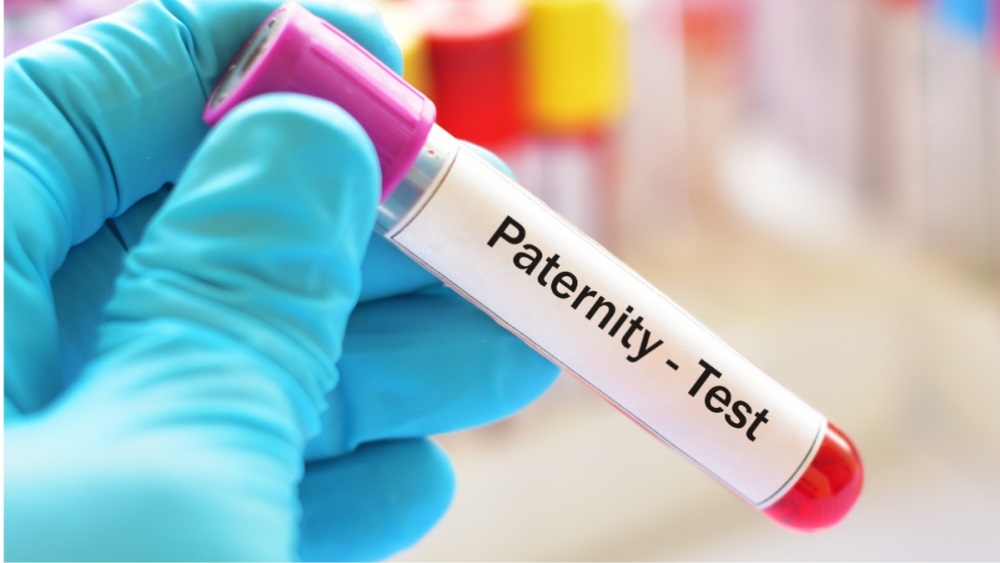
A new report circulating in Ghana has sparked intense public debate after suggesting that about 40 percent of DNA paternity tests conducted in 2025 showed that the tested men were not the biological fathers of the children involved.
According to findings attributed to a national paternity testing report, roughly four out of every ten men who underwent DNA testing last year were excluded as biological fathers, highlighting growing concerns about paternity certainty and family trust in the country.
At face value, the statistic is shocking. But here is where most people get it wrong. This does not mean 40 percent of all fathers in Ghana are raising children who are not biologically theirs. That interpretation is inaccurate and misleading.
The key detail is that DNA tests are typically not random. They are usually carried out in situations where there is already suspicion, dispute, or uncertainty about paternity. That means the sample group is biased from the start. In simple terms, people only go for testing when something feels off. So naturally, the rate of negative results will be much higher than in the general population.

This aligns with global research on paternity testing. Studies show that when testing is done among men who already respect paternity, non-paternity rates can range between about 17 percent and over 30 percent, significantly higher than in the wider population.
In Ghana’s case, the reported 40 percent figure reflects this same pattern, possibly amplified by increasing awareness and accessibility of DNA testing services.
The report also suggests that timing plays a role. Tests conducted later in a child’s life tend to show higher exclusion rates, sometimes exceeding 50 percent. This could be because long-standing doubts eventually push individuals to seek confirmation after years of uncertainty.
Another key insight is that the majority of these tests are not for legal battles. Around 87 percent are done for personal reasons, meaning individuals are seeking clarity privately rather than through court processes. This reflects a growing cultural shift where people are becoming more willing to verify biological relationships early, especially among younger men.
There is also a broader social angle. The rise in DNA testing is being driven by factors like increased urbanisation, changing relationship dynamics, and exposure to global conversations around paternity fraud and accountability. Social media has played a major role in amplifying these discussions, often turning individual cases into viral narratives that influence public perception.
But again, context is everything. Without understanding how the data is collected, the 40 percent figure can easily be weaponised to create fear, distrust, or gender-based conflict. It is a statistic about a specific group, not the entire population.
From a policy and societal standpoint, the trend raises deeper questions. It touches on issues of trust in relationships, legal frameworks around paternity, and the emotional and financial implications for families. It also highlights the need for responsible communication when presenting sensitive data to the public.
DNA testing itself remains one of the most accurate scientific methods for establishing biological relationships, with results typically showing near certainty when a match exists. That reliability is exactly why more people are turning to it.
The real takeaway is not panic, but awareness. The increase in testing suggests that more people are choosing clarity over assumption. But the numbers should be interpreted carefully, or they risk distorting reality.
Bottom line, the headline is dramatic, but the truth is more nuanced. The statistic reflects suspicion-driven testing, not a national reality of fatherhood in Ghana.

DNA Results of Military Helicopter Crash Victims Received from South Africa