

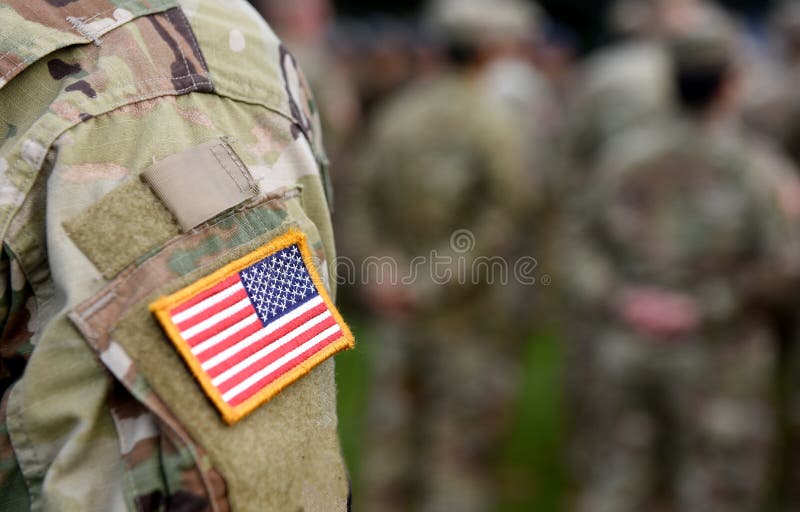
The United States Army has increased its maximum enlistment age to 42, marking a significant policy adjustment aimed at addressing ongoing recruitment challenges and expanding the pool of eligible applicants.
The decision reflects a broader trend within the U.S. military, where officials have been grappling with declining enlistment numbers in recent years. By raising the age limit from 35 to 42, the Army is opening its doors to older, potentially more experienced individuals who may bring valuable skills, discipline, and life experience into military service.
Recruitment shortfalls have been a persistent issue for the Army, particularly since the COVID-19 pandemic disrupted traditional outreach and slowed enlistment pipelines. In 2023, the Army fell short of its recruitment targets by tens of thousands of soldiers, prompting leadership to reconsider eligibility requirements, marketing strategies, and incentives.

Officials believe that increasing the age cap could help tap into a segment of the population that remains physically capable but was previously excluded due to age restrictions. Many individuals in their late 30s and early 40s possess professional experience in fields such as logistics, healthcare, engineering, and information technology, which are increasingly relevant in modern military operations.
The move also aligns with the evolving nature of warfare, where technical expertise and cognitive skills are becoming just as critical as physical strength. As military operations integrate more advanced technologies, including artificial intelligence, cyber capabilities, and autonomous systems, the Army is seeking recruits who can adapt quickly and contribute in specialized roles.
According to military analysts, the change is not just about numbers but also about quality. Older recruits are often seen as more mature, disciplined, and mission-focused, traits that can enhance unit cohesion and operational effectiveness. However, the Army will still maintain strict physical and medical standards to ensure that all recruits meet the demands of service.
The policy shift comes amid increased global tensions and a changing security landscape. The United States has been closely monitoring conflicts in regions such as Eastern Europe and the Middle East, which have underscored the importance of maintaining a ready and capable force. Expanding recruitment criteria is one way the Army is preparing for potential long-term strategic challenges.
In addition to raising the enlistment age, the Army has introduced other measures to boost recruitment, including financial incentives, educational benefits, and targeted outreach campaigns. Programs offering signing bonuses, student loan repayment, and career training opportunities have been expanded to attract a wider range of candidates.
Critics, however, argue that simply raising the age limit may not fully resolve the underlying issues affecting recruitment. Factors such as public perception of military service, competition from the private sector, and concerns about quality of life for service members continue to influence enlistment decisions. Some experts suggest that deeper structural changes may be needed to make military careers more appealing to younger generations.

Supporters of the policy, on the other hand, see it as a practical and necessary step. They argue that the modern workforce is changing, with people remaining active and productive later in life. Allowing older individuals to serve not only addresses manpower shortages but also reflects broader societal shifts in health, longevity, and career flexibility.
The Army’s decision also mirrors similar adjustments in other branches and countries, where age limits and eligibility criteria have been revisited to meet evolving defense needs. As global competition intensifies and technological advancements reshape military strategy, flexibility in recruitment is becoming increasingly important.
Ultimately, the increase in the enlistment age to 42 represents a strategic recalibration rather than a temporary fix. It signals the Army’s willingness to adapt to changing realities while maintaining its core mission of national defense.
As the policy takes effect, its success will likely depend on how well the Army integrates older recruits into its ranks and whether it can balance the benefits of experience with the physical demands of military service. For now, the move stands as a clear indication that the Army is rethinking traditional boundaries in its effort to build a stronger, more resilient force.
U.S. Army Trains Ghana Armed Forces on Puma M36 Armoured Vehicles