

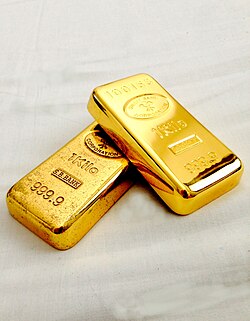
Global financial markets experienced a significant shift as gold prices surged by more than 2%, driven largely by a sharp decline in oil prices and renewed optimism surrounding potential diplomatic talks between the United States and Iran. The rally highlights how closely commodities are tied to geopolitical developments, inflation expectations, and investor sentiment in an increasingly volatile global economy.
Gold, widely regarded as a safe-haven asset, rebounded strongly after hitting recent lows, with spot prices climbing toward the $4,500–$4,600 per ounce range. The surge reflects renewed investor confidence as easing energy prices helped calm fears of prolonged inflation and aggressive monetary tightening.
Oil price decline drives market sentiment
The primary catalyst behind gold’s sharp rise has been the sudden drop in global oil prices. Crude oil fell by more than 3–5% following remarks by U.S. President Donald Trump suggesting progress in negotiations with Iran.
The decline in oil prices comes amid expectations that tensions in the Middle East could ease if diplomatic efforts succeed. Reports indicate that the U.S. has proposed a framework for peace, including measures tied to Iran’s nuclear program and the reopening of the Strait of Hormuz, a critical global oil transit route.

Lower oil prices are significant because energy costs are a major driver of global inflation. When oil prices fall, inflationary pressures tend to ease, reducing the likelihood of central banks maintaining high interest rates.
Inflation expectations and gold demand
Gold’s rally is closely linked to shifting inflation expectations. As oil prices declined, investors began scaling back expectations for further interest rate hikes, particularly in the United States.
Lower interest rate expectations typically benefit gold because it is a non-yielding asset. When interest rates are high, investors tend to favor interest-bearing instruments such as bonds. However, when rates are expected to stabilize or fall, gold becomes more attractive as a store of value.
Additionally, a slight weakening of the U.S. dollar has further supported gold prices. Since gold is priced in dollars, a weaker dollar makes the metal cheaper for international buyers, boosting demand.
Trump–Iran talks boost market optimism
The geopolitical backdrop remains central to current market movements. President Trump recently indicated that the United States is engaged in “productive conversations” with Iran and even announced a temporary pause in military strikes to facilitate dialogue.
Although Iranian officials have disputed the existence of formal negotiations, the mere prospect of diplomatic engagement has been enough to influence global markets. Investors are increasingly hopeful that a de-escalation could stabilize energy supplies and reduce geopolitical risk premiums.
Trump also suggested that Iran had made a significant concession related to oil and gas, further fueling optimism about a potential breakthrough.
Broader market impact
The ripple effects of these developments extend beyond gold and oil. Global equity markets have responded positively, with major indices rising as energy prices declined and risk appetite improved.

At the same time, other precious metals have also recorded gains. Silver, platinum, and palladium all moved higher alongside gold, reflecting broader investor interest in commodities as hedges against uncertainty.
However, analysts caution that the situation remains highly fluid. Any breakdown in negotiations or escalation in conflict could quickly reverse current trends, pushing oil prices higher and triggering renewed inflation concerns.
Volatility remains a key risk
Despite the recent rally, gold markets remain volatile. The metal had previously declined sharply following the outbreak of conflict in the Middle East, partly due to profit-taking and shifting monetary expectations.
Experts warn that gold’s trajectory will continue to depend on a combination of factors, including:
- The progress of U.S.–Iran negotiations
- Movements in oil prices
- Central bank policy decisions
- Currency fluctuations, particularly the strength of the U.S. dollar
The interplay of these factors means that gold could experience further swings in the coming weeks.
Global economic implications
The current market dynamics underscore the interconnected nature of global economics. The ongoing Iran conflict has already disrupted energy markets, with attacks on key oil and gas infrastructure earlier in March contributing to price spikes and supply concerns.
Now, the possibility of peace talks is reversing some of those pressures, at least temporarily. Lower oil prices could provide relief to economies struggling with inflation, particularly in energy-importing nations.
At the same time, the situation highlights how quickly geopolitical developments can reshape financial markets, influencing everything from commodity prices to monetary policy expectations.
Gold’s surge of more than 2% reflects a broader shift in market sentiment driven by falling oil prices and cautious optimism surrounding U.S.–Iran negotiations. As inflation fears ease and interest rate expectations adjust, investors are once again turning to gold as a reliable hedge.
However, the outlook remains uncertain. While diplomatic progress could sustain the current rally, any escalation in geopolitical tensions could quickly alter the trajectory of both gold and oil markets.
For now, global investors remain focused on one key question: whether the fragile momentum toward peace will hold or give way to renewed instability in one of the world’s most critical energy regions.