

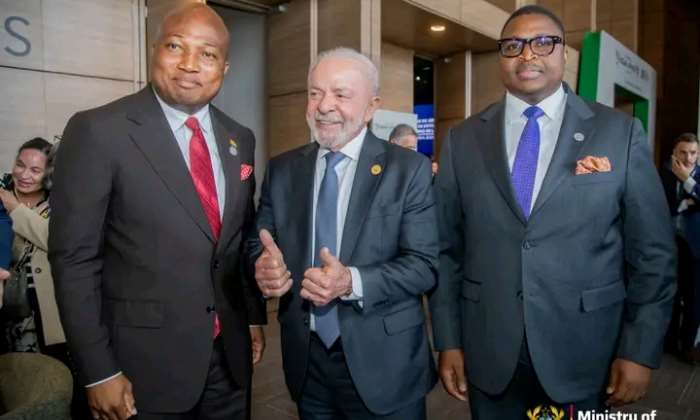
Brazil has aligned with Ghana in a renewed diplomatic push to have the transatlantic slave trade formally recognised by the United Nations as a serious crime against humanity, marking a significant step in ongoing global efforts to address historical injustices and their lasting consequences.
The joint initiative reflects growing momentum among African and diaspora nations to secure stronger international acknowledgment of the transatlantic slave trade’s enduring impact on millions of people of African descent. While the United Nations has previously recognised slavery and the slave trade as crimes against humanity, Ghana and Brazil are advocating for a more explicit and reinforced designation that underscores the scale, brutality, and long term socio economic consequences of the centuries long system.
The transatlantic slave trade, which spanned from the 15th to the 19th century, forcibly displaced more than 12 million Africans, many of whom were transported to the Americas under inhumane conditions. Brazil, as the largest destination of enslaved Africans in the Americas, has a deeply rooted historical connection to this legacy. Historians estimate that nearly half of all enslaved Africans transported across the Atlantic were taken to Brazil, making the country central to any global conversation about reparations, remembrance, and justice.
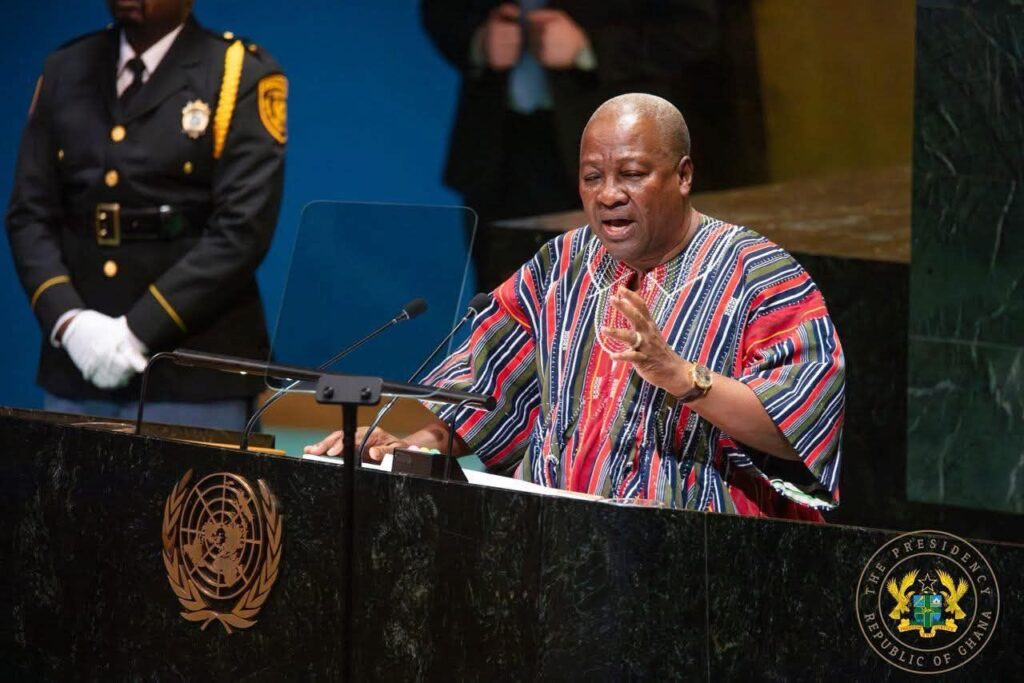
Ghana, on the other hand, served as a major departure point during the slave trade era, with several coastal forts and castles used to detain and ship enslaved Africans. Today, sites such as Cape Coast Castle and Elmina Castle stand as powerful reminders of the period, drawing global attention to the need for historical accountability and reconciliation.
The collaboration between Ghana and Brazil is not merely symbolic but part of a broader diplomatic strategy aimed at influencing discussions within key United Nations bodies, including the General Assembly and the Human Rights Council. Officials from both countries are expected to engage in negotiations with other member states to build consensus around the proposal, which could lead to a formal resolution.
Supporters of the initiative argue that a stronger classification of the transatlantic slave trade as a serious crime against humanity would reinforce ongoing global conversations around reparatory justice, systemic inequality, and racial discrimination. It could also provide a framework for more concrete actions, including educational initiatives, cultural preservation, and potential reparations mechanisms.
Brazil’s involvement adds significant weight to the effort, given its demographic composition and historical ties to slavery. The country has one of the largest populations of African descendants outside Africa, and issues of racial inequality continue to shape its social and economic landscape. By joining forces with Ghana, Brazil is positioning itself as a key voice in advocating for historical recognition and justice at the international level.
The move also aligns with broader initiatives across Africa and the diaspora aimed at reclaiming historical narratives and promoting Pan African solidarity. In recent years, Ghana has taken a leading role in this space through initiatives such as the Year of Return and Beyond the Return, which seek to reconnect the African diaspora with the continent while fostering dialogue on historical injustices.
At the United Nations, discussions around slavery and its legacy have gained renewed attention, particularly in the context of global movements against racism and inequality. However, achieving consensus among member states remains a complex process, as such resolutions often intersect with sensitive political, legal, and financial considerations.
Critics of reparations and related measures have historically argued about the challenges of assigning responsibility and determining appropriate forms of compensation. Others contend that formal recognition alone is insufficient without tangible actions to address the structural inequalities that persist as a result of slavery and colonialism.
Nevertheless, advocates maintain that acknowledgment is a critical first step toward meaningful change. By pushing for a stronger designation, Ghana and Brazil aim to elevate the issue within international discourse and encourage a more unified global response.
The initiative also highlights the evolving role of African nations in shaping global policy conversations. As countries like Ghana assert greater influence on the international stage, they are increasingly driving discussions on issues that directly affect their historical and contemporary realities.
If successful, the proposal could mark a significant milestone in the global effort to confront the legacy of the transatlantic slave trade. It would not only reaffirm the historical truth of one of humanity’s darkest chapters but also strengthen the foundation for future actions aimed at justice, reconciliation, and sustainable development.
As diplomatic engagements continue, the partnership between Brazil and Ghana underscores a shared commitment to ensuring that the legacy of the slave trade is neither forgotten nor diminished, but recognised with the gravity it demands on the world stage.
Ghana to submit UN resolution on slavery reparations; eyes broad support