

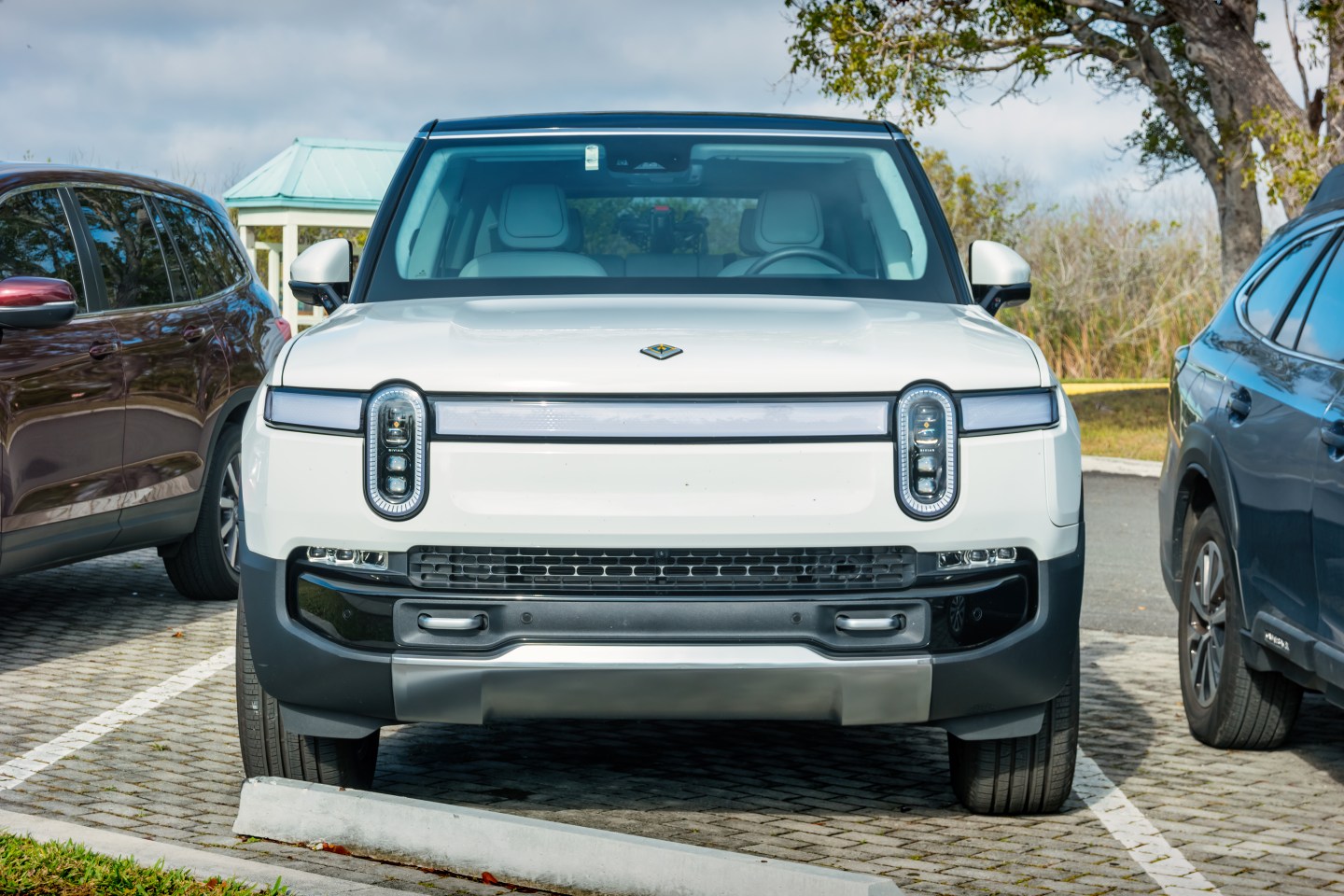
Uber Technologies is making a strategic and costly wager on the future of autonomous vehicles by committing to operate its own robotaxi fleet again, this time through a major partnership and investment in Rivian. After stepping back from building self‑driving vehicles years ago following a fatal crash and years of heavy losses, Uber’s renewed push represents a significant reversal and a bold entrance into what could be the next major era of mobility.
In a deal detailed in public Securities and Exchange Commission filings, Uber has agreed to buy up to 10,000 fully autonomous R2‑based robotaxis from Rivian if the EV maker meets certain development and validation milestones. The framework of the agreement also gives Uber the option to scale the purchase up to 50,000 vehicles, signalling ambitions that stretch far beyond initial deployment. As part of the accord, Uber has committed a $300 million direct investment into Rivian, with the potential to invest an additional $950 million if Rivian reaches specific, undisclosed technical and production milestones. The agreement also includes an exclusivity provision preventing Rivian from selling Level 4 autonomous vehicles to Uber’s ride‑hailing rivals for a defined period, strengthening Uber’s competitive positioning.
The move marks a departure from Uber’s asset‑light model, which traditionally avoided owning fleets and instead connected riders with independent drivers. After the 2018 fatal self‑driving vehicle crash during testing in Arizona, Uber sold its Advanced Technologies Group and pivoted to partnerships with autonomous vehicle technology providers across multiple markets. Agreements with companies such as Waymo in Austin, Motional in Las Vegas, and plans with others allowed Uber to integrate driverless vehicles into its app without owning the technology or vehicles themselves. Rivian’s partnership changes that equation by having Uber take on the risks and operational responsibilities that come with owning highly specialised autonomous vehicles.
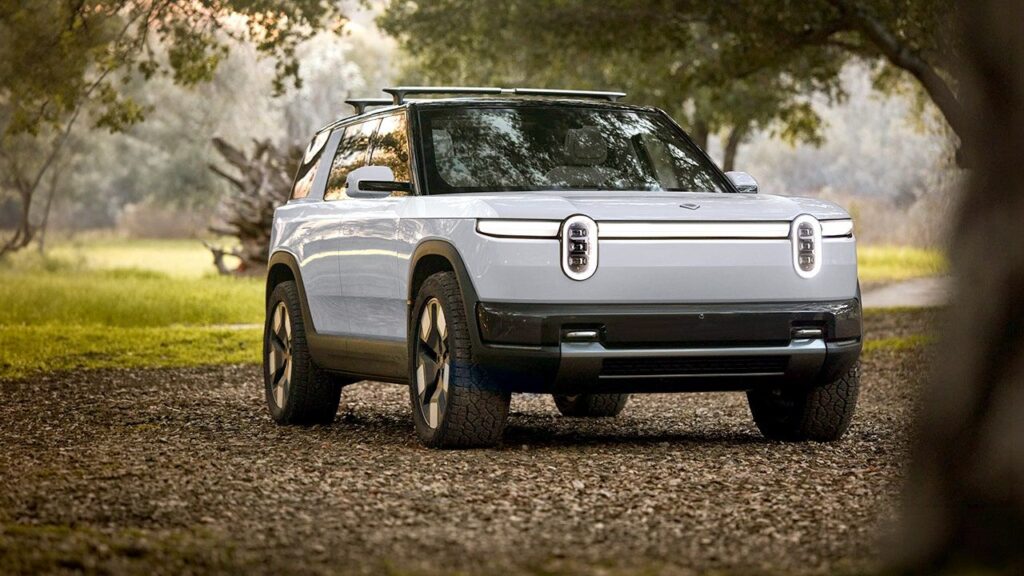
The shift is in part strategic, aimed at controlling more of the value chain as autonomous technologies mature. Unlike prior partnerships that left Uber as a platform connecting riders and third‑party fleets, owning robotaxis could allow Uber to shape the customer experience, pricing and utilisation of the vehicles directly. The first deployments are planned for San Francisco and Miami in 2028, with optimistic projections targeting expansion to as many as 25 cities by 2031. In parallel, Uber continues with other robotaxi arrangements, including its ongoing plans to deploy Lucid Motors vehicles equipped with Nuro’s autonomy stack.
Rivian’s R2 platform, which has yet to be produced, promises a suite of advanced sensors and proprietary autonomy hardware. Announced in December, the R2 is expected to incorporate 11 cameras, multiple radar units, LiDAR and Rivian’s own RAP1 chips for autonomous processing. However, development and commercial production remain significant challenges. Rivian will need to complete hardware tooling, software validation and certification before any R2‑based robotaxi enters service. Rivian’s own forecasts indicate that its investment in autonomy may push back profitability expectations, reflecting the high cost and complexity of bringing such systems to market.
For Uber, the strategic bet reflects confidence that the economics of robotaxis are nearing an inflection point. Unlike earlier days when autonomous vehicles were years away from commercial viability, recent progress in sensors, AI and operational frameworks has made large‑scale deployment more plausible. Uber’s willingness to absorb asset risk represents a belief that controlling the fleet will ultimately provide competitive advantages, especially in key urban markets where robotaxis may reduce costs and improve service reliability.
The deal also highlights Uber’s changing posture within the autonomous mobility ecosystem. By entering into direct purchases and significant equity investment in Rivian, Uber positions itself differently relative to partners like Waymo and Motional, which operate their own technology stacks. While Uber’s app continues to integrate multiple autonomous vehicle providers, the company’s ownership stake and future robotaxi fleet could create complexities or competitive tensions within these relationships.
However, the path ahead is laden with uncertainty. The technical challenges of deploying fully autonomous vehicles in live urban settings are enormous. Regulatory approval, safety validation, and real‑world performance all remain hurdles. Moreover, the economic calculus of robotaxi operations, including utilisation rates, maintenance costs, insurance and customer acceptance, will determine whether the model delivers on its promise.
Still, Uber’s investment and the planned robotaxi deployments underscore a broader shift within the company toward deeper involvement in the technologies that underpin future mobility. After years of working around autonomous capabilities, Uber is now placing itself squarely in the middle of the development curve, betting billions of dollars that the next decade will see driverless vehicles become a meaningful part of everyday transportation.
Uber Wayve and Nissan plan to launch robotaxi service in Tokyo this year