

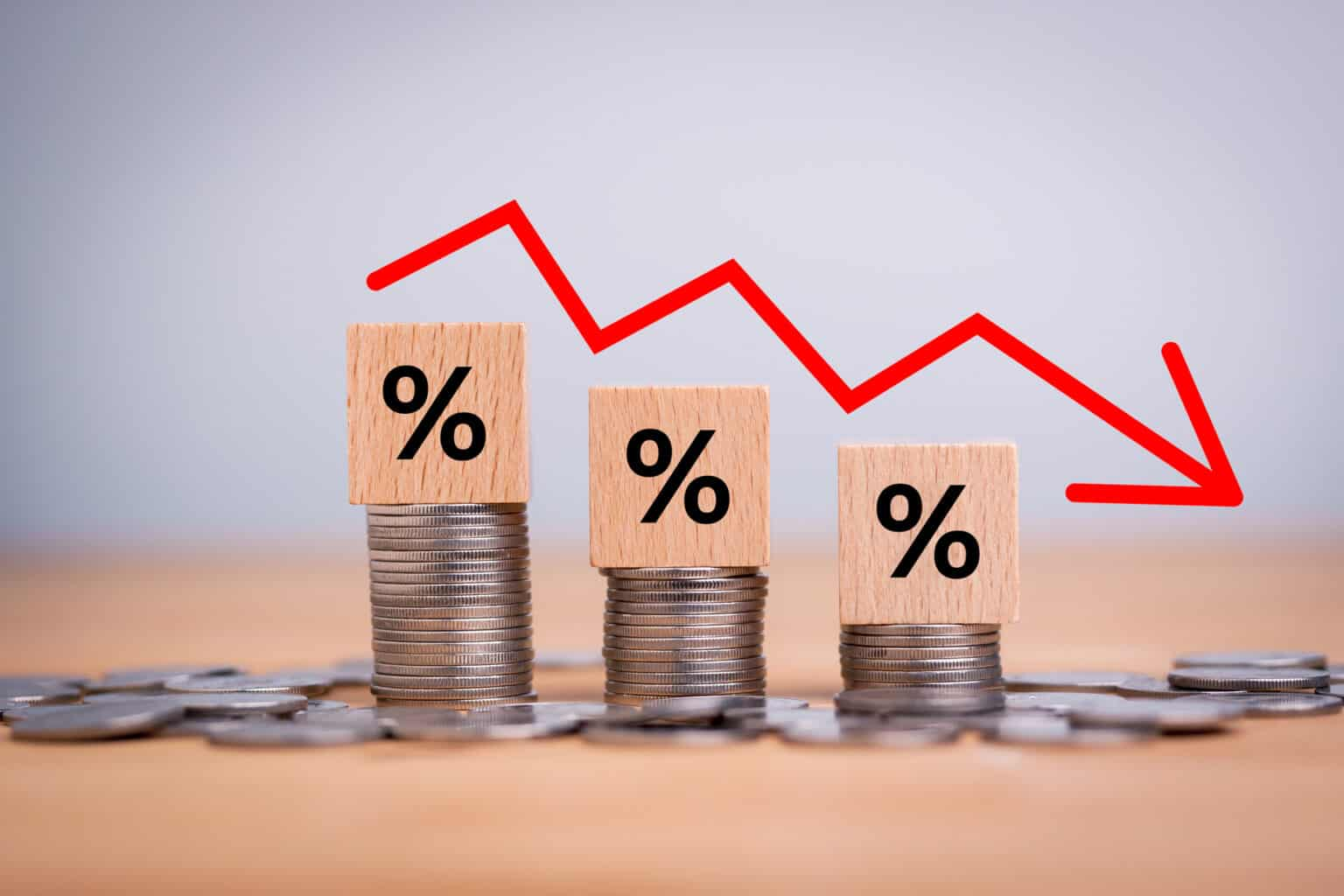
Ghana’s producer price inflation continued its downward trajectory in February 2026, easing further to 1.4 percent year on year, reinforcing a broader pattern of declining price pressures across the economy and signalling a stabilising cost environment for businesses. The latest figure, released by the Ghana Statistical Service, marks a modest but significant drop from the 1.6 percent recorded in January, extending the sustained decline observed over recent months.
The easing of producer inflation reflects a continued slowdown in the rate at which ex factory prices of goods and services are increasing, suggesting that firms are facing less intense cost pressures compared to previous periods. This development is particularly important for an economy emerging from a prolonged inflation crisis, where producer prices had surged to historically high levels just a few years ago. The latest data indicates that the aggressive inflation cycle that once strained both producers and consumers is now firmly in retreat, offering cautious optimism for macroeconomic stability.
The February figure builds on a steady trend of declining producer inflation since late 2025. In January, producer price inflation had already dropped to 1.6 percent from 1.9 percent in December, representing a consistent reduction in upstream price pressures. This gradual moderation suggests that the cost of production inputs, including raw materials, energy, and transportation, is becoming more predictable and less volatile, which could ultimately translate into more stable consumer prices over time.
Sectoral dynamics continue to play a critical role in shaping the overall inflation outlook. Earlier data showed mixed movements across industries, with some sectors such as mining and quarrying recording moderate increases, while manufacturing experienced deflationary trends, indicating falling prices. These divergent trends highlight the uneven nature of Ghana’s economic recovery, where certain sectors are still adjusting to global market conditions and domestic policy shifts.
The broader economic context further reinforces the significance of the February producer inflation figure. Ghana’s consumer inflation has also been on a consistent downward path, falling to 3.3 percent in February 2026, marking the fourteenth consecutive monthly decline and the lowest level recorded since the rebasing of the Consumer Price Index in 2021. This parallel decline in both producer and consumer inflation suggests a well aligned disinflation process, where easing production costs are gradually feeding into lower retail prices.
Analysts view this synchronised decline as a key indicator of improving macroeconomic conditions. The sustained drop in inflation has been supported by tight monetary policy, fiscal consolidation measures, and relative stability in the Ghanaian cedi. These factors have collectively helped anchor inflation expectations and restore a degree of confidence in the economy after years of volatility.
However, while the headline figures point to progress, underlying risks remain. Global economic uncertainties, including fluctuations in commodity prices and geopolitical tensions, continue to pose potential threats to price stability. External shocks, particularly in energy markets, have historically had a significant impact on Ghana’s inflation dynamics, given the country’s reliance on imported fuel and raw materials. Any sharp changes in global prices could quickly reverse the current gains.
Domestically, structural challenges such as supply chain inefficiencies, transport costs, and sector specific imbalances may also influence future inflation trends. For instance, earlier data indicated that certain service related sectors, including accommodation and transport, experienced negative inflation rates, reflecting reduced demand or pricing adjustments. While this contributes to the overall decline in inflation, it may also signal weak activity in parts of the economy.
Despite these concerns, the continued moderation in producer price inflation is likely to provide some relief for businesses, particularly manufacturers and exporters who have been grappling with high input costs in recent years. Lower production costs can improve profit margins, encourage investment, and enhance competitiveness, especially in sectors such as manufacturing and agriculture.
The trend also has implications for monetary policy. With inflation now well below the Bank of Ghana’s target range of 8 percent with a 2 percent margin, policymakers may have additional room to support economic growth through further easing measures if needed. Recent actions by the central bank, including significant interest rate cuts, reflect growing confidence in the disinflation process and the broader economic recovery.
Ultimately, the drop in producer price inflation to 1.4 percent in February underscores a critical phase in Ghana’s economic reset. It signals not just a reduction in cost pressures, but also a gradual return to stability after a period of intense economic strain. While challenges remain, the current trajectory suggests that Ghana is moving closer to a more balanced and predictable inflation environment, providing a stronger foundation for sustained growth in the months ahead.
Record low inflation reflects prudent economic management – BoG Governor