

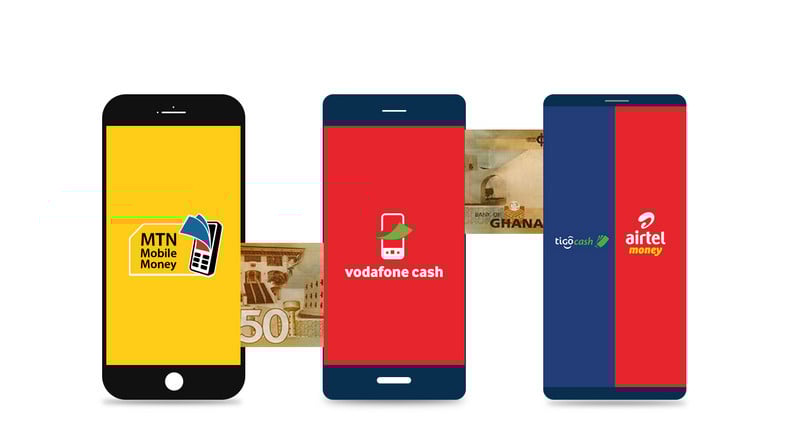
The total value of mobile money transactions in Ghana climbed to GH¢447.4 billion in February 2026, reinforcing the country’s rapid transition toward a cash light economy and highlighting the growing dominance of digital payments in everyday financial activity. The latest figures reflect a sustained upward trajectory in mobile money usage, driven by increased adoption, expanding financial inclusion, and the continued integration of digital platforms into both formal and informal sectors.
Data released by the Bank of Ghana shows that the February transaction value represents a notable increase from previous months, signalling strong user confidence in mobile money services despite broader economic adjustments. The volume of transactions also remained high, with millions of users relying on mobile wallets for payments, transfers, savings, and business operations, making mobile money an indispensable part of Ghana’s financial ecosystem.
The consistent growth in transaction value underscores the central role that mobile money now plays in facilitating commerce across the country. From street vendors and small scale traders to large businesses and service providers, digital payments have become a preferred method of transaction due to their convenience, speed, and relative security. This widespread usage has significantly reduced dependence on physical cash, especially in urban centres such as Accra, while also extending financial services to previously underserved rural communities.
The expansion of mobile money in Ghana is closely linked to broader financial inclusion efforts. Over the past decade, telecom operators and financial institutions have invested heavily in building robust digital infrastructure, enabling millions of Ghanaians to access basic financial services without the need for traditional bank accounts. This has been particularly impactful for individuals in remote areas, where access to conventional banking remains limited. By bridging this gap, mobile money has empowered users to participate more actively in the economy, whether through savings, remittances, or small business transactions.
Analysts attribute the February surge to several factors, including increased merchant acceptance of mobile payments, the growth of e commerce, and the continued use of mobile money platforms for government and institutional payments. Salary disbursements, utility payments, school fees, and tax obligations are increasingly being processed through mobile wallets, further embedding the system into the fabric of daily life. The interoperability of different mobile money platforms has also improved, allowing users to transfer funds seamlessly across networks, which has enhanced overall efficiency and user experience.
Despite the impressive growth, the mobile money sector continues to face challenges that could influence its future trajectory. Issues such as fraud, cybersecurity threats, and occasional network downtimes remain concerns for both users and regulators. The Bank of Ghana has responded by strengthening regulatory frameworks, introducing stricter guidelines for service providers, and promoting consumer education to mitigate risks. These measures are aimed at ensuring that the rapid expansion of digital payments does not compromise system integrity or user trust.
Another key factor shaping the mobile money landscape is the role of policy and taxation. In recent years, the introduction and subsequent adjustments of the electronic transfer levy sparked widespread debate about its potential impact on digital transactions. While some feared that the levy would discourage usage, the continued rise in transaction values suggests that mobile money remains resilient, driven by its convenience and necessity in modern economic activity.
The broader economic implications of this growth are significant. High mobile money transaction volumes contribute to greater financial transparency, improved tax collection, and enhanced monetary policy effectiveness. With more transactions occurring within the formal financial system, authorities are better positioned to track economic activity and implement targeted interventions when needed. This aligns with Ghana’s long term vision of building a digitally inclusive and resilient economy.
At the same time, the surge in digital payments is reshaping consumer behaviour and business models. Entrepreneurs are increasingly leveraging mobile money platforms to reach customers, manage finances, and scale operations without the need for extensive physical infrastructure. This shift is particularly evident among small and medium sized enterprises, which form the backbone of Ghana’s economy. By reducing transaction costs and barriers to entry, mobile money is enabling a new wave of innovation and economic participation.
Looking ahead, the trajectory of mobile money in Ghana appears firmly upward, with further growth expected as technology evolves and adoption deepens. The continued rollout of advanced financial services, including mobile based credit, insurance, and investment products, is likely to expand the scope of digital finance even further. As these services become more sophisticated, mobile money could play an even greater role in driving economic development and financial inclusion across the country.
The GH¢447.4 billion recorded in February is more than just a statistic; it is a clear indicator of how deeply digital finance has become embedded in Ghanaian society. It reflects a shift in how people transact, save, and engage with the economy, positioning Ghana as one of Africa’s leading markets in mobile money innovation. While challenges remain, the current momentum suggests that digital payments will continue to define the future of the country’s financial landscape.