

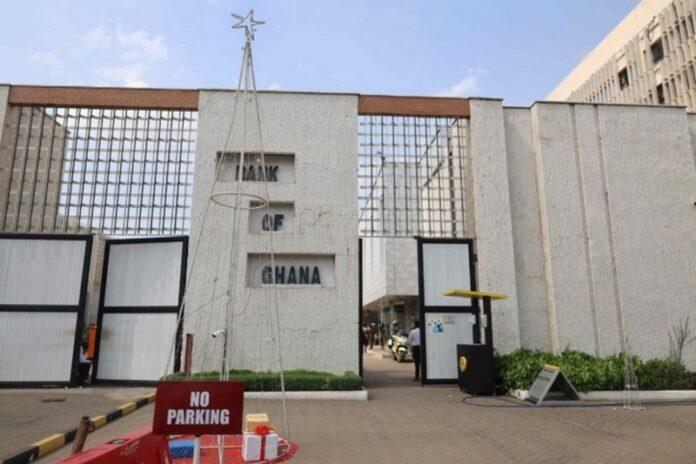
Ghana has recorded a significant improvement in its public finances, with total national debt declining to approximately $51.6 billion in 2025 and the debt-to-GDP ratio dropping to about 45.3 percent. The development marks a major step in the country’s ongoing efforts to stabilise its economy after years of fiscal strain and rising debt levels.
The latest figures, released by the Ministry of Finance Ghana, point to a notable turnaround driven by a mix of policy reforms, debt restructuring, and improved macroeconomic conditions. For a country that only recently faced one of its worst economic crises in decades, the decline signals a gradual return to fiscal stability.
One of the key drivers behind the reduction in debt has been Ghana’s comprehensive restructuring programme. After defaulting on parts of its external debt in 2022, the government entered negotiations with creditors to ease repayment pressures. These discussions led to agreements that restructured or deferred significant portions of the country’s obligations, providing immediate relief to the national budget.

Support from the International Monetary Fund has also played a central role. Under a multi-year programme, Ghana committed to strict fiscal discipline, including reducing budget deficits, limiting borrowing, and implementing structural reforms. These measures have helped restore some level of investor confidence and stabilise the economy.
At the same time, improved currency performance has contributed to the decline in debt levels. The relative stability and appreciation of the Ghanaian cedi reduced the domestic value of external debt, which makes up a significant portion of the country’s total obligations. This exchange rate effect has been an important factor in bringing down the overall debt stock.
Government efforts to control spending and increase revenue have further supported the gains. Authorities implemented measures to reduce non-essential expenditure while strengthening tax collection systems. These actions have helped narrow the fiscal deficit and reduce the need for excessive borrowing.
The broader economic environment has also shown signs of recovery. Inflation, which had surged to high levels during the crisis period, has begun to ease, while growth in key sectors such as agriculture, services, and industry has picked up. This improving outlook has contributed to stronger government revenues and reduced fiscal pressure.
Despite the progress, challenges remain. Ghana still faces substantial debt servicing obligations in the years ahead, and maintaining the current trajectory will require continued discipline. Any reversal in fiscal policy or external shocks could quickly undermine the gains that have been made.
In addition, structural pressures within the budget continue to pose risks. High public sector wage costs, interest payments, and social spending demands limit the government’s fiscal space. These factors make it difficult to allocate sufficient resources to infrastructure and development projects that are critical for long-term growth.
Economic analysts caution that while the decline in the debt-to-GDP ratio is encouraging, it must be sustained over time. A single year of improvement is not enough to guarantee long-term stability. Consistent policy implementation and careful management of public finances will be essential in the years ahead.
There are also external risks to consider. Global economic uncertainty, fluctuations in commodity prices, and tightening financial conditions could affect Ghana’s ability to maintain its recovery. As a commodity-dependent economy, the country remains vulnerable to changes in global market conditions.
Looking forward, the government has indicated its commitment to deepening reforms and completing the debt restructuring process. Restoring full access to international capital markets is a key objective, as it would allow Ghana to finance development projects at more sustainable costs.
The reduction of Ghana’s debt to $51.6 billion and the drop in the debt-to-GDP ratio to 45.3 percent represent a significant milestone. It reflects the combined impact of policy decisions, international support, and improving economic conditions.
While the road ahead remains challenging, the latest figures provide cautious optimism that Ghana is moving in the right direction. Sustaining this progress will depend on disciplined economic management, continued reforms, and the ability to navigate both domestic and global uncertainties.