


Ghana has taken a significant step toward addressing its growing urban water challenges following the signing of a Memorandum of Understanding (MoU) with two Turkish infrastructure companies for a major water supply project in Accra.
The agreement, signed by the Minister for Works, Housing and Water Resources, brings together the Government of Ghana and Turkish firms Koçak Çevre and Hacıoğlu Holding A.Ş. The partnership marks the beginning of technical planning for a large-scale water treatment and distribution system aimed at serving rapidly expanding communities in the eastern corridor of the capital.
Project scope and capacity
At the core of the initiative is the development of a major water treatment plant expected to produce approximately 300,000 cubic metres of potable water per day. This capacity is designed to significantly boost water supply to underserved and fast-growing urban areas, where demand has increasingly outpaced existing infrastructure.
The broader project is also expected to include an extensive transmission network, with plans indicating a pipeline system of about 90 kilometres to distribute treated water across eastern Accra. Water for the facility is projected to be sourced from the Volta River, with a proposed intake point near Asutsuare.
Addressing urban growth pressures
Officials say the project responds directly to mounting pressure on water systems caused by population growth, urbanisation, and rising economic activity in the Greater Accra Region. Existing infrastructure has struggled to keep pace with the city’s expansion, leading to periodic shortages and uneven distribution.
The Works and Housing Minister described the MoU as a critical step toward improving water reliability, expanding coverage, and ensuring long-term water security. The project is expected to enhance access to clean drinking water while supporting housing development, industrial activity, and public health outcomes.
Technical and development phase
The MoU outlines an initial phase focused on technical groundwork rather than immediate construction. Under the agreement, the Turkish partners will undertake feasibility studies, environmental and social impact assessments, and detailed engineering designs for the proposed facility.
Additionally, financial modelling and project structuring will be developed to guide eventual implementation. Ghana Water Limited is expected to play a key role by providing technical data, facilitating site access, and supporting coordination efforts.
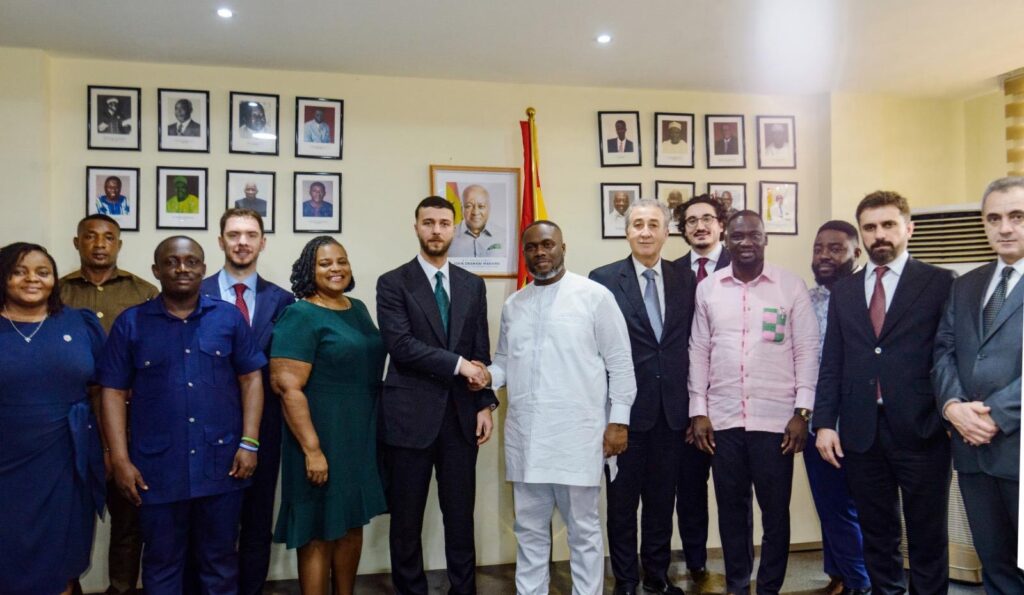
The agreement is valid for a limited period and will pave the way for a final contract, which will require parliamentary approval before full-scale construction begins.
Financing model and strategic importance
The project is expected to follow a build-operate-transfer (BOT) model, a financing structure increasingly used in large infrastructure developments across Africa. This approach allows private sector partners to finance, construct, and operate the facility for a defined period before transferring ownership to the government.
Such a model reduces immediate fiscal pressure on the state while leveraging private sector expertise in engineering and project management.
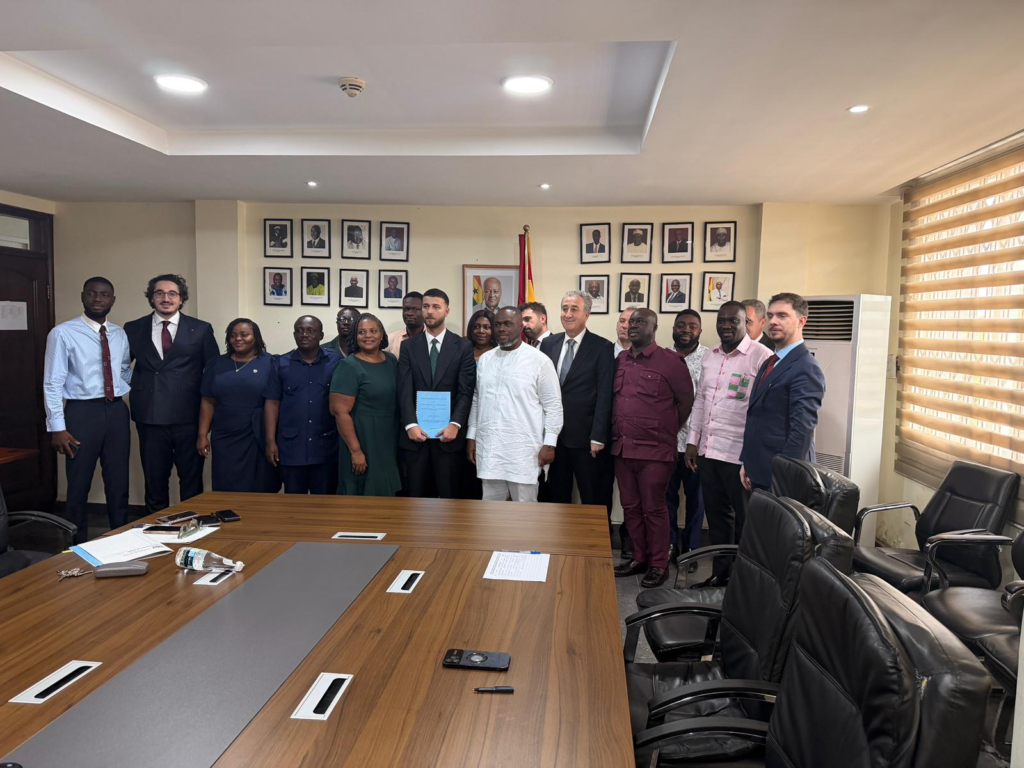
Beyond water supply, the initiative is seen as a strategic investment in Ghana’s long-term economic development. Reliable water infrastructure is essential for urban planning, industrial growth, and improving living standards in one of West Africa’s fastest-growing metropolitan areas.
Part of a broader infrastructure drive
The Accra water project reflects a wider trend across Africa, where governments are prioritising large-scale infrastructure investments to support rapidly urbanising populations. In Ghana, the move aligns with ongoing efforts to modernise essential services and strengthen resilience in key sectors such as water, energy, and transport.
By partnering with experienced international firms, Ghana aims to combine global expertise with local development priorities, ensuring that infrastructure expansion keeps pace with demographic and economic changes.
Once completed, the project is expected to play a transformative role in securing sustainable water supply for eastern Accra, positioning the capital for continued growth while addressing one of its most pressing urban challenges.