

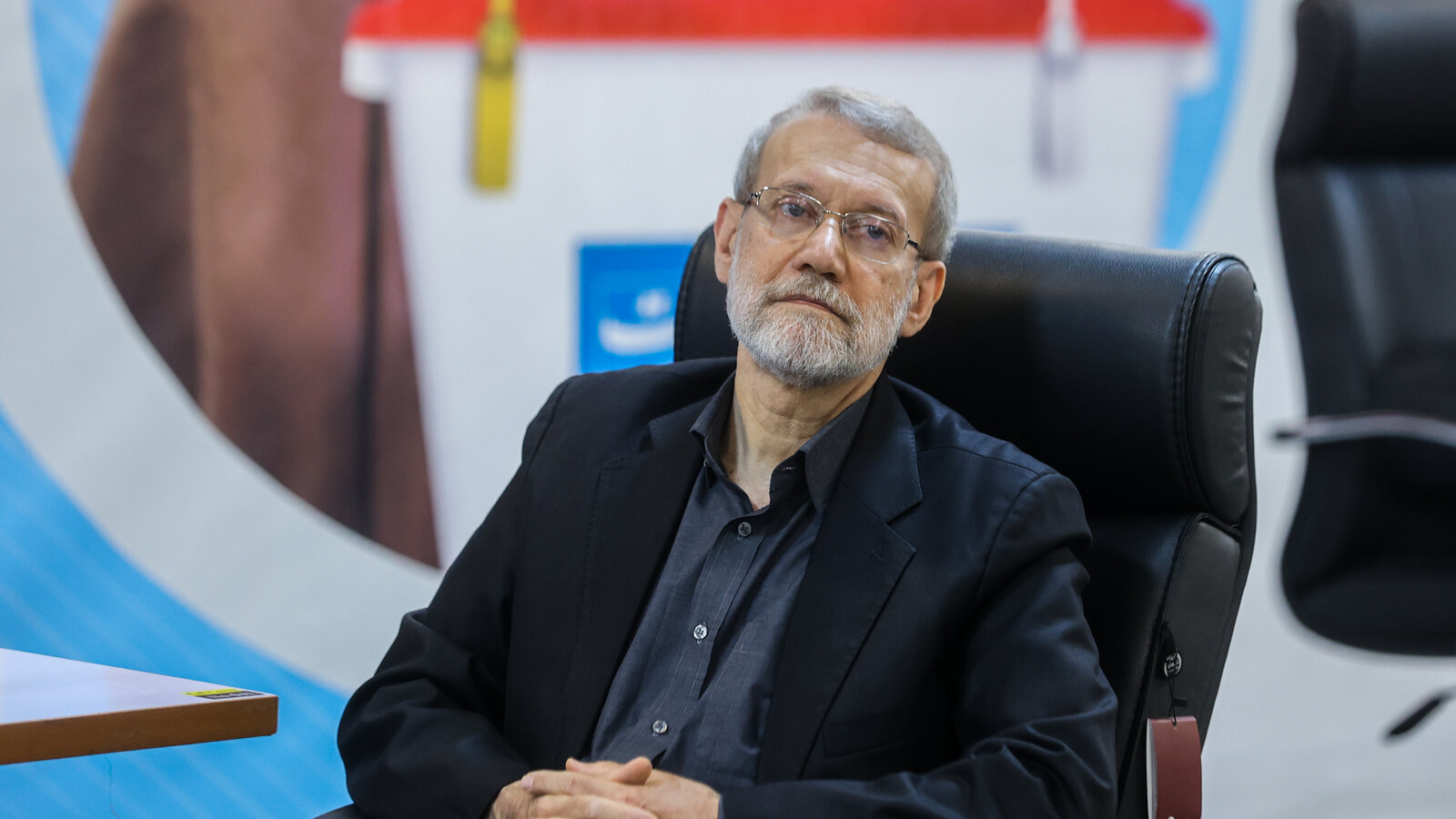
Israeli officials have claimed that Ali Larijani, one of Iran’s most senior political and security figures, was killed in a targeted airstrike, marking a major escalation in the ongoing regional conflict involving Israel, the United States, and Iran. The strike, reportedly carried out overnight near Tehran on March 16–17, 2026, is said to have also killed other high-ranking figures, including paramilitary commander Gholamreza Soleimani.
According to statements from Israeli Defence Minister Israel Katz and military officials, the operation was based on precise intelligence and formed part of a broader strategy to dismantle Iran’s leadership structure. Israeli authorities described Larijani as a key architect of Iran’s political and military strategy and a central figure in coordinating national security decisions.
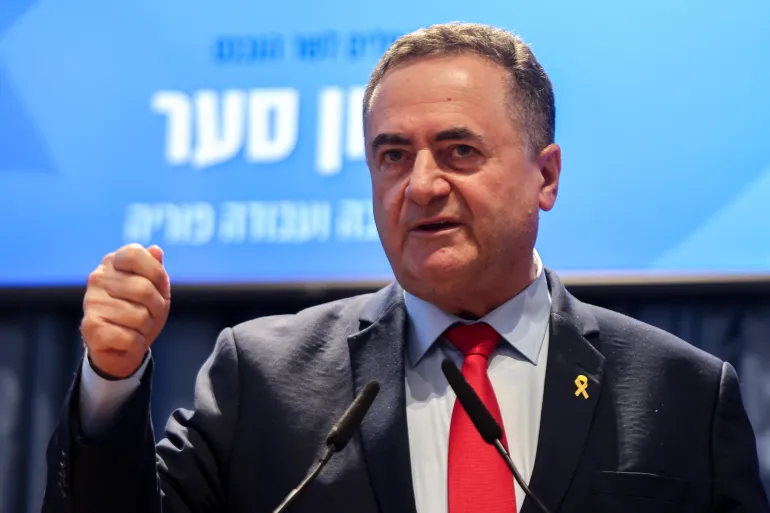
However, uncertainty remains over the outcome of the strike. While Israeli officials have declared Larijani dead, multiple reports indicate that his fate has not yet been independently verified. Iranian authorities have not officially confirmed the claim, and some sources suggest it remains unclear whether he was killed or seriously injured in the attack.
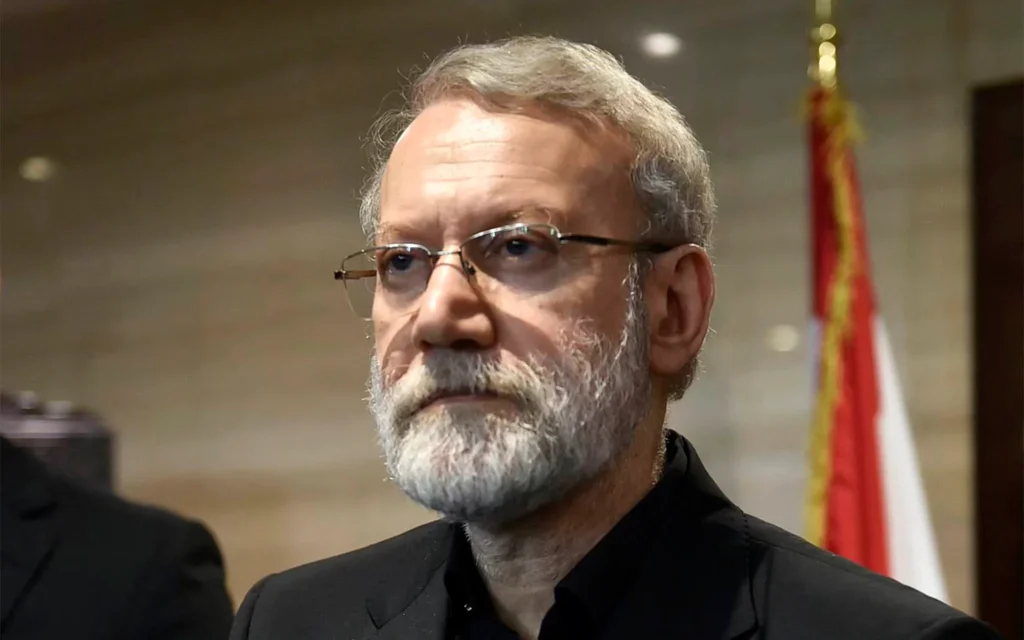
Larijani served as secretary of Iran’s Supreme National Security Council and was widely regarded as one of the most influential figures in the country’s leadership. He played a prominent role in shaping Iran’s domestic security policies and foreign strategy, including nuclear negotiations and regional diplomacy. In the wake of earlier strikes that killed senior Iranian leaders, Larijani had become even more central to the country’s decision-making apparatus.
His reported death, if confirmed, would represent one of the most significant losses for Iran since the killing of Supreme Leader Ali Khamenei in late February 2026. That earlier strike triggered a leadership crisis and marked the beginning of a broader phase of the conflict, with Iran forming an interim leadership structure and intensifying retaliatory actions across the region.
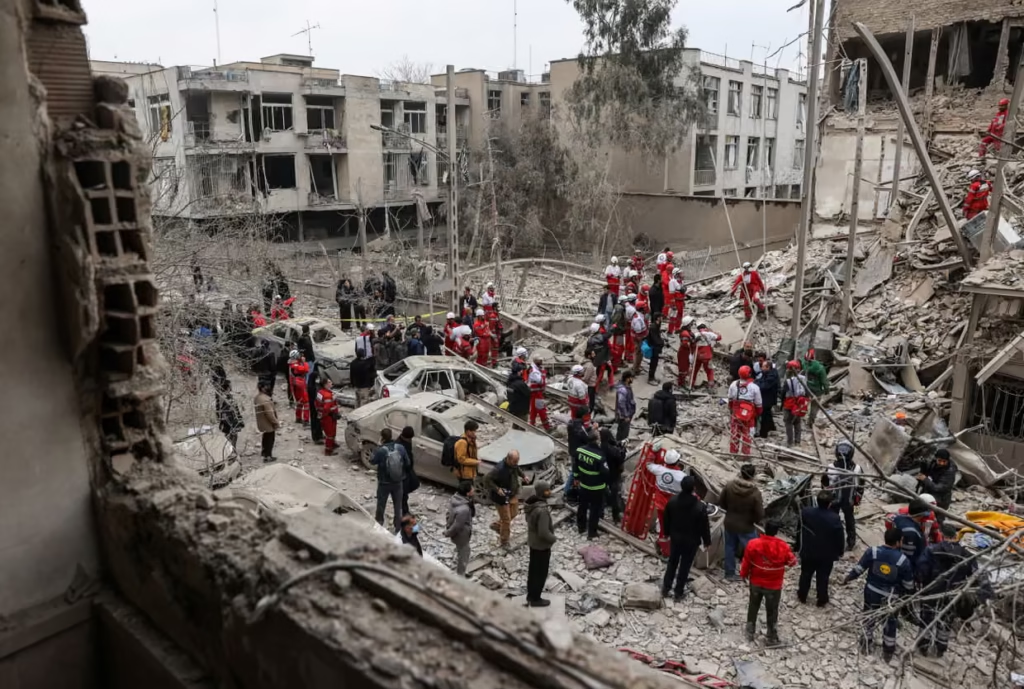
The latest developments come amid a rapidly intensifying war that has already resulted in thousands of casualties and widespread destruction. Israeli forces have expanded their air campaign across multiple Iranian cities, targeting military installations, infrastructure, and senior leadership figures. The strategy appears aimed at weakening Iran’s command structure and limiting its ability to coordinate military responses.
In response, Iran has continued to launch missile and drone attacks against Israeli territory and regional targets, including critical energy infrastructure in Gulf states. These retaliatory actions have heightened fears of a broader regional conflict, with multiple countries expressing concern about the risk of escalation and its impact on global stability.
The reported killing of Larijani also underscores the increasing use of targeted strikes against high-level officials in modern warfare. Analysts note that such operations, often referred to as “decapitation strikes,” are designed to disrupt leadership continuity and decision-making processes within adversary states. However, their effectiveness remains debated, as countries like Iran have demonstrated resilience through decentralized command structures and rapid leadership succession.
Beyond the immediate military implications, the strike carries significant political consequences. Larijani had been seen as a potential stabilizing figure within Iran’s leadership during a period of uncertainty following Khamenei’s death. His removal could further complicate internal dynamics and intensify competition among factions within the Iranian political system.
International reaction has been cautious, with global powers closely monitoring the situation. The lack of confirmation from Tehran has contributed to uncertainty, and diplomatic channels remain active as countries seek to prevent further escalation. At the same time, the broader conflict continues to disrupt global energy markets, particularly due to tensions surrounding the Strait of Hormuz, a critical route for oil shipments.
As the situation develops, the question of whether Larijani has indeed been killed remains central. Confirmation from Iranian authorities or independent sources will be critical in determining the full impact of the strike. If verified, his death would mark a turning point in the conflict, signaling a deeper phase of confrontation and raising the stakes for all parties involved.
For now, the reported airstrike stands as one of the most consequential events in a rapidly evolving war, highlighting the fragility of regional stability and the growing risks of a wider international crisis.