

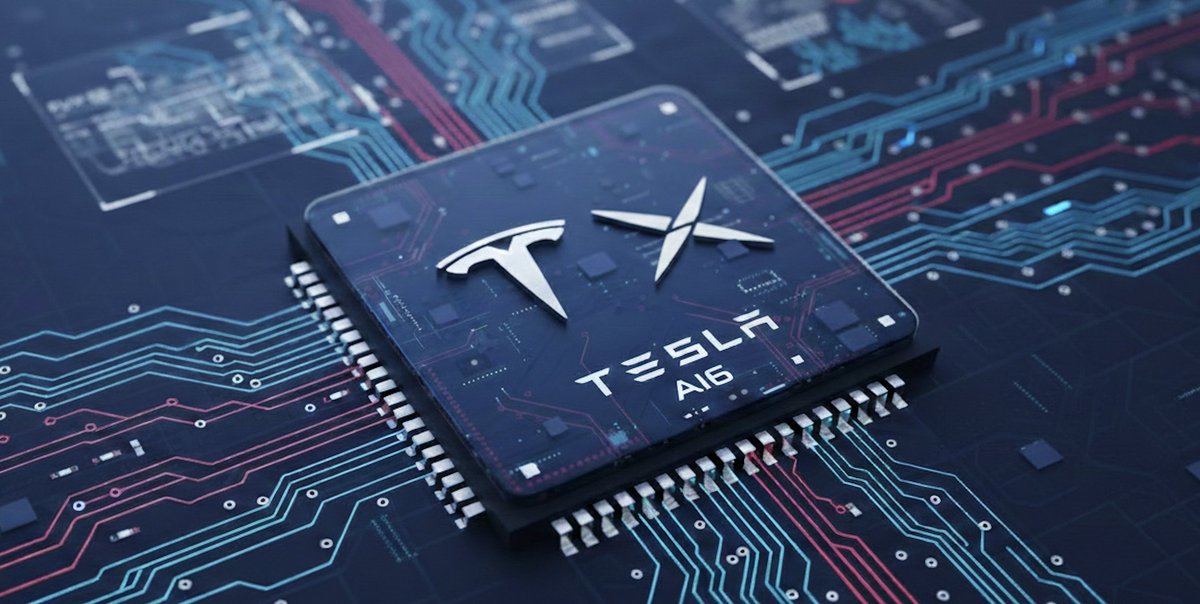
Tesla is preparing to enter a new phase of its artificial intelligence ambitions after chief executive Elon Musk announced that the company’s long-anticipated “Terafab Project” for manufacturing in-house AI chips will officially launch on March 21.
Musk revealed the timeline over the weekend, signalling that the electric vehicle maker is accelerating efforts to design and produce its own advanced semiconductors as competition intensifies in the rapidly expanding artificial intelligence hardware market. The initiative marks another step in Tesla’s strategy to reduce dependence on external chip suppliers while strengthening its internal technology ecosystem that powers autonomous driving systems, robotics and large scale AI computing.
The Terafab project is expected to focus on producing specialised AI chips designed to support Tesla’s growing computing requirements. Over the past several years, the company has increasingly invested in custom silicon to power critical systems such as its Full Self Driving platform and its large scale training infrastructure used to develop autonomous driving models.
Unlike traditional automotive chips used in vehicle control systems, AI processors require enormous computing power and advanced architectures capable of processing massive datasets in real time. Tesla’s push into in-house chip manufacturing reflects a broader industry trend where technology companies are increasingly designing their own semiconductors to optimise performance and control costs.
Tesla has already taken steps in this direction with its proprietary chips used in self driving computers installed in its vehicles. The Terafab project, however, signals a much larger ambition: establishing a dedicated manufacturing capability focused on high performance AI processors that could support both vehicle autonomy and wider artificial intelligence applications.
The announcement comes as global demand for AI computing hardware continues to surge, driven by the rapid development of machine learning models, robotics and advanced automation systems. Companies across the technology sector are investing heavily in specialised chips designed to train and run artificial intelligence models more efficiently.
For Tesla, the expansion into AI chip production also aligns with Musk’s broader vision of transforming the company from a traditional electric vehicle manufacturer into a technology platform centred on artificial intelligence and robotics. Musk has repeatedly emphasised that Tesla’s long term value will come not only from its cars but also from its ability to develop advanced AI systems capable of autonomous driving and autonomous machines.
The company already operates one of the world’s most powerful AI training infrastructures to process driving data collected from millions of vehicles on the road. That data is used to train neural networks that power Tesla’s driver assistance and autonomous driving technologies.
Developing dedicated AI chips through the Terafab initiative could give Tesla greater control over the performance and scalability of this computing infrastructure. Custom hardware allows companies to optimise processors for specific workloads, improving efficiency while reducing reliance on external chipmakers.
The move also reflects increasing strategic importance of semiconductor production in the global technology industry. In recent years, supply chain disruptions and geopolitical tensions have highlighted the vulnerability of companies that depend heavily on third party chip suppliers.
By investing in its own semiconductor capabilities, Tesla joins a growing group of technology firms seeking to build vertically integrated AI ecosystems where hardware and software are designed together. This approach can provide competitive advantages in performance, cost and technological independence.
While Musk did not disclose extensive technical details about the Terafab project, the announcement indicates that Tesla is moving quickly to scale up the initiative. The planned launch date suggests that the first stage of the project could involve either pilot manufacturing or the introduction of new AI hardware systems linked to Tesla’s computing infrastructure.
Investors and industry analysts will be closely watching how the project develops, particularly as competition in AI hardware intensifies among major technology firms investing billions of dollars in advanced chips and computing infrastructure.
If successful, Tesla’s Terafab project could strengthen the company’s position in the rapidly evolving artificial intelligence sector while reinforcing Musk’s long term strategy of building a technology company where electric vehicles, autonomous systems and AI powered computing platforms are deeply integrated.
Tesla Shareholders Approve Elon Musk’s $1 Trillion Pay Package