

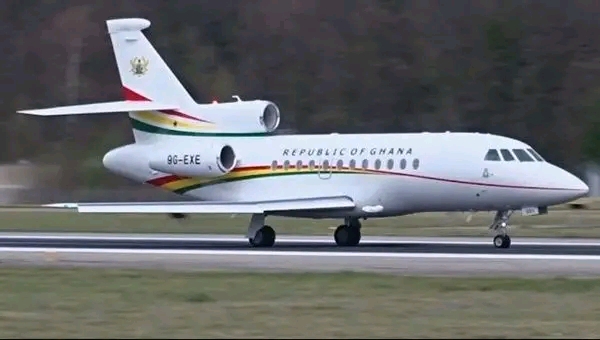
The government of Ghana is expected to acquire a new aircraft for presidential travel by November as part of efforts to strengthen the country’s official aviation capacity and reduce reliance on privately sourced aircraft for state duties. The announcement was made by Callistus Mahama, who confirmed that plans are underway to expand the presidential fleet in the coming months.
According to the presidency, the move forms part of a broader initiative to improve state logistics and enhance the country’s ability to transport the head of state using government owned assets. Officials say the new aircraft will be dedicated to the travel needs of the President and will help ensure that official trips are conducted more efficiently and securely.
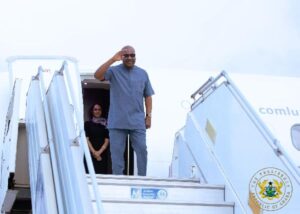
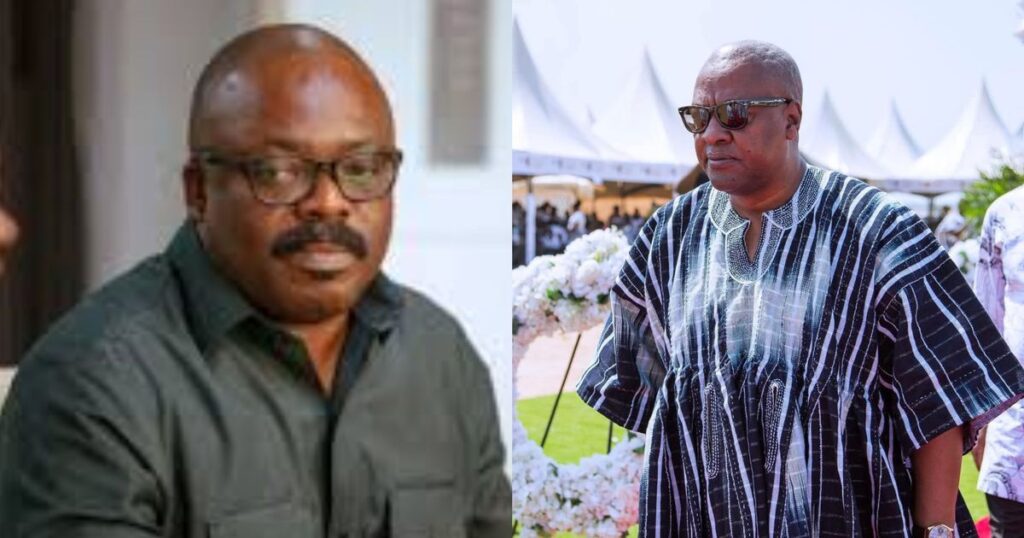
The planned acquisition comes amid public debate over recent travel arrangements involving John Dramani Mahama, who has reportedly used a private jet owned by his brother for some official engagements. The situation sparked discussions about the appropriateness of relying on privately owned aircraft for presidential travel and raised broader questions about Ghana’s current aviation assets.

Dr Callistus Mahama explained that the use of a private aircraft was only a temporary arrangement and that it would no longer be necessary once the new aircraft is delivered later this year. The government believes that expanding the presidential fleet will restore the country’s ability to depend fully on state owned resources for official transportation of the President and other high level delegations.
The acquisition is also tied to wider efforts to modernise the aviation infrastructure of the Ghana Armed Forces. Authorities say strengthening air transport capacity forms part of a broader programme aimed at retooling the military and ensuring that state institutions have the equipment required to support government operations.
Historically, Ghana has operated a limited number of aircraft dedicated to presidential travel. The country’s official presidential jet has been a Dassault Falcon 900EX, acquired in 2010 and used for long distance official travel. Over the years, however, the aircraft has undergone maintenance and operational challenges, which have occasionally forced authorities to seek alternative travel arrangements.
The debate over presidential travel logistics is not new in Ghana. Past administrations have faced criticism over the costs and practicality of maintaining dedicated aircraft for the head of state, especially during periods of economic difficulty. At the same time, security experts and government officials often argue that having a reliable state aircraft is essential for national security, diplomatic missions and emergency response situations involving the presidency.
Analysts note that presidential aircraft are typically equipped with specialised communication systems and security features that allow leaders to remain connected to government operations while traveling. In many countries, such aircraft are also used to transport senior government officials, diplomatic delegations and security personnel during international engagements.
Supporters of the government’s decision say acquiring a new aircraft will improve operational efficiency and avoid the logistical complications that arise when the president relies on chartered or privately owned planes. They also argue that maintaining dedicated state aircraft aligns with international practice, as most countries operate official planes for their heads of state or government.
Critics, however, have raised concerns about the financial implications of such a purchase, particularly at a time when Ghana is navigating economic recovery challenges. Some commentators have called for greater transparency regarding the cost of the aircraft, procurement procedures and long term maintenance expenses associated with expanding the presidential fleet.
Civil society groups and policy analysts have urged the government to ensure that any acquisition follows strict procurement rules and provides clear value for money for taxpayers. They also stress the importance of communicating openly with the public about how the aircraft will be financed and managed once it becomes part of the national fleet.
Despite these debates, officials insist that the acquisition is necessary to restore Ghana’s full capacity to conduct presidential travel independently. If the plan proceeds as announced, the new aircraft is expected to be delivered before the end of the year, marking a significant development in the country’s state aviation infrastructure.
The government has indicated that additional updates on the procurement process and the aircraft specifications will be provided in the coming months as preparations continue for its expected arrival by November.
Defence Minister Accuses Former NPP Government of Neglecting Presidential Jet