

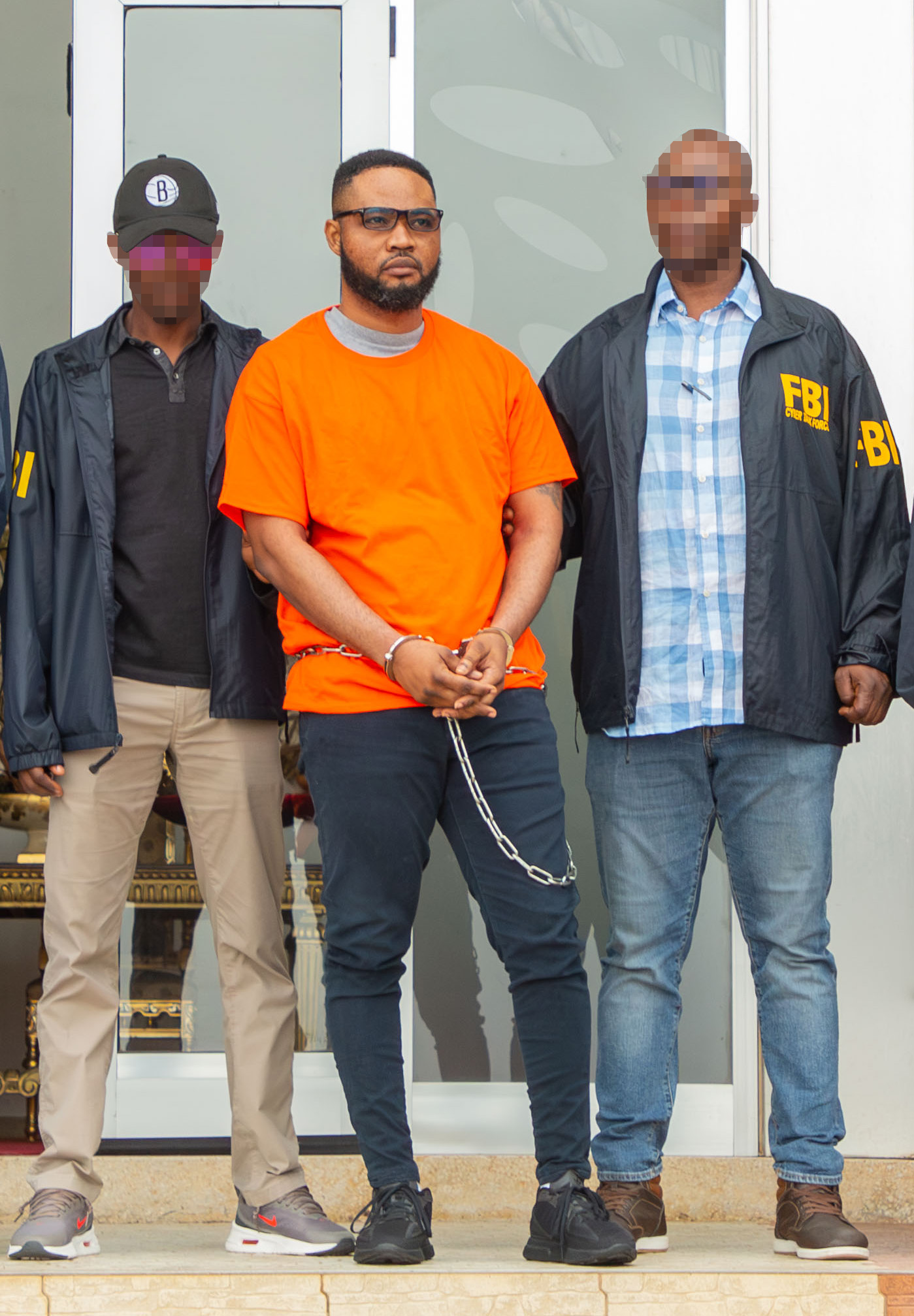
Derrick Van Yeboah, a 40-year-old Ghanaian national, has entered a guilty plea in a U.S. federal court for his role in a sophisticated international fraud operation that targeted victims through online romance scams and related cybercrime schemes. The plea was entered on March 5, 2026, in the United States District Court for the Southern District of New York before U.S. District Judge Arun Subramanian, marking a significant legal development in the global fight against online financial fraud.

Van Yeboah admitted to one count of conspiracy to commit wire fraud for his participation in a criminal network that defrauded victims of more than $100 million across the United States, according to the U.S. Attorney’s Office, Southern District of New York. Within that broader conspiracy, he is held directly responsible for obtaining over $10 million through deceptive romance scams that specifically targeted vulnerable individuals, many of whom were elderly citizens searching for companionship online.
The crime and modus operandi
According to charging documents and prosecutorial statements, the criminal organization at the centre of the case was primarily based in Ghana and engaged in two principal types of illicit activities: romance scams and business email compromise (BEC) attacks.
- Romance scams: Members of the ring created fake online identities on social and dating platforms to establish seemingly genuine romantic relationships with victims. After gaining emotional trust, the perpetrators persuaded victims to send money or provide financial information. Van Yeboah personally conducted several of these scams by impersonating fictitious romantic partners in communications with victims.
- Business email compromise: In parallel with personal scams, the network conducted sophisticated BEC schemes in which they impersonated trusted business associates via email to trick companies into wiring funds to fraudulent accounts controlled by the operation.
Once victims were convinced to transfer funds, the stolen money was routed through a series of accounts before being laundered internationally, with much of it ultimately transferred to accounts in West Africa. Prosecutors say the entire criminal enterprise stole and laundered more than $100 million.
Prosecutorial response and public warnings
Jay Clayton, the United States Attorney for the Southern District of New York, strongly condemned the conduct, describing it as a “massive criminal scheme targeting elderly men and women in online romance scams.” He stressed the emotional and financial devastation inflicted on victims who sought connection but instead suffered significant monetary loss. Clayton also issued a public advisory urging greater vigilance in online interactions, particularly on social and dating platforms, reminding the public to never send money to someone you have never met in person.
The case highlights ongoing efforts by U.S. law enforcement, including the Federal Bureau of Investigation and the U.S. Department of Justice Office of International Affairs, to disrupt and dismantle transnational fraud networks. Ghanaian authorities also cooperated closely in the extradition and investigation process, underscoring the international dimension of cybercrime enforcement.
Legal consequences
Van Yeboah’s plea agreement includes restitution and forfeiture obligations totaling $10,149,429.17, representing the proceeds he personally extracted from victims through romance scams. Under U.S. federal sentencing guidelines, the charge of conspiracy to commit wire fraud carries a maximum penalty of 20 years in prison, and Van Yeboah is currently scheduled to be sentenced on June 3, 2026.
The prosecution is being led by the Complex Frauds and Cybercrime Unit of the U.S. Attorney’s Office for the Southern District of New York, with Assistant U.S. Attorneys Kevin Mead and Mitzi Steiner overseeing the case.
Broader context of online fraud
Online romance scams have become increasingly prevalent and profitable for criminal syndicates worldwide. Investigators note that such scams often leverage emotional manipulation, building long term relationships with victims before requesting money under false pretences such as claiming urgent medical needs, fabricated legal issues, travel expenses, or investment opportunities. Cybercriminals also increasingly use technology including social platforms and payment apps to conceal identities and launder funds across borders.
This case serves as a stark reminder of the risks associated with online relationships and highlights the importance of digital literacy and caution among internet users, particularly those who may be isolated or seeking companionship. Authorities emphasize that vigilance, skepticism toward financial requests from online contacts, and the use of secure communication platforms can mitigate exposure to such scams.
The guilty plea by Derrick Van Yeboah marks a major enforcement milestone in the U.S. government’s efforts to combat international cyber fraud, especially schemes that exploit emotional vulnerability for financial gain. As the legal process moves toward sentencing in June, the case is likely to remain a high profile example of transnational cooperation in tackling online crime networks and protecting vulnerable populations from financial exploitation.