

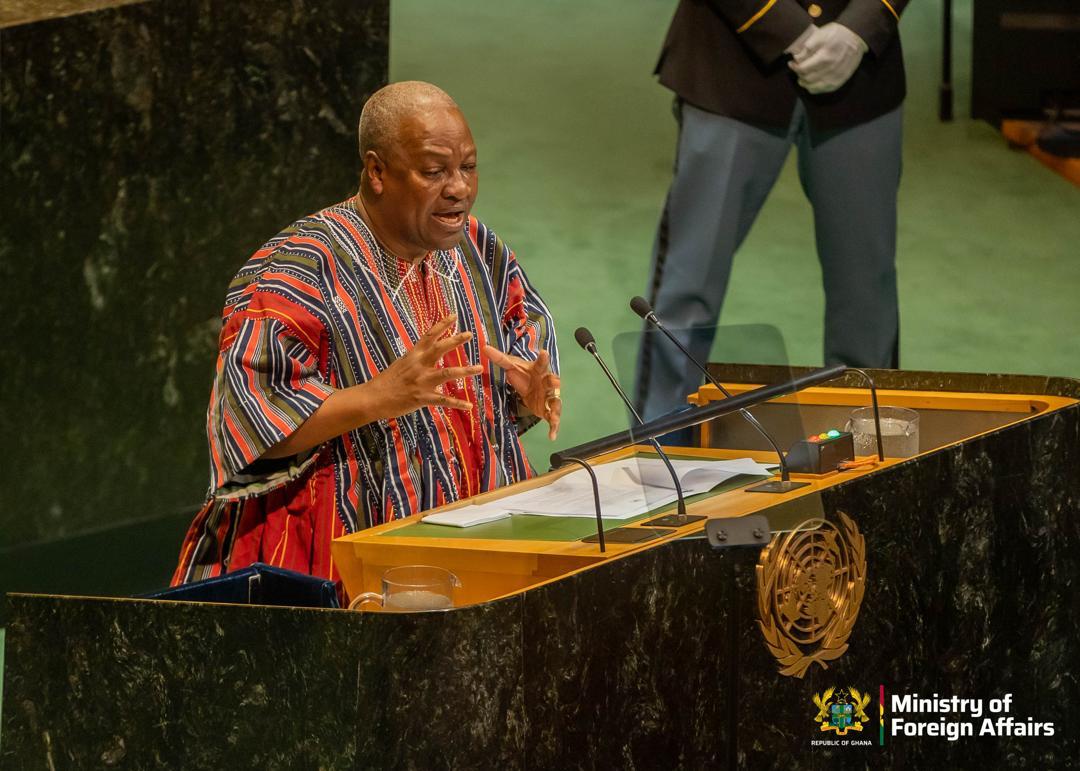
Ghana is preparing to submit a landmark resolution to the United Nations General Assembly seeking formal recognition of the transatlantic slave trade as the gravest crime in human history and calling for reparations for its enduring consequences. The initiative marks a major step in Africa’s long standing campaign for reparatory justice and is expected to draw significant international attention when it is formally presented at the global body.
The resolution, which Ghana hopes to table as early as March 2026, aims to acknowledge the scale, duration and devastating legacy of the transatlantic slave trade, which forcibly removed millions of Africans from the continent over several centuries. According to Ghana’s Foreign Ministry, the proposal seeks global recognition of the profound social, economic and cultural damage caused by the slave trade and its lasting effects on African societies and people of African descent worldwide.
A renewed push for reparatory justice
The West African nation has positioned itself as one of the leading advocates of reparations on the continent. Ghana’s government has argued that recognition of the transatlantic slave trade as a crime against humanity is a crucial step toward addressing the historic injustices experienced by Africans and their descendants across the globe.
President John Dramani Mahama has emphasized that the motion is intended not merely as a symbolic gesture but as a meaningful effort to seek justice and restitution for the millions of people who were enslaved during the transatlantic trade. The initiative reflects Ghana’s broader diplomatic efforts to elevate the issue of reparations on the international agenda.

Officials say the resolution will highlight how the slave trade contributed to centuries of economic exploitation, racial inequality and structural disadvantages that continue to affect African nations and diaspora communities today. Ghana believes that global acknowledgment of these historical realities could lay the groundwork for deeper dialogue on reparations and restorative justice.
Support from Africa and the Caribbean
Ghana’s proposal is expected to receive strong backing from African and Caribbean countries that have long advocated for reparations related to slavery and colonialism. The African Union has already endorsed the broader campaign for reparatory justice and has been working to establish a unified continental position on the issue.
In recent years, the AU has sought to coordinate the efforts of its 55 member states to define what reparations could entail. Proposals under discussion include financial compensation, official apologies from former colonial powers, debt relief, development programmes and policy reforms aimed at addressing the historical disadvantages caused by slavery and colonial exploitation.
Caribbean nations, many of which were deeply affected by the transatlantic slave trade, are also expected to support the resolution. Regional organisations such as the Caribbean Community have already developed their own frameworks for pursuing reparations and are likely to align with Ghana’s proposal at the United Nations.
Expected resistance from some countries
Despite growing global discussion around reparations, the proposal may face opposition from some European governments. Critics argue that modern states and institutions should not be held legally responsible for historical injustices committed centuries ago.
Nevertheless, Ghana remains optimistic that the resolution will attract broad support from UN member states. The country’s Foreign Ministry has stressed that the initiative is not intended to reopen old wounds but rather to promote healing and historical truth. By formally recognizing the atrocities of the slave trade, Ghana hopes to encourage global reconciliation and constructive dialogue on justice for affected communities.
Historical context and global momentum
The transatlantic slave trade lasted for roughly four centuries and resulted in the forced displacement of more than 15 million Africans to the Americas and Europe. The trade fundamentally reshaped global economic systems while devastating communities across Africa.
Calls for reparations have intensified in recent years as scholars, activists and governments highlight the continuing legacy of slavery in modern inequalities. International discussions have been supported by initiatives such as global reparations conferences and policy frameworks developed by African and diaspora organizations.
Ghana has played a prominent role in this movement, hosting major conferences and leading diplomatic initiatives aimed at placing reparatory justice firmly on the international agenda. The country has also worked closely with global institutions and diaspora communities to build a coalition advocating for historical accountability.
If adopted, the proposed UN resolution would represent one of the most significant international acknowledgments of the transatlantic slave trade’s historical impact. While it may not immediately result in financial reparations, it could create a formal framework for future negotiations and international cooperation on restorative justice.
For Ghana and its allies, the initiative represents an effort to confront historical injustices while promoting a more equitable global future. As debates over reparations continue to evolve, the country’s diplomatic push at the United Nations could become a defining moment in the global struggle for historical recognition and justice.