

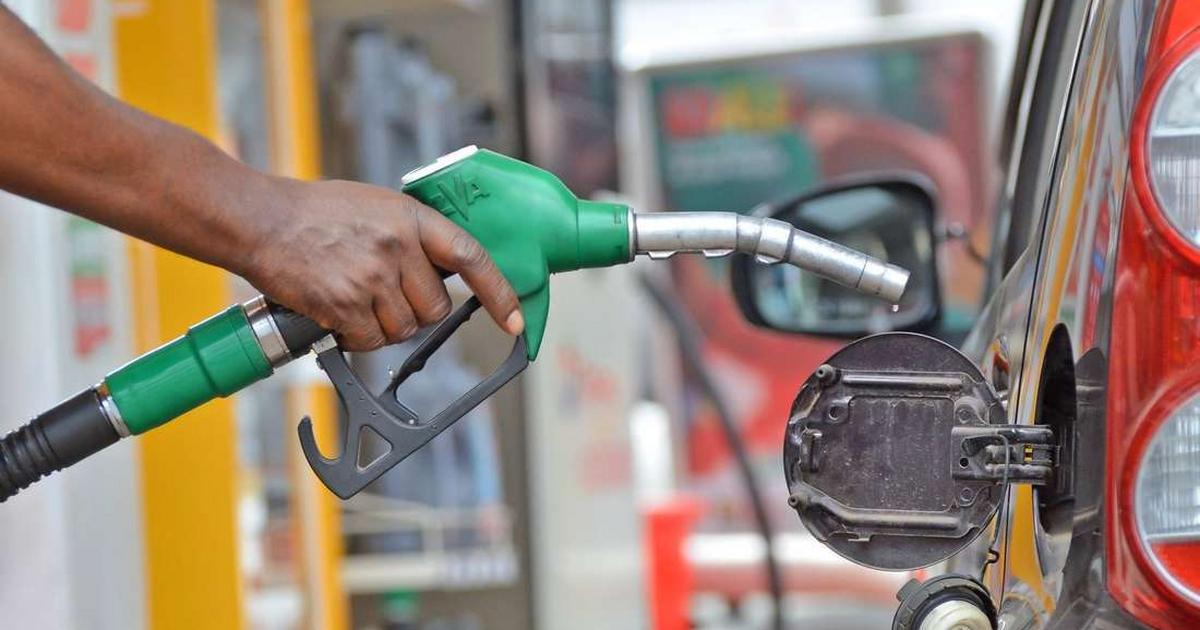
Ghana’s National Petroleum Authority has announced an upward revision of the fuel price floor for the second pricing window of March, raising the minimum selling price for petrol to ¢11.57 per litre and diesel to ¢14.35 per litre. The adjustment takes effect from March 16 to March 31 and signals potential increases at fuel pumps across the country as oil marketing companies align with the new regulatory thresholds.
The revised price floor marks a noticeable jump from the first pricing window of March, during which petrol was set at ¢10.46 per litre while diesel stood at ¢11.42. This means petrol has increased by ¢1.11 per litre, while diesel has recorded a much steeper rise of ¢2.93 within the same month. Liquefied petroleum gas has also seen an increase, moving from ¢9.38 per kilogram to ¢10.67 per kilogram.
The price floor is the minimum allowable price at which fuel products can be sold under Ghana’s petroleum pricing guidelines. Oil Marketing Companies and LPG marketers are required to comply with these thresholds during each pricing window to ensure fairness and stability in the downstream petroleum market. However, the floor does not necessarily represent the final price consumers pay at the pump because additional costs such as distribution margins, operational expenses and other market factors may still influence retail prices.

The decision by the regulator comes amid growing pressure on global energy markets. Rising crude oil prices driven by geopolitical tensions in the Middle East have contributed to upward adjustments in fuel prices worldwide. Analysts say disruptions in global oil supply chains and increasing demand in major economies have pushed benchmark crude prices higher, affecting import costs for countries like Ghana that rely heavily on petroleum imports.
Energy market observers say the price adjustment reflects the broader impact of global economic conditions on Ghana’s fuel market. International oil prices, exchange rate movements and shipping costs all play a significant role in determining domestic petroleum prices. When global crude prices surge or when the Ghanaian cedi weakens against major trading currencies, the cost of importing refined petroleum products increases, often resulting in higher fuel prices locally.
The development is likely to have ripple effects across various sectors of the Ghanaian economy. Transportation costs often respond quickly to fuel price changes, and increases in petrol and diesel prices typically lead to adjustments in public transport fares and logistics charges. Businesses that depend heavily on transportation, including agriculture, manufacturing and retail distribution, may also face higher operating costs if pump prices rise following the new price floor.
Economists warn that sustained increases in fuel prices could contribute to inflationary pressure in the country. Fuel plays a critical role in production, transportation and energy supply, meaning price changes can influence the cost of goods and services across the economy. For households already grappling with rising living costs, further increases at the pump could add to financial strain.
Despite concerns about price increases, the NPA has maintained that the price floor policy is necessary to maintain stability in the downstream petroleum sector. The regulator introduced the policy to prevent price undercutting among oil marketing companies, which could distort competition and create instability in the market. By establishing a minimum price threshold, the NPA aims to ensure that petroleum businesses operate sustainably while maintaining fair competition.
The NPA is a statutory body established under Ghana’s NPA Act of 2005 to regulate and oversee the downstream petroleum industry, including pricing, licensing and market compliance. The authority regularly reviews fuel price floors based on prevailing market conditions, international oil prices and economic indicators.
Industry analysts expect oil marketing companies to adjust pump prices accordingly as the new window begins. While some fuel stations may set prices slightly above the minimum threshold due to operational costs, the revised price floor provides a baseline that will shape fuel pricing nationwide until the next pricing review.
For motorists and businesses across Ghana, the coming weeks will determine how the revised price floors translate into retail pump prices. As global oil markets remain volatile and geopolitical tensions continue to influence energy supply chains, fuel price movements are expected to remain a key economic issue for the country in the months ahead.