


China has announced a major policy shift that will remove tariffs on imports from most African countries, a move expected to reshape trade relations between Africa and the world’s second largest economy while sparking debate about its long term economic impact.
The decision was announced by Chinese President Xi Jinping in February 2026 and will take effect on May 1. Under the policy, imports from 53 African countries will receive zero tariff treatment when entering China’s market. The only country excluded from the arrangement is Eswatini, which maintains diplomatic relations with Taiwan rather than Beijing.
The tariff free regime represents one of the most significant trade concessions China has offered to African economies. Supporters argue that the move could open new opportunities for African exporters by granting easier access to China’s vast consumer market.
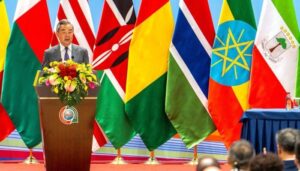
China has been Africa’s largest trading partner for more than a decade, with trade between the two sides reaching hundreds of billions of dollars annually. However, African exports to China have traditionally been dominated by raw materials such as oil, copper and minerals, while manufactured goods and agricultural products have struggled to gain a strong foothold in the Chinese market.
By removing tariffs, Chinese authorities hope to encourage a wider range of African exports to enter their market, potentially boosting industries such as agriculture, textiles, food processing and manufacturing across the continent.
For African economies seeking to diversify their export base, the new policy could provide an opportunity to expand production and increase foreign exchange earnings. Countries producing coffee, cocoa, fruit, seafood and processed agricultural products may find it easier to compete with suppliers from other parts of the world once tariffs are removed.
Economists say the policy could also strengthen the broader economic partnership between China and Africa by deepening trade ties and supporting industrial development. Increased exports to China could help African countries reduce trade deficits and stimulate economic growth through higher production and employment.
However, the initiative has also raised concerns among analysts who warn that tariff free access alone may not automatically translate into increased exports from Africa. One of the main challenges is that many African countries lack the industrial capacity and infrastructure needed to produce goods at the scale required by China’s large market.
Another concern relates to product standards and regulatory requirements. Exporters must still meet Chinese quality and safety regulations, which can be difficult for smaller producers without adequate technical support or modern production facilities.
Trade experts also note that Africa’s export profile remains heavily concentrated in raw materials. Without stronger manufacturing and processing industries, African economies may continue exporting largely unprocessed commodities rather than higher value manufactured goods.
Some analysts worry that the policy could reinforce existing trade patterns where Africa supplies natural resources while importing manufactured products from China. This imbalance could limit the broader developmental benefits of the tariff free arrangement unless African countries strengthen their industrial capacity.
There are also logistical barriers that could slow the expansion of African exports. Many African economies face high transportation costs, limited port capacity and inefficient trade infrastructure, which can make it difficult for exporters to compete internationally even when tariffs are removed.
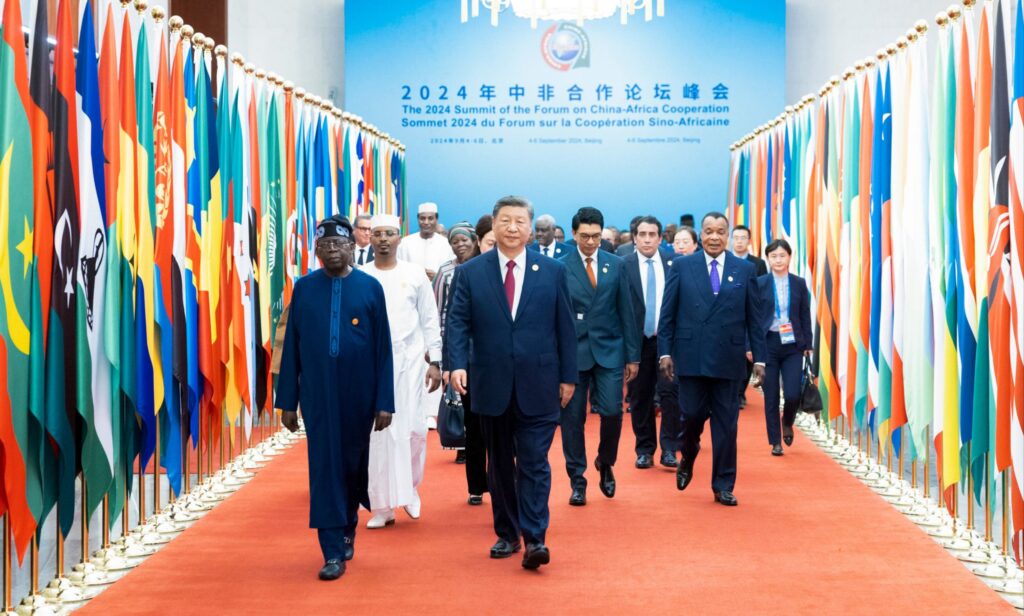
Despite these challenges, the new policy reflects China’s continued effort to deepen economic engagement with the African continent. Beijing has invested heavily in African infrastructure projects, industrial zones and manufacturing partnerships as part of its long term trade and development strategy.
For African governments, the tariff free initiative could provide a valuable opportunity to accelerate industrial policies aimed at boosting manufacturing and value addition. By investing in processing industries and export oriented production, countries may be able to take fuller advantage of access to China’s vast consumer market.
The policy also highlights the evolving dynamics of global trade as emerging economies seek stronger partnerships outside traditional Western markets. As Africa continues to implement the African Continental Free Trade Area, initiatives like China’s tariff exemption could interact with continental trade reforms to reshape supply chains and investment patterns.
Ultimately, the success of the tariff free regime will depend largely on how effectively African economies can respond to the opportunity. If supported by improvements in infrastructure, industrial capacity and export competitiveness, the policy could help expand Africa’s participation in global trade. Without such reforms, the benefits may remain limited despite the removal of tariffs.