

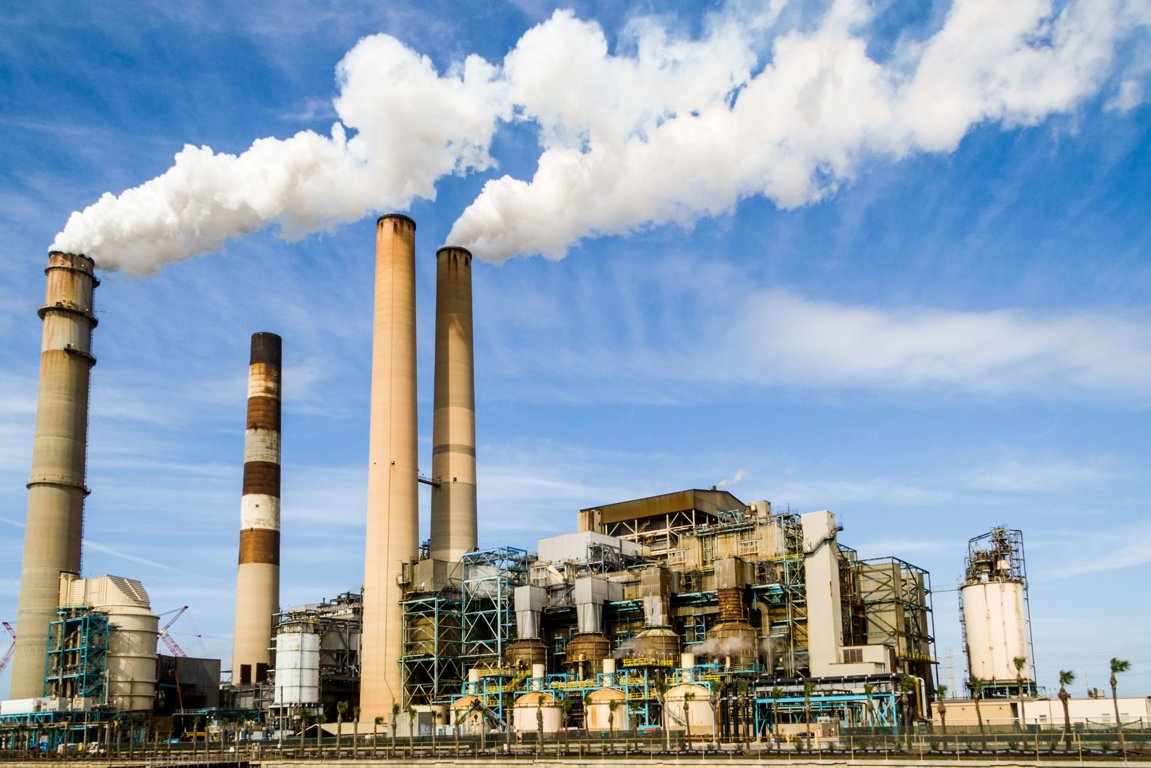
Russia has earned an estimated €6 billion in revenue from fossil fuel exports since the outbreak of the Iran war, according to new analysis by energy researchers. The surge in earnings reflects a sharp rise in global oil and gas prices triggered by escalating conflict in the Middle East and disruptions to major energy supply routes.
Data compiled by the Centre for Research on Energy and Clean Air indicates that Moscow’s export revenues from oil, gas and coal rose significantly in the weeks following the start of the conflict, which began on 28 February 2026 with military strikes involving the United States, Israel and Iran. In the first weeks of fighting alone, Russia earned roughly €510 million per day from fossil fuel exports, representing a 14 percent increase compared with the daily average recorded in February.
The increase in Russian energy revenue has been largely driven by surging global oil prices and fears of supply shortages as conflict in the Middle East threatens key production facilities and shipping routes. Analysts warn that the war has disrupted energy markets to such an extent that it could become one of the largest supply shocks in modern oil market history.
Rising prices fuel Moscow’s windfall
The Middle East plays a critical role in global energy supply, particularly through the Strait of Hormuz, a narrow waterway that handles roughly a fifth of the world’s oil shipments. The ongoing conflict has disrupted transportation through the region and forced many shipping companies to reroute tankers or delay shipments, tightening supply and pushing prices upward.
The spike in oil prices has been dramatic. Brent crude climbed above $100 per barrel as fears grew that large volumes of oil could be removed from global markets if the conflict intensifies or shipping lanes remain blocked. According to the International Energy Agency, the crisis could temporarily remove up to 10 million barrels per day from global production, creating a significant supply gap.
As global prices increase, major energy exporters such as Russia benefit from higher revenues for each barrel of oil sold. Even though Russian oil is often sold at discounted rates due to Western sanctions linked to the war in Ukraine, the overall rise in global prices has helped offset those discounts.
Increased demand for Russian energy
Russian officials have acknowledged that the Iran war has led to a noticeable increase in demand for Russian oil and gas. The Kremlin said international buyers were seeking alternative suppliers as uncertainty in the Middle East disrupted traditional supply routes.
Several countries that depend heavily on energy imports have reportedly turned to Russia as a reliable supplier during the crisis. Nations in Asia, particularly China and India, have become major buyers of Russian oil since Western sanctions reduced European imports. These markets have played a key role in sustaining Russia’s export revenues despite restrictions imposed after the invasion of Ukraine.
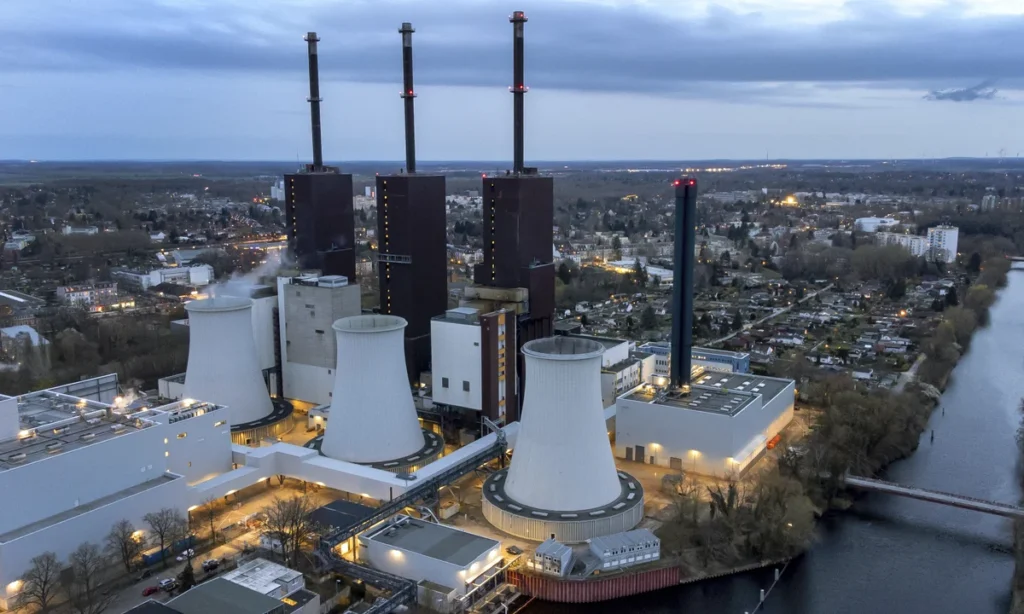
The shift in global trade flows has allowed Russia to maintain strong energy export levels. China alone accounts for a significant portion of Russian fossil fuel purchases, while India has also become one of the largest importers of discounted Russian crude.
Geopolitical implications
The surge in fossil fuel revenue has raised concerns among policymakers and analysts who argue that the financial windfall could strengthen Russia’s economic position at a time when Western governments are attempting to restrict its ability to finance military operations in Ukraine.
Critics warn that rising energy prices indirectly benefit Russia by boosting export revenues even when sanctions remain in place. Some experts say geopolitical crises frequently create opportunities for large energy exporters because price increases can compensate for reduced trade volumes.
There have also been political debates in the United States and Europe about whether sanctions on Russian oil should be adjusted to stabilize global markets if the Middle East conflict worsens. However, such moves could face criticism for potentially undermining efforts to pressure Moscow over the Ukraine war.
Global economic ripple effects
Beyond benefiting Russia, the energy shock caused by the Iran conflict is having broader economic consequences worldwide. Higher oil prices are expected to increase transportation costs, raise inflation and put pressure on industries that depend heavily on fuel.
Financial markets have already reacted to the instability, with stock markets showing volatility and governments exploring emergency measures to prevent shortages. Some countries have discussed releasing oil from strategic reserves to stabilize supply and prevent prices from rising further.
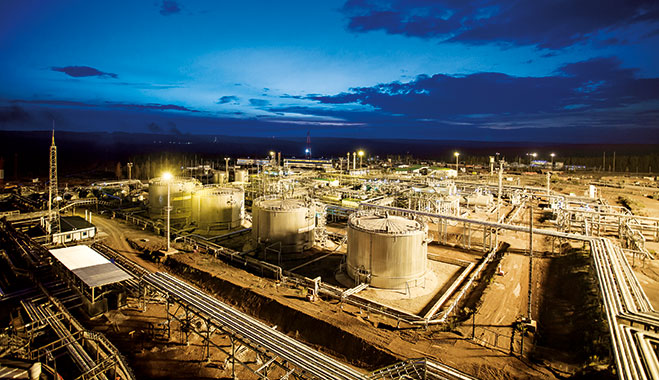
Economists warn that if the conflict in the Middle East continues to disrupt energy production and shipping routes, the global economy could face a prolonged period of high energy prices and economic uncertainty.
For now, Russia appears to be one of the immediate financial beneficiaries of the crisis. However, analysts say the long term impact will depend on how the conflict evolves and whether global energy supply stabilizes.
If tensions escalate and supply disruptions persist, oil prices could remain elevated for months, potentially allowing Russia to continue generating billions in additional revenue from fossil fuel exports. At the same time, prolonged instability could trigger wider economic shocks affecting countries across Europe, Asia and the developing world.