

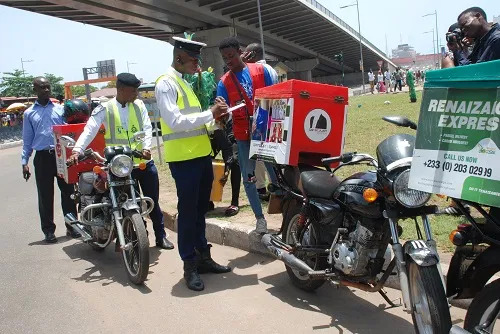
The government of Ghana has announced plans to begin a nationwide crackdown on unlicensed courier and delivery services starting April 1, 2026, as authorities move to regulate the rapidly expanding logistics and e commerce sector. The enforcement exercise will target companies and individual delivery riders operating without the required licences, with regulators warning that operators who fail to comply will face sanctions.
The directive was announced by Samuel Nartey George, Ghana’s Minister for Communications, Digital Technology and Innovations, during the launch of a new digital regulatory platform designed to improve oversight of the courier and logistics industry. According to the minister, operators have been given a short grace period to regularise their activities before the enforcement exercise begins at the start of April.
The government’s action is linked to the rollout of the Integrated Courier and Logistics Management System Ghana, a digital platform aimed at improving transparency, compliance and monitoring within the sector. The system is expected to streamline the registration process for courier companies and delivery riders while enabling regulators to track licensed operators and enforce industry standards more effectively.

Speaking at the launch event, the minister said all courier companies, dispatch riders and logistics operators must register on the new platform before March 31, 2026. The grace period, which began on March 12, gives businesses and independent riders a limited window to complete their registration and integrate their operations into the digital system.
“Once we have launched the ICOLMS today, the grace period runs from today until March 31,” the minister stated, stressing that enforcement will begin immediately after the deadline. He added that the exercise will be carried out in collaboration with the Ghana Police Service to ensure compliance nationwide.
Authorities have warned that operators who fail to register on the platform or obtain the required licences will face regulatory penalties once the enforcement campaign begins. These penalties could include fines, seizure of equipment or suspension of operations depending on the nature of the violation.
Rapid growth of courier services
The move comes as Ghana’s courier and delivery sector experiences rapid growth driven by the expansion of online shopping, food delivery services and digital platforms connecting riders to customers. Over the past few years, thousands of motorcycle riders have entered the industry, providing last mile delivery services in major cities such as Accra and Kumasi.
However, the speed at which the sector has grown has also raised concerns among regulators about safety standards, consumer protection and tax compliance. Officials say many operators have been working without proper licensing, making it difficult to monitor service quality or enforce legal obligations.
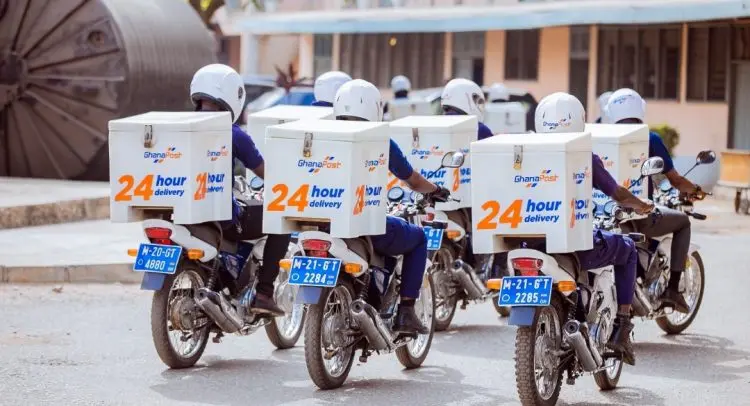
The courier industry is regulated by the Postal and Courier Services Regulatory Commission under Ghana’s postal and courier laws. These regulations require all courier companies and riders to obtain licences before operating commercially.
Despite these requirements, a large portion of the industry has remained informal. Reports from regulators previously suggested that only a small number of operators had obtained official licences, highlighting a significant compliance gap within the sector.
Earlier enforcement attempts and reforms
The government had earlier attempted to enforce courier licensing regulations in 2025, but the operation was temporarily halted following backlash from delivery riders and industry stakeholders. During that enforcement exercise, authorities seized motorcycles and arrested several operators who were found to be operating without licences.
The crackdown sparked protests among riders who argued that the registration fees and licensing requirements were too expensive and had been introduced without sufficient consultation.
Following the controversy, the Ministry of Communications intervened to suspend the enforcement exercise and initiate dialogue with industry stakeholders. Authorities subsequently revised the licensing framework and reduced some of the fees associated with registration in order to make compliance more affordable for riders and small courier companies.
The government also extended the compliance timeline to give operators more time to register under the new system.
Digitising regulation of the logistics sector
Officials say the new ICOLMS Ghana platform represents a major step toward modernising regulation of Ghana’s courier and logistics industry. By digitising registration and monitoring processes, regulators hope to improve efficiency while supporting the growth of e commerce and digital trade in the country.
The platform will allow authorities to maintain a central database of licensed operators and track courier activities more effectively. It is also expected to improve safety standards by ensuring that riders meet insurance, licensing and operational requirements.
Industry analysts say the initiative could help formalise the courier sector while boosting consumer confidence in delivery services.
With the April 1 deadline approaching, courier companies and delivery riders across Ghana are being urged to register on the new platform and obtain the necessary licences before enforcement begins.
Government officials say the crackdown is not intended to stifle innovation or entrepreneurship in the logistics sector but rather to ensure that the industry operates within a structured regulatory framework.
If successfully implemented, the initiative could help bring order to Ghana’s rapidly growing delivery economy while strengthening oversight, improving service standards and protecting consumers who increasingly rely on courier services for everyday transactions.