

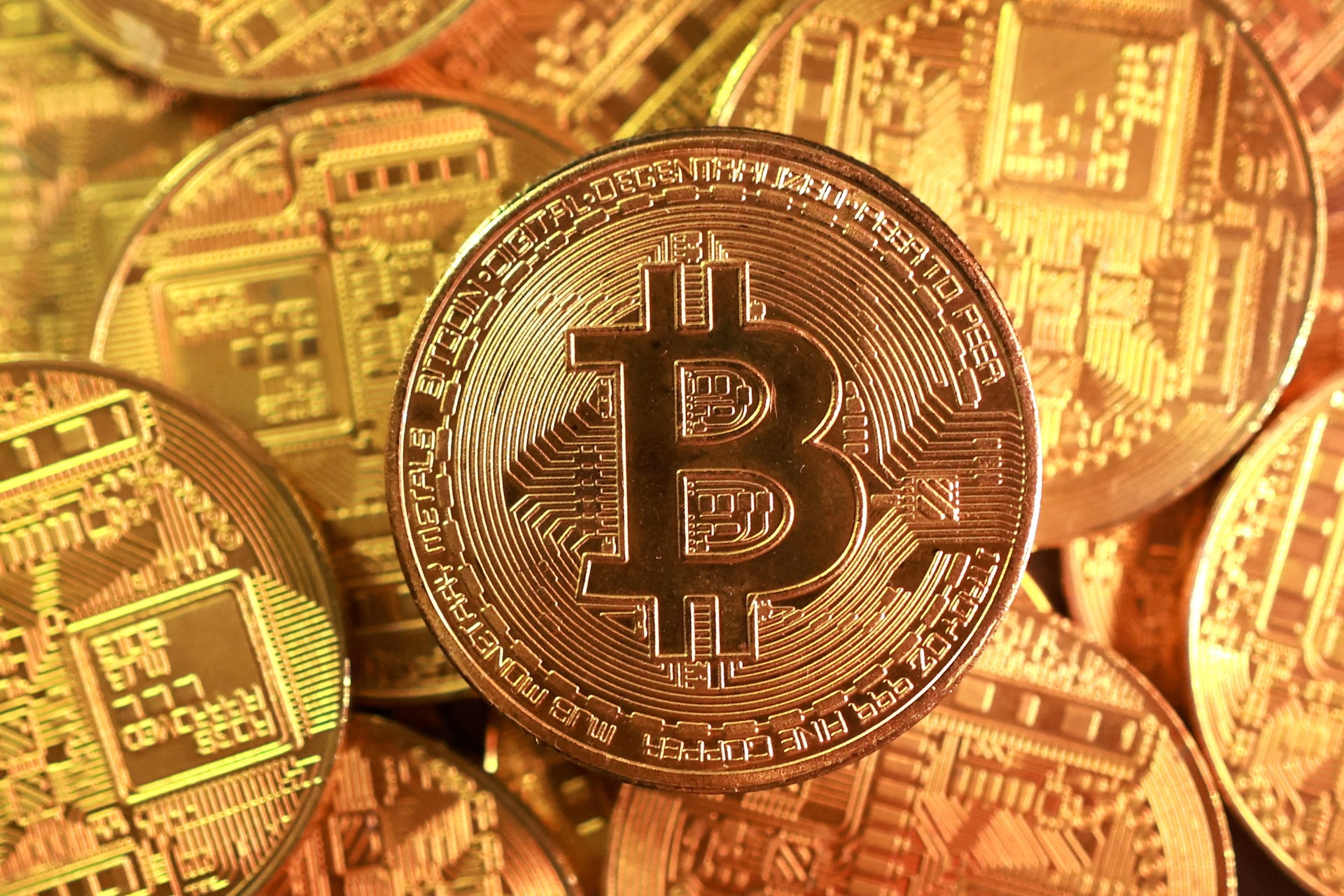
Bitcoin has emerged as one of the strongest performing major assets since the outbreak of the Iran conflict, outperforming both traditional safe haven assets and global equities in the days following the escalation of hostilities between the United States, Israel and Iran.
Market data shows that the world’s largest cryptocurrency has climbed roughly 7 percent since the first major strikes began on February 28, with prices rising to around 71,000 dollars on major exchanges. During the same period, gold prices have remained largely flat while the S&P 500 has slipped by about 1 percent, highlighting a surprising shift in market behaviour during geopolitical uncertainty.
The rally comes after a difficult period for Bitcoin earlier in the year. The cryptocurrency had experienced months of volatility and weakness, at one point falling to around 63,000 dollars after dropping nearly 50 percent from its all time high recorded in October. The latest surge therefore marks a significant recovery for digital assets, restoring some confidence among investors and traders in the crypto market.
Geopolitical tensions often trigger sharp movements across financial markets as investors search for safe places to store value. Traditionally, gold and government bonds have served that role during times of conflict or economic uncertainty. However, the recent conflict in the Middle East has offered another test of Bitcoin’s long debated status as a potential “digital gold”.
The price movements since the strikes suggest that at least some investors are increasingly viewing Bitcoin as a viable alternative store of value during periods of instability. Analysts say the structure of cryptocurrency markets may partly explain this performance.
Unlike traditional financial markets such as stock exchanges, cryptocurrency trading never closes. Digital assets can be bought and sold around the clock across global exchanges, allowing investors to respond instantly to geopolitical developments that occur outside normal banking hours.
Researchers in the digital asset sector argue that this constant market access has become a structural advantage for crypto assets. When the Iran conflict escalated during the weekend, cryptocurrency markets were effectively the only global trading venues open to investors seeking to react to the unfolding situation.
The ability to trade at any time allows crypto markets to absorb sudden shocks that might otherwise remain unpriced until traditional markets reopen. Analysts say this dynamic may partly explain why Bitcoin has managed to rebound quickly after the initial market reaction to the strikes.
When the attacks first occurred, Bitcoin briefly dropped toward the 63,000 dollar level before recovering rapidly as buyers stepped in. Within days, the cryptocurrency regained momentum and pushed back toward the 70,000 dollar mark, demonstrating resilience despite ongoing geopolitical uncertainty.
Other major cryptocurrencies have also experienced gains during the same period. Ethereum has risen roughly 7 percent to around 2,070 dollars, while Solana has climbed to approximately 87 dollars. The broader digital asset market has therefore moved largely in tandem with Bitcoin’s recovery, reflecting renewed investor appetite for crypto assets.

Political developments may also be influencing market sentiment. Investors reacted positively after comments from U.S. President Donald Trump suggesting that the conflict could soon come to an end. In an interview with CBS News, Trump said he believed the war was “very complete” and claimed Iran had “nothing left in a military sense”. Bitcoin reportedly gained about 4 percent following those remarks, as traders interpreted the comments as a signal that tensions could ease.
Despite the recent rally, analysts remain cautious about declaring Bitcoin a definitive safe haven asset. Historically, cryptocurrencies have often behaved like risk assets rather than defensive investments, frequently moving in the same direction as technology stocks and other high growth sectors.
Nevertheless, the latest performance provides a notable example of Bitcoin outperforming traditional financial assets during a period of global uncertainty. The cryptocurrency has shown resilience at a time when many investors expected gold or other traditional assets to lead market gains.
Market analysts say the next major test for Bitcoin will be whether it can break through key resistance levels near 72,000 to 73,000 dollars. Sustained trading above that range could signal a stronger momentum recovery following months of weakness in the crypto market.
For now, the digital asset sector is treating the recent surge as a positive signal after a challenging start to the year. If Bitcoin continues to outperform during periods of geopolitical stress, it may strengthen arguments among supporters that the cryptocurrency is gradually evolving into a new form of global financial hedge.
Bitcoin Price Correction: Should Investors Buy Bitcoin Below $100,000?