

Members of Parliament and human rights advocates have intensified calls for the government to urgently pass Ghana’s Anti-Witchcraft Bill, warning that continued delays leave vulnerable individuals, particularly women and girls, exposed to violence, social exclusion, and even death in some communities.
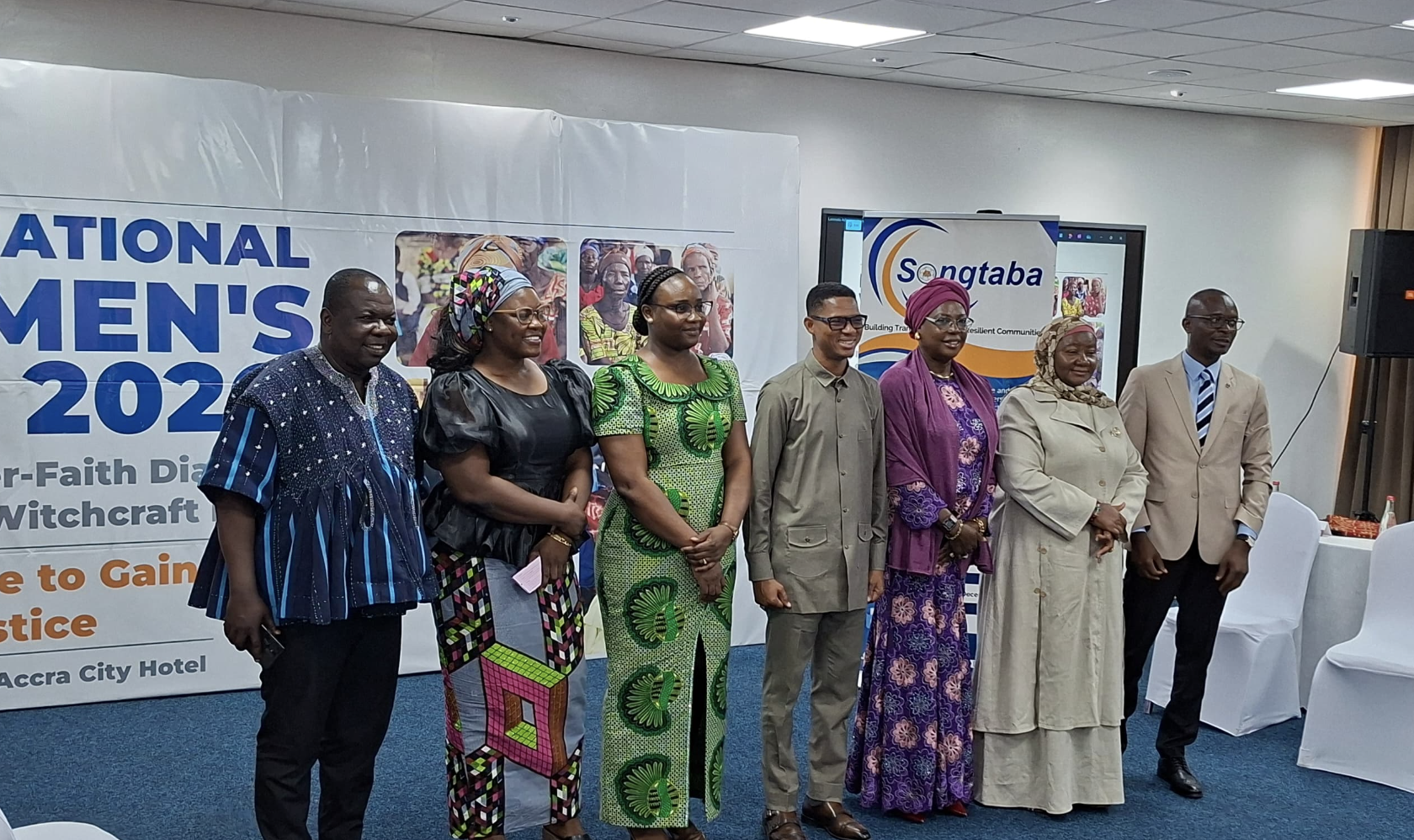
The renewed appeal was made during an Interfaith Dialogue on the Anti-Witchcraft Bill organised by Songtaba with support from Oxfam as part of activities marking the 2026 International Women’s Day. The forum brought together lawmakers, faith leaders, civil society organisations, and representatives of state institutions to examine the persistent problem of witchcraft accusations and discuss the need for stronger legal protection.
Speaking at the event, the Member of Parliament for Salaga South and Vice Chairperson of Parliament’s Gender, Children and Social Protection Committee, Zuwera Ibrahimah, emphasised that the protection of vulnerable citizens must remain a priority for the state. She noted that concerns about administrative or financial implications should not override the government’s responsibility to safeguard the rights and dignity of its people.
According to her, the prevalence of witchcraft accusations, particularly against elderly women and schoolgirls, demonstrates the urgent need for the legislation to be enacted. She explained that in some communities, young girls who excel academically, especially in subjects like mathematics, are sometimes branded as witches simply because of their achievements. Such accusations, she said, not only stigmatise the victims but also disrupt their education and diminish their potential contributions to national development.
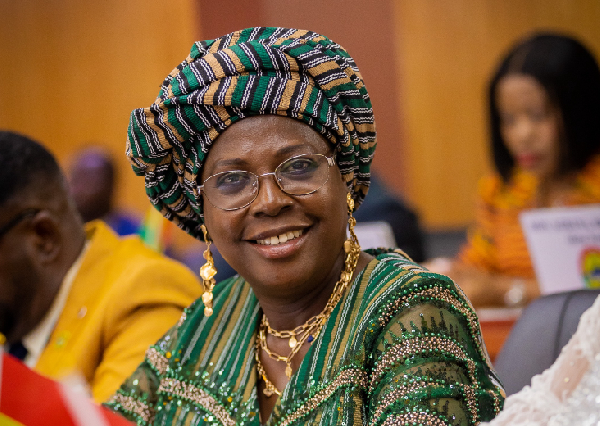
Madam Ibrahimah further indicated that the Gender Ministry is currently preparing to submit the bill to Cabinet for approval before it is presented to Parliament for consideration. She expressed confidence that the Ninth Parliament would support the proposed legislation once it is formally laid before the House.
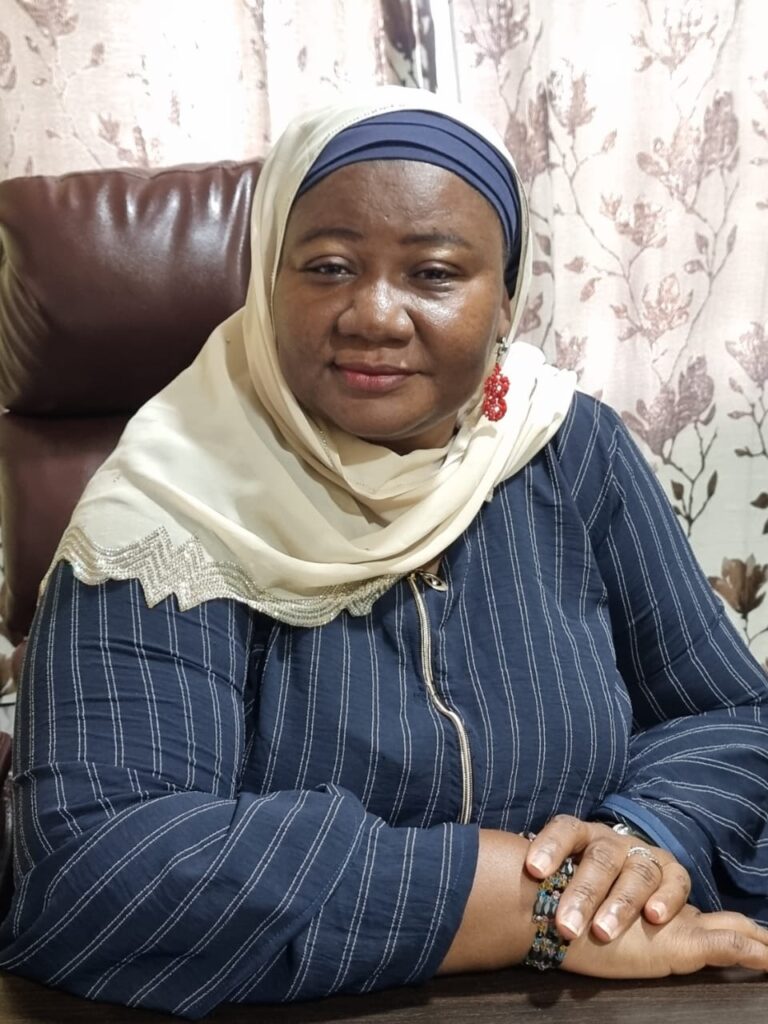
Also addressing the gathering, Hajia Lamnatu Adam, Executive Director of Songtaba, highlighted the widespread nature of witchcraft accusations in parts of Ghana, particularly in northern regions where several so called “witch camps” still exist. She noted that despite efforts by civil society organisations to reintegrate victims into their communities, many women continue to live in fear of violence and persecution.
Hajia Adam revealed that incidents of mob attacks linked to witchcraft accusations remain a serious concern. She cited a recent case in Bimbilla where a couple was forced to flee their home after being accused and threatened by members of their community. She also disclosed that several women were lynched last year following similar allegations.
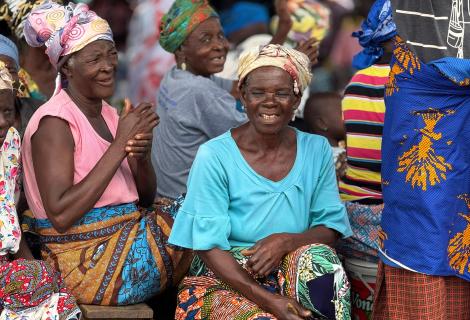
Providing updated data on the situation in some of the camps, she stated that 131 women currently reside at the Ngani Camp, 78 at the Gambaga Camp, and 20 at the Kpatinga (Pasimbana) Camp. While about 220 women have been successfully reintegrated into their communities through the interventions of civil society groups, she stressed that accusations and related abuses continue to occur.
Advocates argue that the proposed Anti-Witchcraft Bill would introduce crucial legal protections for victims. The legislation seeks to criminalise witchcraft accusations, prohibit witch-hunting practices such as forced exorcisms, and outlaw the operation of alleged witch camps.
In addition, the bill proposes comprehensive support systems for survivors, including psychosocial assistance, legal remedies, and programmes aimed at safe reintegration into their communities. It also mandates state institutions to prevent, investigate, and prosecute acts of violence or discrimination arising from witchcraft allegations, in line with Ghana’s constitutional guarantees of human dignity and personal security.
Supporters of the legislation believe that passing the bill will mark an important step toward ending harmful traditional practices and protecting vulnerable individuals from abuse. They maintain that decisive action by Parliament and the government will demonstrate Ghana’s commitment to upholding human rights and ensuring justice for all citizens.