

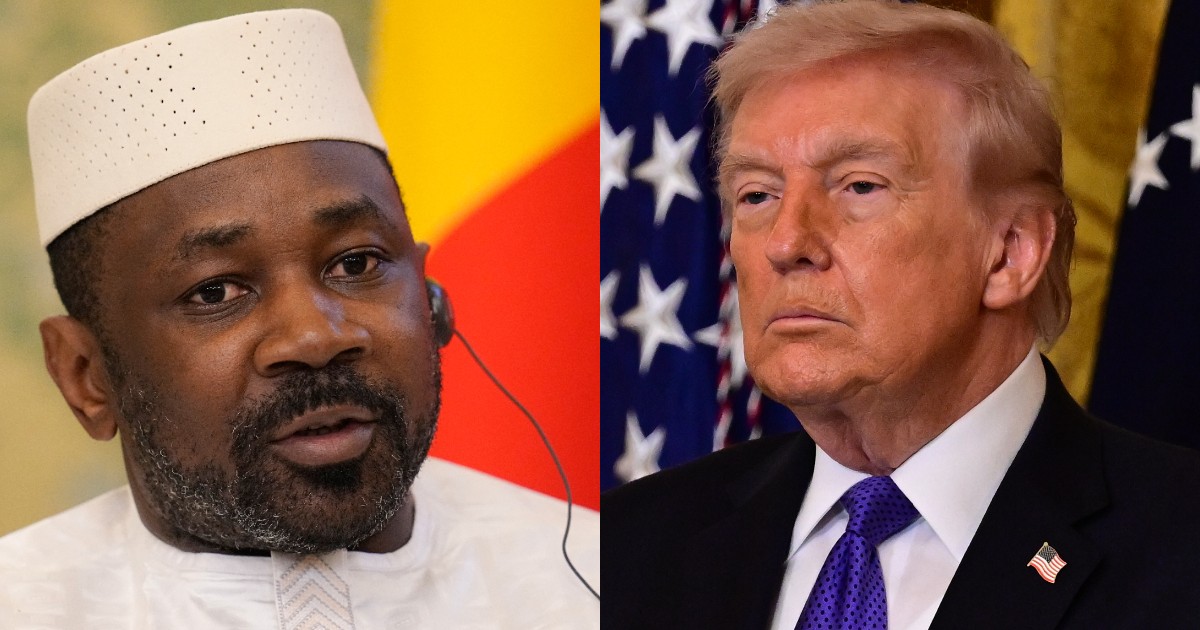
The United States and Mali are reportedly moving closer to restoring security cooperation through a new intelligence sharing arrangement that would allow American surveillance aircraft and drones to resume operations across the Sahel. The proposed agreement reflects a shift in Washington’s strategy toward the region as it seeks to address growing security threats while rebuilding relations with governments that had previously distanced themselves from Western partners.

According to officials familiar with the discussions, the emerging deal would permit the United States to conduct intelligence gathering flights over Mali and other parts of the Sahel in order to track militant groups linked to al Qaeda and other extremist networks operating in the region. The surveillance operations are expected to focus on monitoring insurgent activity, improving early warning systems, and strengthening regional counterterrorism coordination.
If finalized, the agreement would represent a significant step toward rebuilding the security relationship between Washington and Bamako after several years of strained ties. Relations between the two countries deteriorated following political upheaval in Mali and the growing influence of alternative security partners in the region. Analysts say the renewed cooperation indicates that both sides are seeking pragmatic solutions to address the escalating militant threat in the Sahel.
Strategic importance of the Sahel
The Sahel region, which stretches across several West and Central African countries, has become one of the world’s most volatile security environments. Armed groups affiliated with al Qaeda and the Islamic State have expanded their operations in recent years, carrying out attacks, kidnappings, and cross border insurgencies that have destabilized governments and displaced millions of people.
Mali has been particularly affected by this violence. Large areas of the country remain contested by militant groups that operate across porous borders with neighbouring states such as Burkina Faso and Niger. These extremist networks have increasingly relied on kidnappings, attacks on military bases, and control of remote territories to expand their influence.
For the United States, restoring intelligence capabilities in the Sahel is considered essential for tracking these movements and preventing further expansion of militant networks. Intelligence flights using drones and surveillance aircraft are expected to provide critical data that can assist local forces and regional partners in counterterrorism operations.
Diplomatic steps toward renewed cooperation
One of the key developments that helped advance negotiations was Washington’s decision to lift sanctions previously imposed on several Malian officials. The sanctions had been introduced over concerns about alleged links between Mali’s leadership and foreign military contractors, but their removal was viewed as a diplomatic gesture aimed at reopening channels of cooperation.
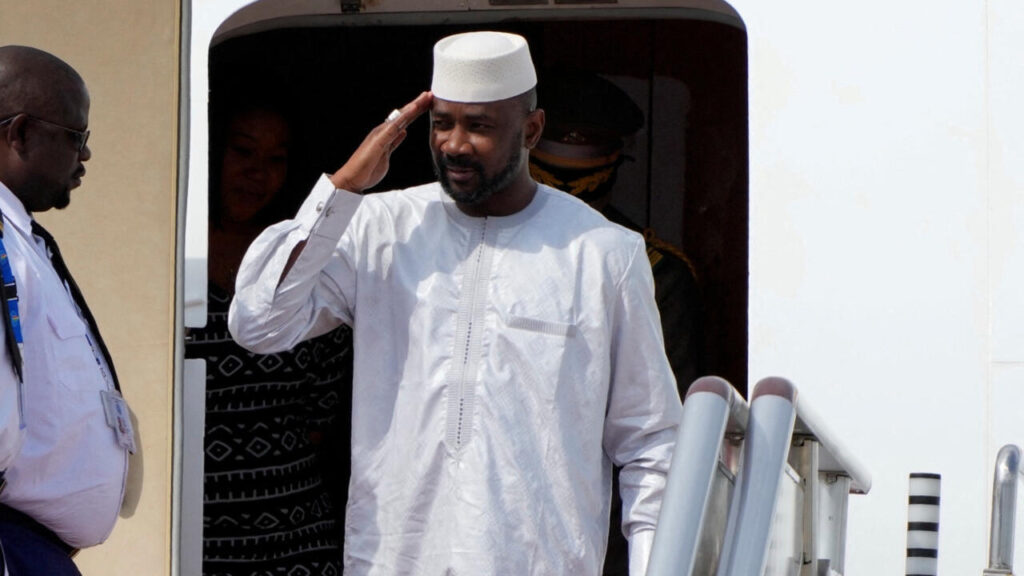
Diplomatic engagement between the two countries has also intensified in recent months, with high level meetings between U.S. envoys and Malian officials focusing on rebuilding trust and exploring areas of security collaboration. Officials involved in the discussions say both governments recognize the need for coordinated action to combat extremist threats that continue to destabilize the region.
Search for missing American pilot
Another factor driving the renewed cooperation is the ongoing search for an American pilot believed to have been abducted by militants in the region. U.S. officials suspect the pilot is being held somewhere in Mali by a jihadist group affiliated with al Qaeda. Intelligence gathering operations could help locate the hostage and disrupt the networks responsible for the kidnapping.
Kidnapping has become a major source of funding for extremist organizations operating in the Sahel. Armed groups frequently target foreign nationals, aid workers, and local officials in exchange for ransom payments, making intelligence operations a key component of efforts to dismantle these criminal networks.
Shifting geopolitics in the Sahel
The potential agreement comes at a time of significant geopolitical shifts in the region. In recent years, several Sahelian governments have distanced themselves from traditional Western partners following military coups and political transitions. This shift has reshaped the security landscape and forced external powers to rethink their engagement strategies.
Western military operations in the Sahel have also changed significantly. France, which once led major counterterrorism missions in the region, scaled back its military presence after years of costly operations. The United States similarly reduced its footprint, including the closure of key drone bases that had supported surveillance missions across the region.
The new intelligence arrangement with Mali therefore signals a potential recalibration of U.S. policy. Rather than large troop deployments, Washington appears to be focusing on intelligence support, surveillance technology, and targeted cooperation with regional partners.
Implications for regional security
Security analysts say the proposed partnership could improve the ability of governments in the Sahel to monitor militant activity and coordinate counterterrorism operations. Drone surveillance, satellite imagery, and real time intelligence sharing are increasingly seen as essential tools in combating insurgent networks operating across vast desert territories.
At the same time, experts caution that intelligence operations alone may not be enough to resolve the region’s deep rooted security challenges. The Sahel’s instability is driven by a complex mix of factors including weak governance, economic hardship, ethnic tensions, and competition over natural resources.
Nevertheless, the proposed U.S. Mali drone intelligence deal marks a potentially important turning point in efforts to stabilise the region. By restoring channels of cooperation and strengthening surveillance capabilities, both countries hope to contain the growing threat posed by militant groups and prevent further destabilisation across the Sahel.
If finalized, the agreement could signal the beginning of a broader shift in international engagement with the region, where intelligence sharing and targeted security partnerships play a larger role in addressing one of Africa’s most persistent security crises.