

The Government of Ghana has introduced a new policy banning the land transit of several imported commodities, including sugar, flour and textiles, as part of a broader effort to strengthen border controls and prevent revenue losses. The directive forms part of measures aimed at tightening oversight of goods entering the country and improving tax compliance within the import sector.
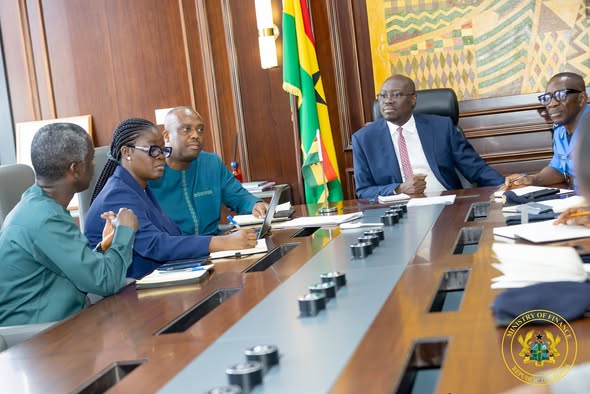
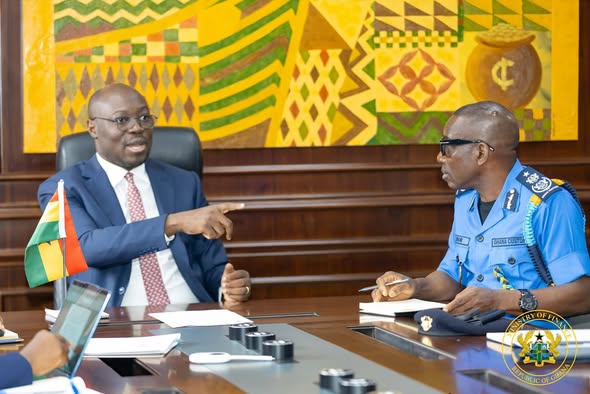
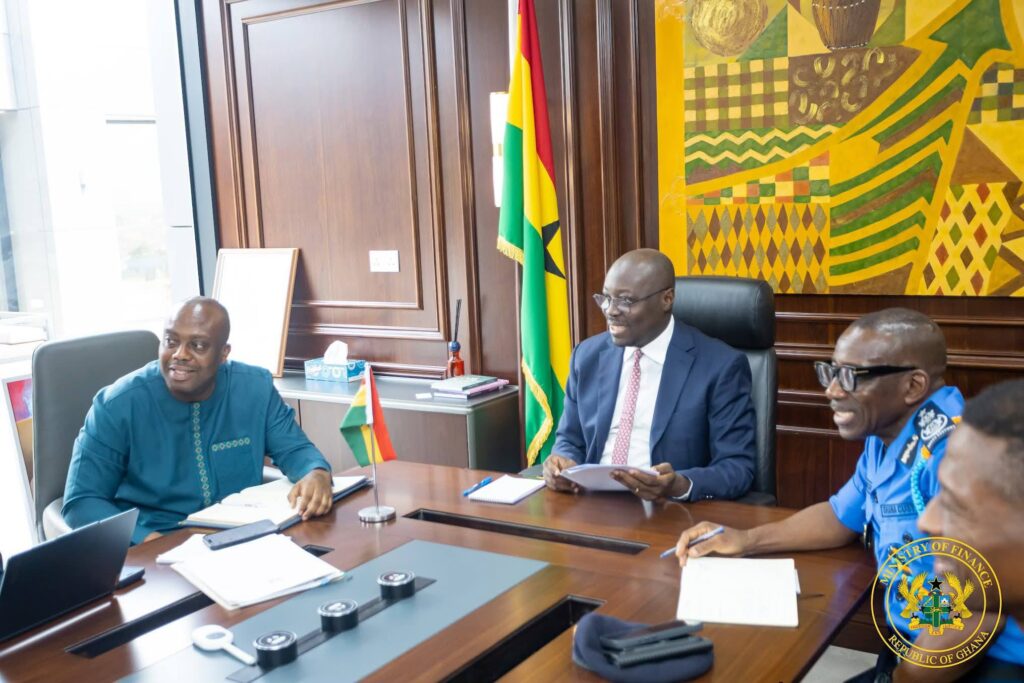
The decision was announced by the Minister for Finance, Dr. Cassiel Ato Forson, following a high level meeting with officials from the Customs Division of the Ghana Revenue Authority (GRA). The discussions focused on recent developments at Ghana’s borders and the need to address weaknesses in the transit system that have allowed some importers to evade duties and taxes.
Goods affected by the ban
Under the new directive, several commonly traded goods will no longer be allowed to enter Ghana or transit through the country via land borders. Instead, the affected products must be routed exclusively through Ghana’s seaports, where customs authorities have stronger monitoring and valuation systems in place.
The restricted products include sugar, flour, textiles, rice, cooking oil, frozen foods, canned tomatoes, pasta and spaghetti, as well as pharmaceutical products. The government believes routing these imports through seaports will help reduce opportunities for smuggling and ensure that all applicable duties and taxes are properly collected.
Officials say the move represents a major shift in Ghana’s trade and border management strategy and is expected to reshape how certain goods are imported and transported within the country and across the sub region.
Efforts to close revenue leakages
Authorities say the new measures are designed to address long standing revenue leakages associated with land based transit trade. According to government officials, weaker monitoring systems at some land border points have allowed certain importers to under declare goods, misclassify cargo, or divert transit consignments into the domestic market without paying the appropriate taxes.
The policy also follows recent enforcement operations in which customs officials intercepted large consignments of goods suspected to be part of tax evasion schemes. In one case, thousands of packages of cooking oil, tomato paste and pasta were seized at the border, with authorities estimating that the shipment represented tens of millions of Ghana cedis in potential lost tax revenue.
By directing these goods through seaports instead of land borders, customs officials will be able to conduct more thorough cargo inspections, valuation checks and documentation verification.
Strengthening ccustoms administration
Alongside the transit ban, the Finance Minister has also ordered reforms within the Customs Division of the Ghana Revenue Authority aimed at improving efficiency and coordination. One key measure involves the recentralisation of the Customs Technical Services Bureau, the unit responsible for customs valuation and technical assessments of imported goods.
The restructuring will create a centralised system for cargo valuation and strengthen intelligence sharing among customs officers. Authorities believe this will help detect irregularities in import documentation and reduce opportunities for under invoicing and tax evasion.
The government also plans to enhance the use of digital tools such as the Publican artificial intelligence system, which helps customs officials analyse data and identify suspicious trade patterns. These technologies are expected to improve risk detection and strengthen border enforcement.
Impact on regional trade
The directive is likely to affect trade flows across West Africa, particularly goods transported through Ghana’s northern land corridors to neighbouring countries. Traders, clearing agents and logistics operators may need to adjust their supply chains to comply with the requirement that the listed products enter the country through designated seaports.
While the measure may initially slow some cross border trade routes, government officials argue that stronger monitoring is necessary to protect public revenue and maintain fairness within the import system.
Part of broader fiscal reforms
The transit restrictions come at a time when Ghana is intensifying efforts to improve domestic revenue mobilisation as part of broader fiscal reforms. Strengthening tax administration and reducing leakages within the import system are key components of the government’s strategy to stabilise public finances and support economic recovery.
Authorities have therefore instructed all departments within the Customs Division of the Ghana Revenue Authority to ensure strict enforcement of the new measures with immediate effect.
Officials believe the policy will not only protect government revenue but also improve transparency in the country’s import regime by ensuring that high value goods pass through properly monitored entry points.