

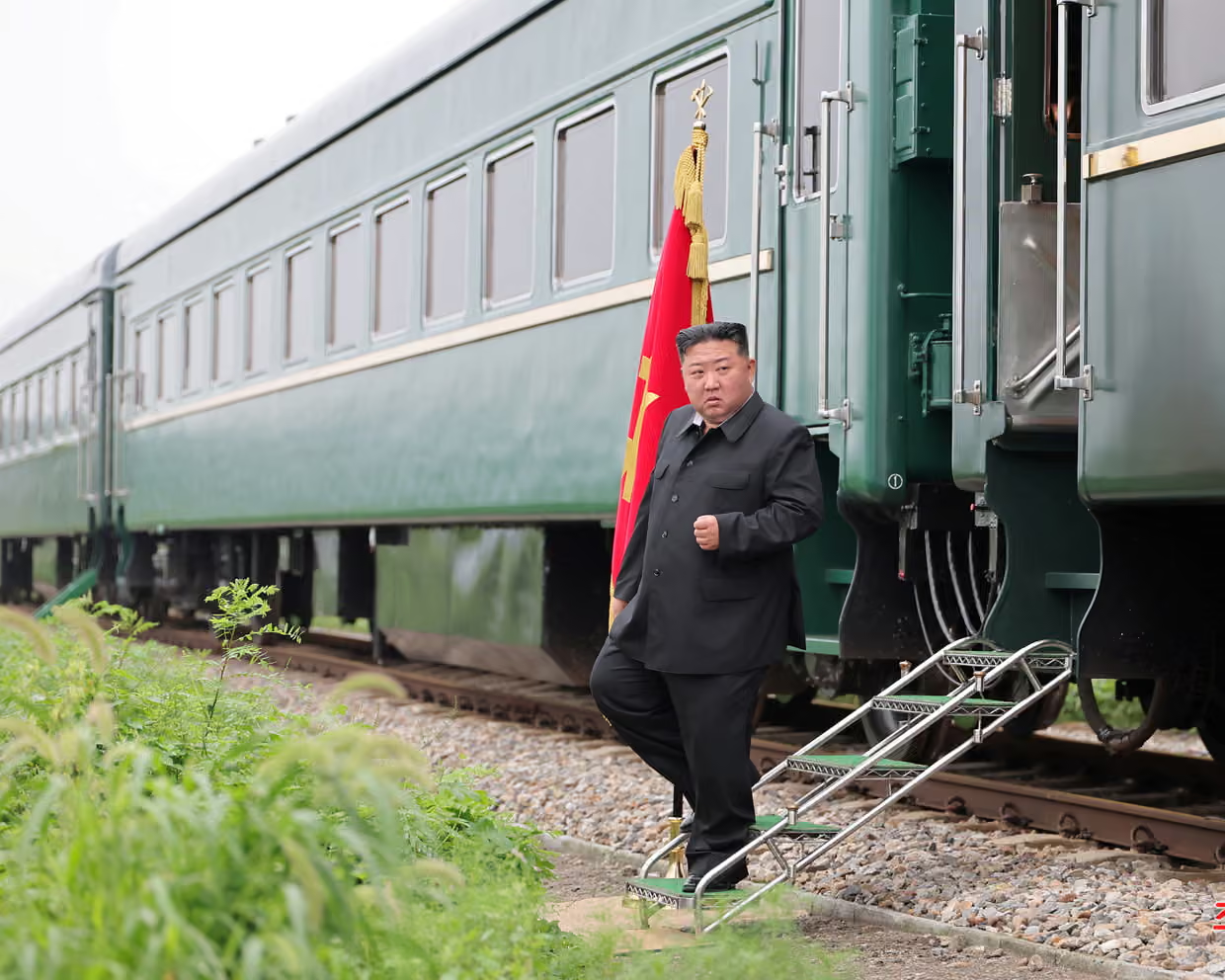
Passenger train services between China and North Korea are set to resume this week, marking the first time the international rail connection has operated in about six years following its suspension during the COVID 19 pandemic. The restoration of the rail link is being viewed as an important step toward gradually reopening cross border travel and economic interaction between the two neighboring countries.
The trains, which run between Beijing and North Korea’s capital Pyongyang, were halted in early 2020 when Pyongyang imposed strict border closures to prevent the spread of the coronavirus. North Korea implemented some of the world’s most stringent pandemic controls, shutting its borders almost completely and sharply limiting international travel and trade.
According to railway officials and reports from regional authorities, the revived service is expected to begin with limited capacity. The trains will initially operate several times per week and will mainly carry diplomats, government officials, and individuals travelling for official business. Ticket sales for the general public may be allowed later if additional seats become available.
Key cross border route
The rail corridor between China and North Korea is one of the most important transportation links connecting the two countries. Historically, passenger trains have operated from Beijing to Pyongyang via the Chinese border city of Dandong, crossing into North Korea through the Sino Korean Friendship Bridge near Sinuiju.
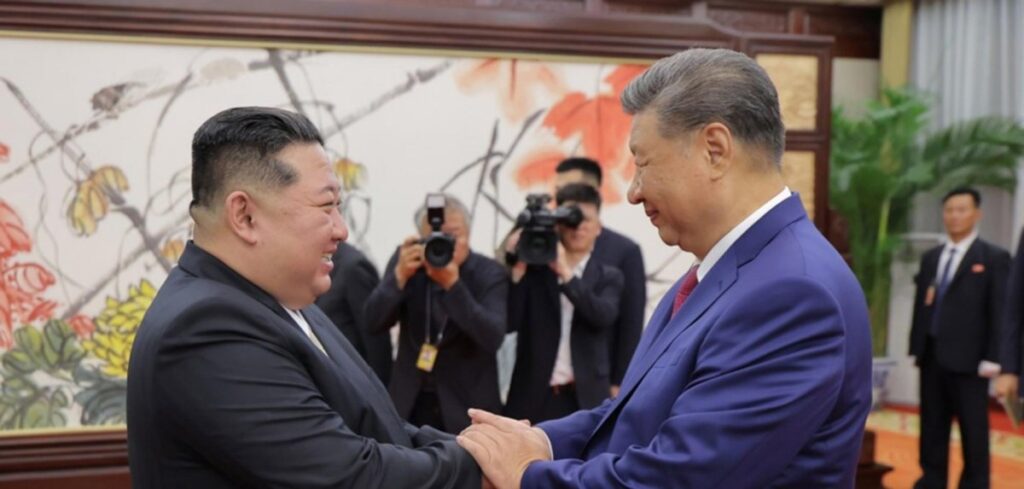
The Dandong Pyongyang section of the railway spans about 228 kilometers and typically takes roughly seven to eight hours to complete. The route has been in operation for decades and has served as a major channel for travellers, traders, diplomats, and workers moving between the two nations.
Before the pandemic, passenger services on the route ran frequently and were also used by tourists visiting North Korea through specialized tour operators. However, North Korea’s strict border controls brought international tourism to a near standstill beginning in 2020.
Gradual reopening of North Korea
The decision to restore the rail connection reflects North Korea’s cautious approach to reopening its borders after years of isolation. While China reopened its borders earlier, North Korea has been slower to resume international travel links.
In recent months, however, the country has begun restoring some transportation routes with selected partners. Passenger rail services between Pyongyang and Russia resumed in 2025 after a similar pandemic suspension, and limited international flights have gradually restarted as well.
These steps suggest that Pyongyang is slowly easing its pandemic restrictions while still maintaining tight control over cross border movement.
Economic and strategic significance
China is by far North Korea’s largest trading partner and economic ally. Before the pandemic, the majority of North Korea’s external trade flowed through Chinese border crossings, making transportation links such as rail services vital for commerce and supply chains.
The resumption of passenger trains could therefore help revive business travel, diplomatic engagement, and limited cross border exchanges. Analysts say the move may also support trade coordination and economic cooperation between the two countries as North Korea attempts to stabilize its economy after years of pandemic isolation.
The reopening may also carry diplomatic significance. Beijing remains a crucial political partner for Pyongyang and often plays an important role in regional diplomacy involving the Korean Peninsula. Restoring transportation links can signal improving ties and renewed cooperation between the two governments.
Limited access for tourists
Despite the restart of passenger trains, tourism to North Korea is still expected to remain highly restricted. Travel operators say the first services will likely prioritize Chinese citizens working or studying in North Korea as well as North Koreans travelling for official purposes or family visits.
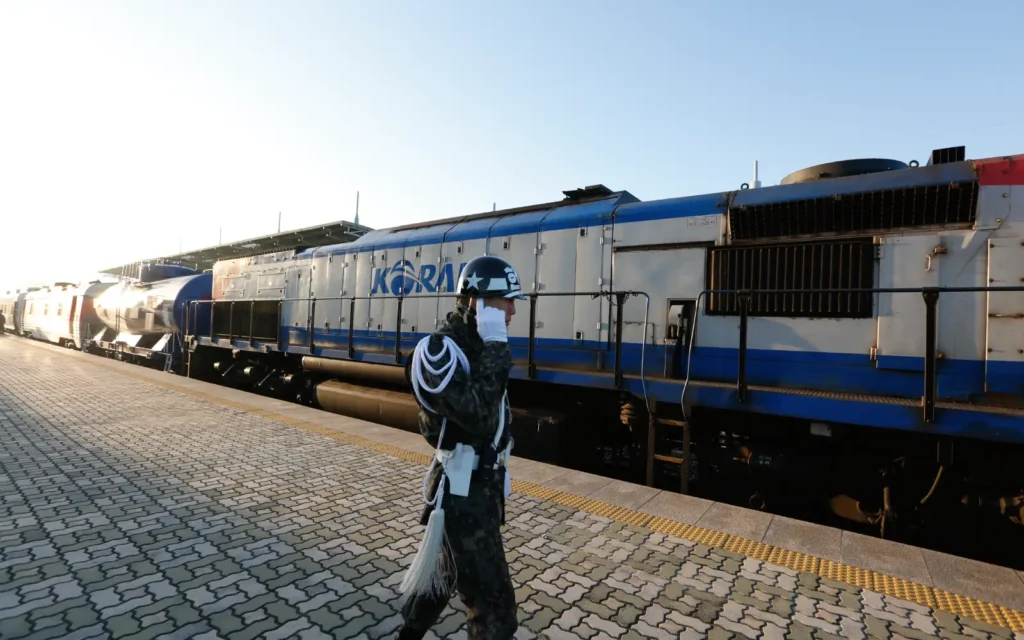
Foreign tourists, who once formed a niche but important travel market for the country, are unlikely to be allowed to use the service immediately. Travel companies that previously organized tours to North Korea have indicated that tourist access may only return gradually once the government fully reopens the country to international visitors.
The resumption of China North Korea train services marks a symbolic milestone in the region’s recovery from pandemic era restrictions. After years of near total isolation, the reopening of this historic rail link could pave the way for broader transportation and trade connections to gradually return.
However, experts note that North Korea is expected to continue reopening cautiously, balancing economic needs with the government’s longstanding emphasis on border control and political security. For now, the restarting of passenger trains represents a carefully controlled step toward reconnecting with the outside world after one of the longest pandemic closures anywhere in the world.