

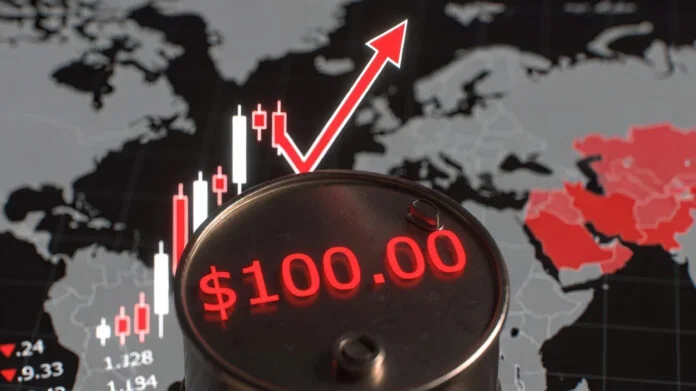
Global oil markets have been thrown into turmoil after crude prices surged past $100 per barrel, triggered by escalating conflict involving Iran and growing fears of a major disruption to global energy supplies. The dramatic price increase marks the first time oil has crossed the $100 threshold since 2022 and highlights the profound impact geopolitical tensions in the Middle East can have on global commodity markets.
The sharp rise in oil prices has been driven largely by the intensifying war involving Iran and the United States Israel alliance, which has threatened energy infrastructure, shipping routes and production across the Middle East. Analysts warn that the crisis could trigger prolonged instability in global oil markets and push prices even higher if the conflict continues.
Oil prices climb rapidly
Crude prices surged dramatically in early March 2026 as traders reacted to the growing conflict and fears of supply shortages. Brent crude, the international benchmark, rose to well above $110 per barrel while U.S. West Texas Intermediate (WTI) crude climbed to roughly similar levels. In some trading sessions, prices jumped by nearly 30 percent compared with previous weeks.
In the days following the escalation of the conflict, Brent crude reached around $118 per barrel while WTI crude traded close to the same level. The surge represented one of the largest short term increases in oil prices in recent years and has raised concerns about global inflation and economic stability.
Financial analysts say the rally reflects fears that the conflict could significantly reduce oil production and exports from one of the world’s most critical energy producing regions.
Disruption to global supply routes
A major factor driving the price spike is the disruption to shipping through the Strait of Hormuz, one of the most important oil transit routes in the world. Roughly 20 percent of global oil supply passes through the narrow waterway linking the Persian Gulf to international markets.
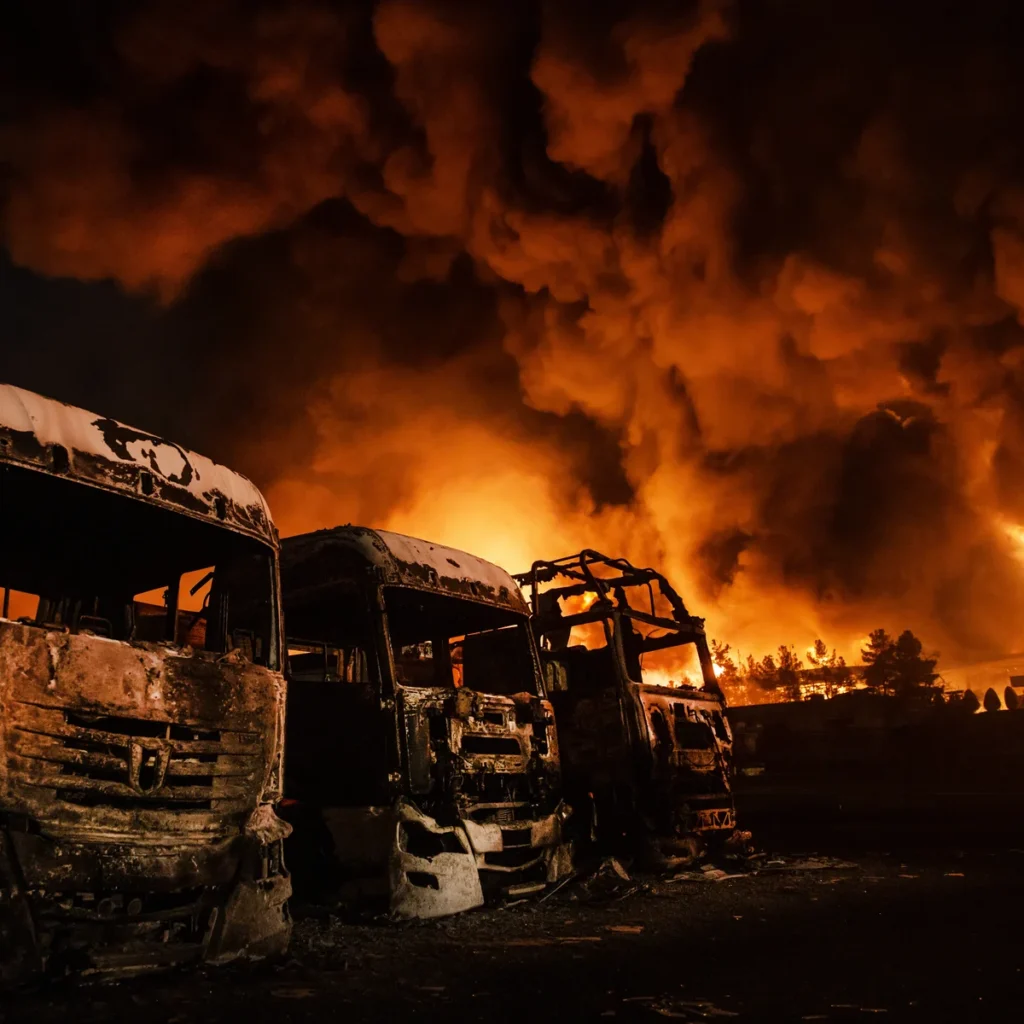
Escalating hostilities have forced many tankers and shipping companies to avoid the region due to safety concerns. In some cases, vessel traffic through the strait has fallen sharply as shipping firms suspend operations or reroute cargo around longer and more expensive routes.
Any prolonged restriction of this route could significantly disrupt global energy flows, pushing prices even higher and potentially triggering shortages in major oil importing regions such as Asia and Europe.
Attacks on energy infrastructure
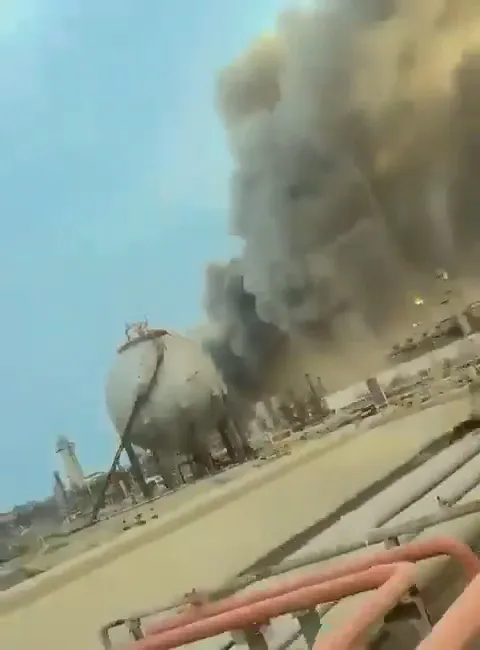
The conflict has also seen attacks targeting key energy facilities across the Middle East. Drone strikes and missile attacks have hit oil storage facilities, refineries and related infrastructure in several countries, raising fears that further disruptions could occur.
One notable incident involved a drone attack on the Ras Tanura refinery in Saudi Arabia, one of the largest refining facilities in the country. Although the physical damage was limited, production was temporarily halted for security reasons, adding to the strain on global supply.
Strikes on Iranian fuel depots and storage facilities have also intensified the conflict and heightened uncertainty in global energy markets.
Global economic implications
The surge in oil prices is expected to have far reaching economic consequences. Higher crude prices typically translate into increased costs for transportation, manufacturing and electricity generation, which can fuel inflation worldwide.
Commodity markets have already reacted strongly to the crisis. Agricultural commodities, including palm oil and soybean oil, have risen sharply as higher energy costs push up production and transport expenses. Some industrial metals have also experienced price volatility amid broader market uncertainty.
Economists warn that a sustained oil shock could slow global economic growth and complicate efforts by central banks to control inflation.
Impact on Africa and emerging economies
Many African countries are particularly vulnerable to rising oil prices because they rely heavily on imported petroleum products. Higher crude prices often translate into increased fuel costs, which can drive inflation, raise transportation expenses and strain government budgets.
While oil producing countries such as Nigeria or Angola may benefit from higher crude prices, many nations including Ghana still import refined fuel products, meaning consumers may face rising pump prices and higher living costs.
The current crisis therefore poses both risks and opportunities for African economies depending on their position in the global energy supply chain.
Energy analysts say oil prices could remain volatile in the coming weeks as the geopolitical situation evolves. Some market forecasts suggest prices could rise well beyond $120 per barrel if the conflict intensifies or if shipping disruptions continue.
Major oil producing countries and international organizations may attempt to stabilize the market by increasing production or releasing emergency oil reserves. However, such measures may only partially offset the supply disruptions caused by the conflict.
For now, the war involving Iran has once again demonstrated how geopolitical tensions in the Middle East can rapidly reshape global energy markets, pushing prices sharply higher and triggering ripple effects throughout the global economy.