

The government of Ghana has announced plans to inject 2,000 megawatts of renewable energy into the national power grid over the next five years to support the development of the Volta Economic Corridor, a major initiative designed to accelerate industrialisation and expand export driven economic growth. The ambitious energy plan is expected to strengthen electricity supply along the Volta basin while positioning the corridor as a major hub for manufacturing, agriculture and logistics.
The proposed renewable energy expansion forms part of a broader strategy by the government to diversify Ghana’s energy mix and reduce reliance on fossil fuel based power generation. Officials say the initiative will prioritise solar, wind and other clean energy technologies to ensure that future industrial development in the corridor is powered by sustainable electricity sources. The project is expected to complement the country’s long term energy transition goals while helping meet rising demand for electricity from industries and growing urban centres.
The Volta Economic Corridor is envisioned as a large scale economic zone built around the Volta River basin, stretching across several regions of Ghana. The initiative aims to unlock the economic potential of communities along the river by improving infrastructure, expanding transportation networks and promoting industrial clusters linked to agriculture, mining and manufacturing.
Government officials say energy supply will be a critical factor in ensuring the success of the corridor. Reliable and affordable electricity is essential for factories, agro processing plants and export oriented industries expected to operate within the zone. The planned 2,000 megawatt renewable energy injection is therefore intended to create a stable power base capable of supporting large scale industrial activities without placing excessive pressure on Ghana’s existing power generation infrastructure.
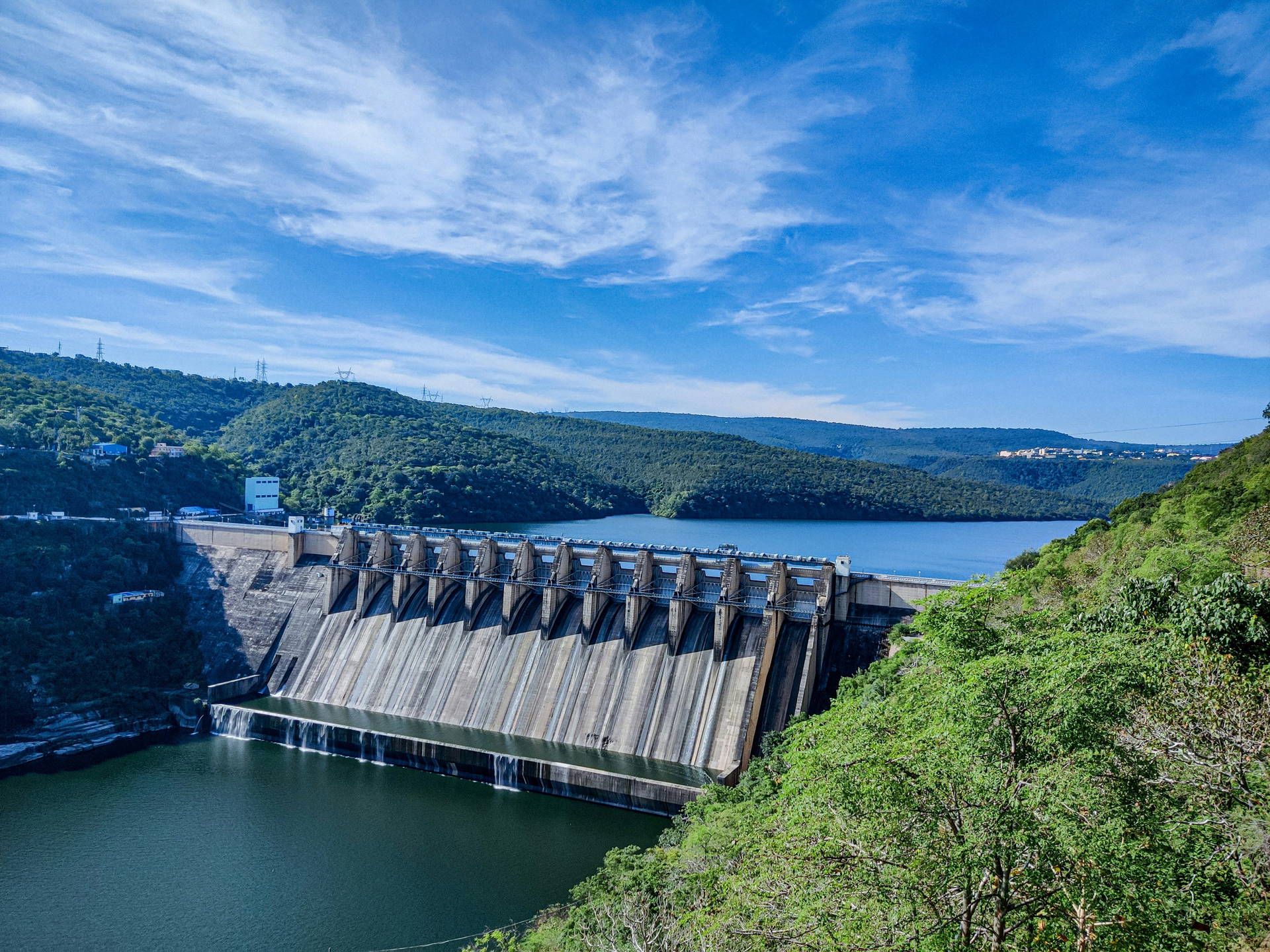
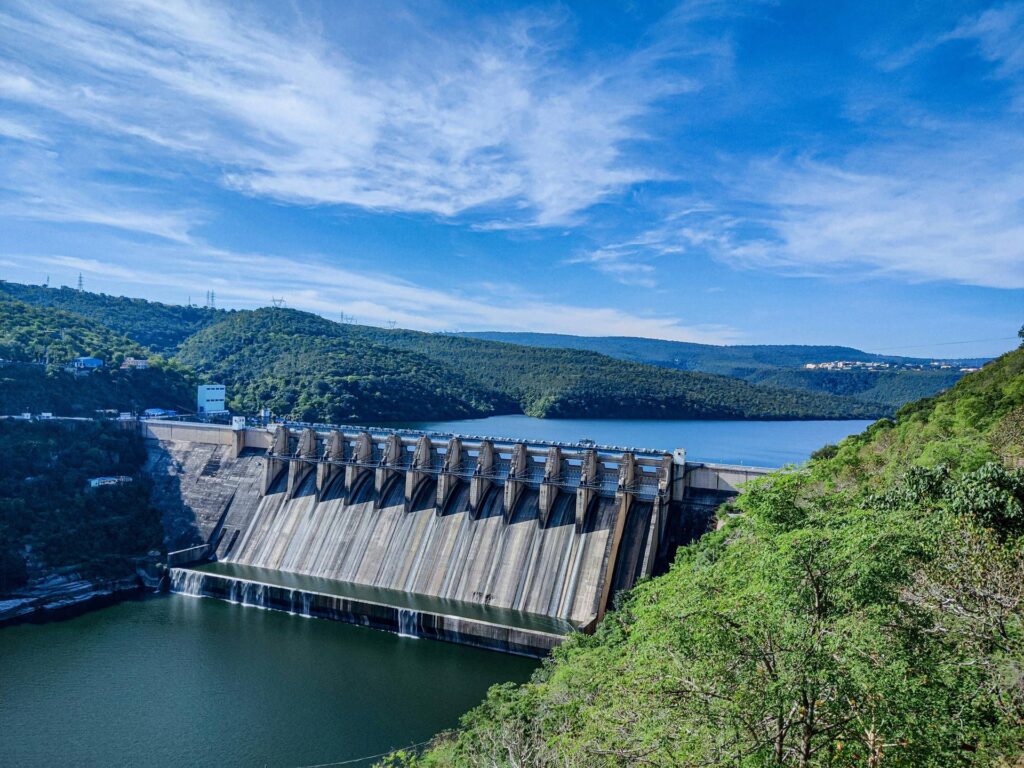
The country already has a diverse power generation system that includes hydroelectric plants, thermal power stations and emerging renewable projects. A major component of the existing electricity supply is the Akosombo Dam, which has historically served as the backbone of Ghana’s power generation capacity since it was commissioned in the 1960s. Operated by the Volta River Authority, the dam provides hydroelectric power to millions of homes and businesses across the country.
However, energy experts say Ghana’s electricity demand is growing rapidly due to population growth, industrial expansion and increased use of digital technologies. This has prompted policymakers to explore new power generation sources to ensure long term energy security. Renewable energy development has emerged as a key priority because it can provide additional capacity while reducing environmental impact and lowering long term generation costs.
The government’s plan aligns with Ghana’s renewable energy policy targets, which aim to significantly increase the share of renewable sources in the national electricity mix. Solar energy has particularly strong potential due to Ghana’s high levels of sunlight throughout the year. Several solar farms have already been developed in different parts of the country, and new projects are being planned to expand capacity further.
Wind energy is also being explored as part of the broader renewable strategy, especially in coastal and elevated regions where wind speeds are suitable for electricity generation. By combining multiple renewable sources, policymakers hope to create a more resilient power system that can meet future demand while limiting greenhouse gas emissions.
The Volta Economic Corridor project itself is expected to include a range of infrastructure developments designed to transform the region into a major economic gateway. These plans include improvements to river transportation systems, the expansion of irrigation networks to support commercial agriculture and the construction of industrial parks and logistics centres. By integrating transportation, energy and industrial infrastructure, the government hopes to stimulate investment and attract both local and international businesses.
Economic planners believe the corridor could play a major role in boosting Ghana’s export capacity by enabling large scale processing of agricultural commodities and raw materials before they are shipped to international markets. Export oriented manufacturing has been identified as a key pillar of the country’s economic diversification strategy, which seeks to reduce dependence on traditional commodity exports such as gold and cocoa.
The renewable energy investment could also generate new employment opportunities in the energy sector itself. The construction of solar farms, wind installations and supporting transmission infrastructure is expected to create jobs for engineers, technicians and construction workers. In addition, local communities could benefit from improved electricity access and increased economic activity generated by new industries.
International development institutions and climate finance organisations have increasingly supported renewable energy projects across Africa, recognising the region’s strong potential for clean power generation. Ghana’s renewable energy expansion could therefore attract financing from global partners interested in supporting climate friendly infrastructure projects.
Energy analysts say integrating 2,000 megawatts of renewable capacity into the national grid will require significant investment in transmission systems and grid management technologies. Renewable energy sources such as solar and wind can produce variable electricity output depending on weather conditions, meaning the grid must be designed to balance supply and demand efficiently.
The government is expected to work closely with energy regulators, private investors and international partners to ensure the successful implementation of the project. Agencies such as the Energy Commission will likely play a key role in licensing renewable projects and ensuring compliance with national energy policies.
If successfully implemented, the renewable energy programme could become one of the largest clean energy expansions in Ghana’s history. By linking sustainable electricity generation with industrial development along the Volta basin, the government hopes to create a powerful engine for economic growth while strengthening the country’s long term energy resilience.