


The Chamber of Oil Marketing Companies has issued a strong warning to Bulk Distribution Companies operating in Ghana, cautioning them against artificially inflating fuel prices in ways that violate the country’s petroleum pricing policy. The industry group says some practices currently being observed in the downstream petroleum sector could distort market pricing and unfairly burden consumers if they continue unchecked.
The warning was delivered by COMAC’s Executive Secretary, Riverson Oppong, during a radio interview where he expressed concern over recent price increases quoted by some bulk distributors to oil marketing companies. According to him, Ghana’s fuel pricing structure is governed by a strict formula that must guide all price adjustments in the sector. Any attempt to manipulate supply dynamics or impose price increases outside the established framework undermines transparency and disrupts the market.
Oppong explained that Ghana’s petroleum pricing system operates on a biweekly window, meaning fuel prices are typically reviewed and adjusted every two weeks based on factors such as international crude oil prices, exchange rates and distribution costs. Within this framework, products already imported into the country must be sold based on the cost calculations determined before the current pricing window begins.
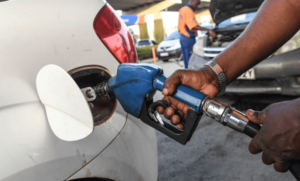
According to COMAC, the fuel currently available in the Ghanaian market was imported before recent geopolitical tensions in the Middle East began to affect global oil markets. Because of this timing, the chamber believes current pump prices should not yet reflect any potential price impact from the conflict. Oppong therefore described the recent price increases reported by some oil marketing companies as worrying and inconsistent with the industry’s pricing guidelines.
He pointed out that although the chamber had earlier projected a modest increase in fuel prices of around two to three percent even before the geopolitical tensions escalated, the increases currently being observed are significantly higher than expected. In some cases, price adjustments reported by distributors have reportedly moved from about seven percent to nine percent within a single selling window, which COMAC considers excessive.
COMAC also raised concerns about certain practices within the petroleum supply chain, including what it described as artificial product hauling and preferential selling. These practices involve manipulating supply patterns or giving preferential access to certain buyers in ways that can artificially influence fuel prices in the market. According to the chamber, such activities create distortions that can ultimately lead to higher pump prices for consumers.
The organisation stressed that fuel price adjustments must follow the national petroleum pricing formula rather than speculative behaviour driven by market rumours or anticipated international developments. Oppong warned that if industry players begin adjusting prices prematurely based on speculation rather than official calculations, the entire pricing system could become unstable.
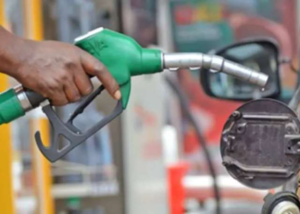
Ghana relies heavily on imported refined petroleum products, making the local market sensitive to global price fluctuations. When international crude oil prices rise or the Ghanaian cedi depreciates against the US dollar, fuel prices in the country typically increase. However, the petroleum pricing policy is designed to ensure that such changes are reflected in an orderly and predictable manner rather than through sudden or arbitrary price hikes.
The current concerns come at a time when global oil markets are experiencing renewed volatility due to geopolitical tensions in the Middle East. Rising global crude prices have already triggered fears of higher fuel costs across many countries that depend on petroleum imports. As a price taking nation in the global oil market, Ghana is particularly vulnerable to such external shocks.
Industry analysts say maintaining strict adherence to the pricing formula is critical to protecting consumers and preserving stability in the domestic fuel market. If bulk distributors increase prices prematurely, oil marketing companies may have no choice but to pass those costs on to motorists and households through higher pump prices.
The National Petroleum Authority, the regulator responsible for overseeing Ghana’s downstream petroleum sector, has reportedly begun engaging industry stakeholders on the issue to ensure compliance with the country’s pricing rules. The authority plays a central role in monitoring fuel price adjustments, licensing industry players and enforcing regulations that govern the importation, distribution and sale of petroleum products.
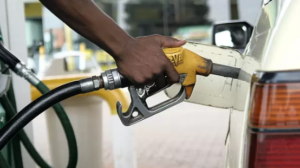
Oppong emphasized that regulatory vigilance will be essential to prevent opportunistic pricing behaviour. He warned that taking advantage of international tensions to inflate prices before the official pricing window allows for adjustments could undermine government efforts to cushion consumers from economic pressures.
Ghana’s fuel market includes several key actors, from bulk distributors who import petroleum products to oil marketing companies that sell them at retail stations across the country. Maintaining cooperation and transparency among these players is essential to ensuring that the supply chain operates efficiently and that fuel prices remain fair for consumers.
With the next pricing window approaching, industry observers expect regulators and sector associations to closely monitor market developments. If global oil prices continue to rise, Ghana may eventually experience higher pump prices, but COMAC insists that any such increases must occur strictly within the established pricing framework rather than through artificial manipulation of the market.