

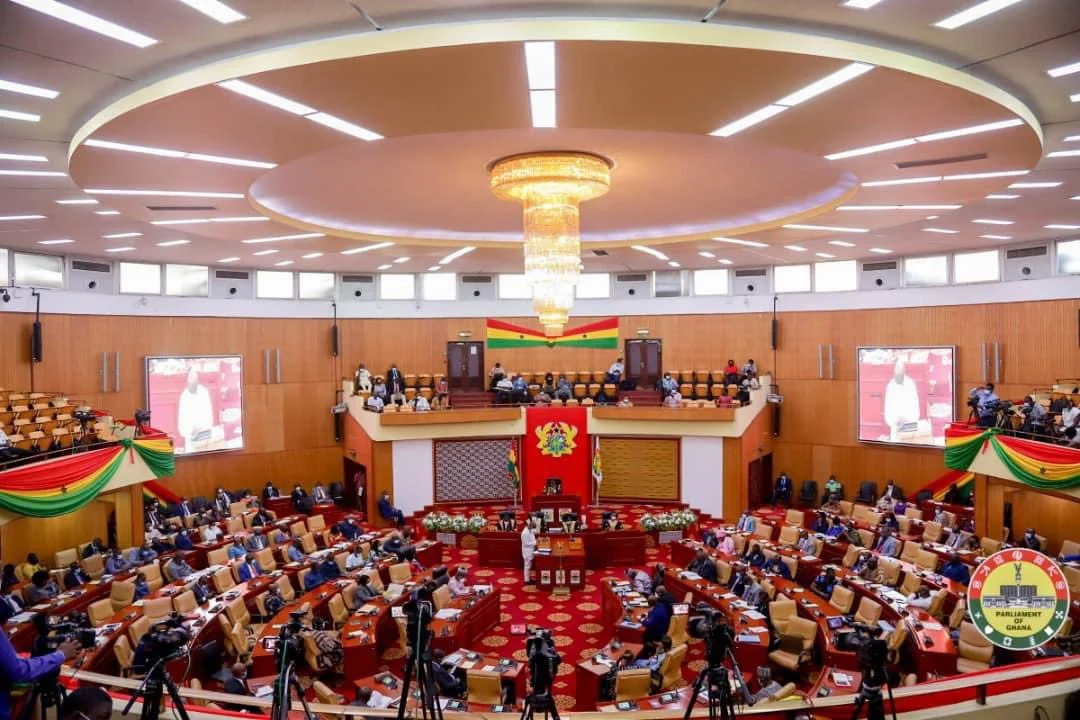
The Government of Ghana has formally laid the Community Service Bill before Parliament as part of a broader effort to reform the country’s criminal justice system and introduce alternative sentencing options for minor offences. The proposed legislation seeks to provide a legal framework that will allow courts to sentence certain offenders to community service instead of imprisonment.
The bill, which was presented to Parliament by the Office of the Attorney-General and Ministry of Justice, is designed to address several longstanding challenges within Ghana’s justice system, particularly prison overcrowding and the incarceration of individuals who commit relatively minor offences. Under the proposed law, offenders convicted of non-serious crimes could be ordered by the courts to perform community service within their local communities rather than serving time in correctional facilities.
Officials say the initiative forms part of a wider push to modernise Ghana’s criminal justice system by emphasising rehabilitation and restorative justice rather than purely punitive measures. The government believes that allowing offenders to serve their sentences through structured community service programmes will enable them to contribute positively to society while taking responsibility for their actions.
According to the explanatory memorandum accompanying the bill, the proposed law will establish a structured system through which courts can assign community service orders to eligible offenders. These individuals would be required to perform supervised work that benefits the community, such as sanitation activities, maintenance of public facilities, or participation in approved social projects.

The legislation also proposes the creation of administrative structures responsible for supervising and monitoring offenders who are sentenced to community service. These supervisory bodies would ensure that individuals comply with the terms of their service orders and complete the required number of hours assigned by the court. In cases where offenders fail to comply with the conditions of the order, the courts may impose alternative sanctions.
A key motivation behind the bill is the persistent challenge of overcrowding in Ghana’s prisons. Over the years, many stakeholders within the justice sector have raised concerns about the high number of individuals serving short sentences for minor offences. Experts argue that incarceration for such offences often places unnecessary pressure on correctional facilities while doing little to rehabilitate offenders.
Legal experts and civil society organisations have long advocated for the adoption of non-custodial sentencing measures such as community service, probation, fines, and conditional discharge. These alternatives are widely used in many countries to reduce prison populations and encourage rehabilitation. Non-custodial sentencing allows offenders to remain within society while undertaking activities that benefit their communities, thereby helping them maintain family ties and employment opportunities.
In Ghana, the absence of a comprehensive legal framework for community service sentencing has meant that many petty offenders are sent to prison even when alternative punishments might be more appropriate. This situation has often resulted in minor offenders being incarcerated alongside individuals convicted of serious crimes, raising concerns about the long-term social consequences of such practices.
Justice sector analysts note that community service orders can be particularly effective for low-risk offenders because they combine accountability with rehabilitation. Offenders are required to complete practical work that helps repair harm caused to the community while avoiding the stigma and disruption associated with imprisonment.
The proposed bill also aligns with broader justice sector reforms aimed at making Ghana’s legal system more efficient and responsive. In recent years, policymakers and legal professionals have highlighted the need to introduce reforms that reduce delays in criminal trials and improve correctional outcomes.
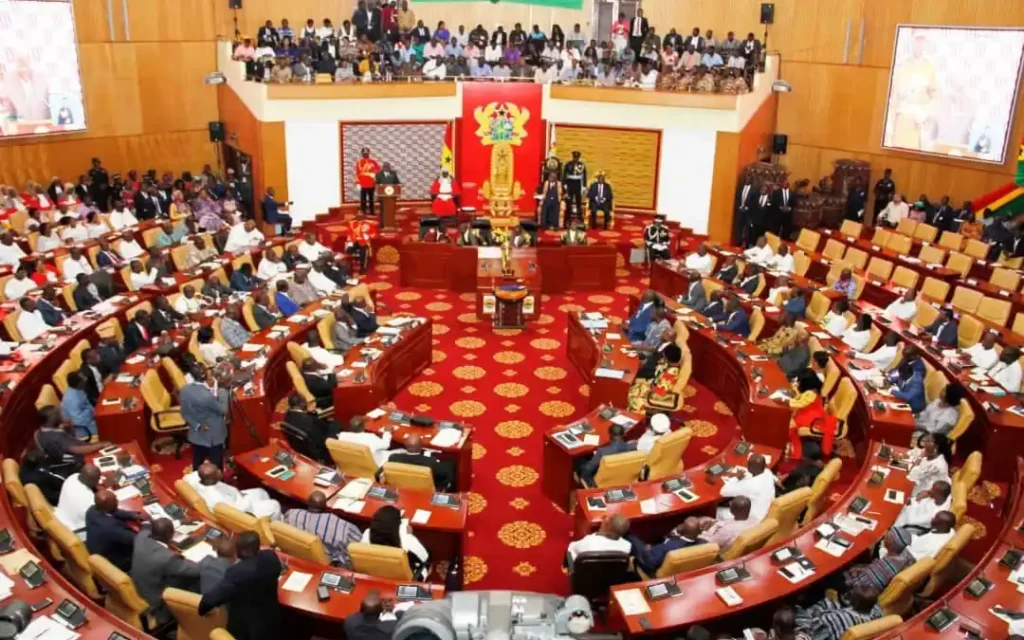
Government officials believe that once the Community Service Bill is passed into law, it will provide courts with greater flexibility in sentencing and help ensure that punishment is proportionate to the severity of the offence committed. By giving judges the option to impose community service instead of custodial sentences for minor crimes, the legislation could significantly reduce the number of people entering the prison system.
Beyond reducing prison congestion, proponents of the bill argue that the introduction of community service sentencing could strengthen civic responsibility and social cohesion. Offenders performing community service would engage directly in activities that improve public spaces and support community development initiatives.
The proposal has received support from several stakeholders in the justice and governance sectors who view it as a necessary step toward a more humane and effective criminal justice system. If approved by Parliament and signed into law, the Community Service Bill is expected to mark a major shift in Ghana’s sentencing approach by formally integrating restorative justice principles into the country’s legal framework.
Ultimately, the success of the initiative will depend on effective implementation, adequate supervision structures, and strong collaboration between the judiciary, law enforcement agencies, and community institutions. Supporters of the bill maintain that with the right systems in place, community service sentencing could become a powerful tool for rehabilitation, accountability, and community development in Ghana.