

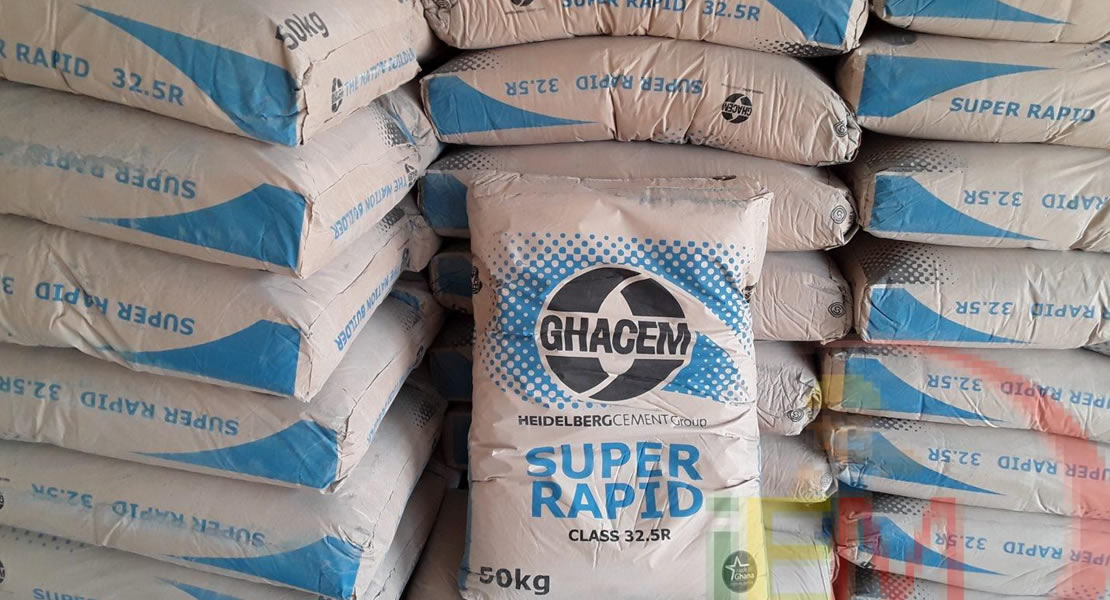
Cement prices in Ghana have recorded a notable decline of approximately 20 percent in recent months, a development the government attributes to improving macroeconomic conditions and sustained policy efforts aimed at stabilising the economy. The reduction in the cost of the key construction material is expected to provide relief for builders, real estate developers and households undertaking construction projects across the country.
Government officials say the drop in cement prices reflects broader economic improvements, particularly the relative stability of the Ghanaian cedi against major international currencies and ongoing engagement between authorities and industry stakeholders. Cement, which is one of the most essential materials used in construction, has experienced considerable price volatility in recent years due to fluctuations in exchange rates, rising production costs and global supply chain disruptions.
According to government officials, the stabilisation of key economic indicators has created conditions that allow manufacturers to reduce prices while maintaining sustainable production levels. The decline in prices is seen as a positive sign for the construction industry, which plays a significant role in Ghana’s economic development.
Trade, Agribusiness and Industry Minister Elizabeth Ofosu-Adjare has indicated that improvements in the exchange rate and macroeconomic environment have been a key factor in easing prices in the cement market. The minister explained that the stability of the cedi has helped reduce the pressure on import-related production costs, particularly for raw materials such as clinker and gypsum that are typically purchased in foreign currency.

She noted that the government has been engaging cement manufacturers and industry players to ensure that price adjustments reflect the improved economic conditions. These discussions have focused on maintaining fair pricing, improving product quality and ensuring that consumers benefit from the broader stabilisation of the economy.
Available data indicates that the price of a 50-kilogram bag of 42.5R cement, which previously sold for around GH¢118 before the current administration took office, has dropped to about GH¢107 in many parts of the country. Meanwhile, the price of 32.5R cement has also declined and now ranges between approximately GH¢80 and GH¢85 depending on location and distributor margins. These reductions represent a significant easing in construction material costs compared to the levels seen in previous years.
Industry players have welcomed the improved economic environment but note that several cost factors still influence cement pricing. These include energy costs, transportation expenses, port charges and currency fluctuations. Cement manufacturing in Ghana remains heavily dependent on imported raw materials, with industry analysts estimating that more than three quarters of production costs are linked to inputs priced in foreign currency.
Because of this, exchange rate stability remains one of the most critical factors affecting the pricing of cement in the country. When the cedi weakens against the US dollar, manufacturers often face higher production costs, which can translate into higher retail prices. Conversely, when the local currency stabilises or strengthens, producers are able to moderate prices more easily.
The government believes that the current reduction in cement prices demonstrates the benefits of ongoing macroeconomic stabilisation efforts. Authorities have emphasised that ensuring a stable and predictable economic environment is essential for sustaining affordable construction material prices and supporting national development.
The cement industry is also considered highly competitive, with more than a dozen suppliers operating in Ghana. This competitive environment is believed to help keep prices in check, as manufacturers and distributors compete to attract customers in both urban and rural markets.
Stakeholders within the construction and real estate sectors have expressed optimism about the price reductions, noting that lower cement costs could contribute to more affordable housing and reduced construction expenses. The availability of reasonably priced cement is particularly important for large infrastructure projects, housing developments and small-scale building activities undertaken by individuals.
Government officials have reiterated that they will continue monitoring the cement industry to ensure fair pricing practices and protect consumer interests. Authorities say they remain committed to working closely with manufacturers, distributors and regulatory bodies to maintain stability in the market.
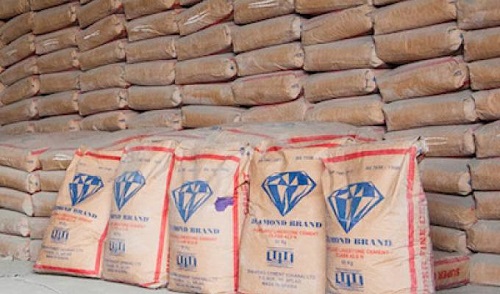
In addition to price monitoring, the government is also emphasising quality control measures to ensure that cement products sold in Ghana meet established standards. Regulators have indicated that maintaining high product standards is essential for the safety and durability of buildings and infrastructure.
The recent decline in cement prices is therefore viewed as a positive development for Ghana’s construction sector and the wider economy. As economic stability continues to improve, policymakers and industry stakeholders hope that the trend will contribute to stronger growth in infrastructure development, real estate investment and national economic expansion.