

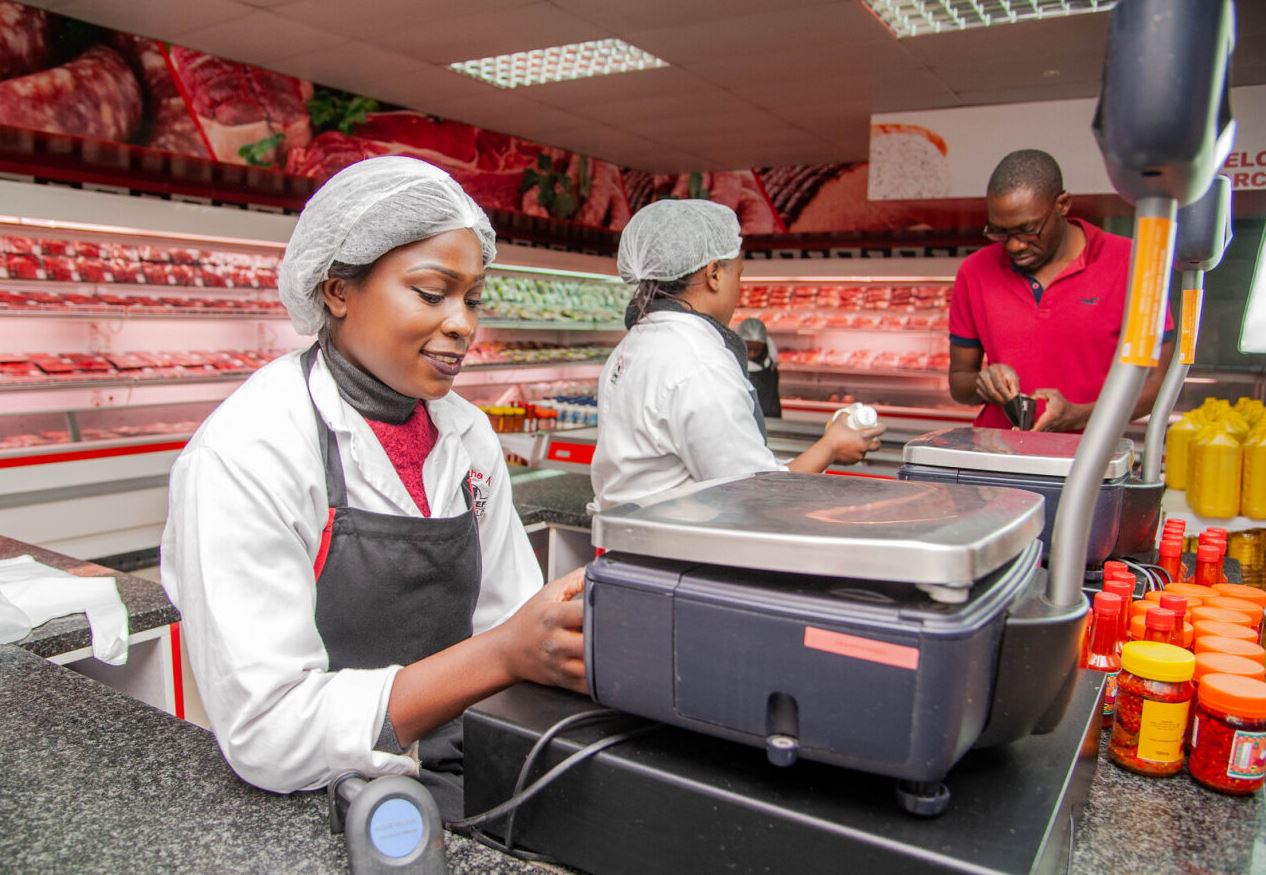
The UK’s development finance institution, British International Investment (BII), is progressing plans to acquire a controlling stake in Zambia’s largest agribusiness, Zambeef Products PLC, as part of a broader push to strengthen food systems across Southern Africa and deepen its footprint in frontier markets. The move, confirmed by BII leadership and reported by Reuters, signals a pivotal shift in how development finance can actively shape strategic industries in emerging economies.
Founded and majority backed by the UK government, BII was previously known as CDC Group before its rebranding. It has long positioned itself as a catalyst for sustainable economic growth in Africa, particularly in sectors like agriculture, financial inclusion, renewable energy, and small and medium enterprise development. Currently, Africa represents roughly 60 percent of BII’s £10 billion portfolio, demonstrating the institution’s deep investment commitment to the continent.
Strategic Acquisition From Minority to Majority Ownership
At present, BII holds approximately 17.5 percent of Zambeef’s issued share capital, a position built from an initial investment nearly a decade ago. Much of this holding comprises preference shares, which historically have granted financial returns but limited governance rights. Under the new plan, BII intends to convert its preference shares into ordinary equity, boosting its stake to 59.29 percent and transitioning from a minority investor to the company’s controlling shareholder.
Gaining majority control would allow BII to exert greater influence over corporate strategy, operational decision making, and capital allocation, enabling it to implement changes aimed at expanding Zambeef’s operational scale and regional market reach. Chris Chijiutomi, BII’s Head of Africa, emphasized that the intention is to not only solidify Zambeef’s position as a dominant Zambian agribusiness but to build it into a Southern African champion capable of improving food availability and reducing reliance on imported food products.
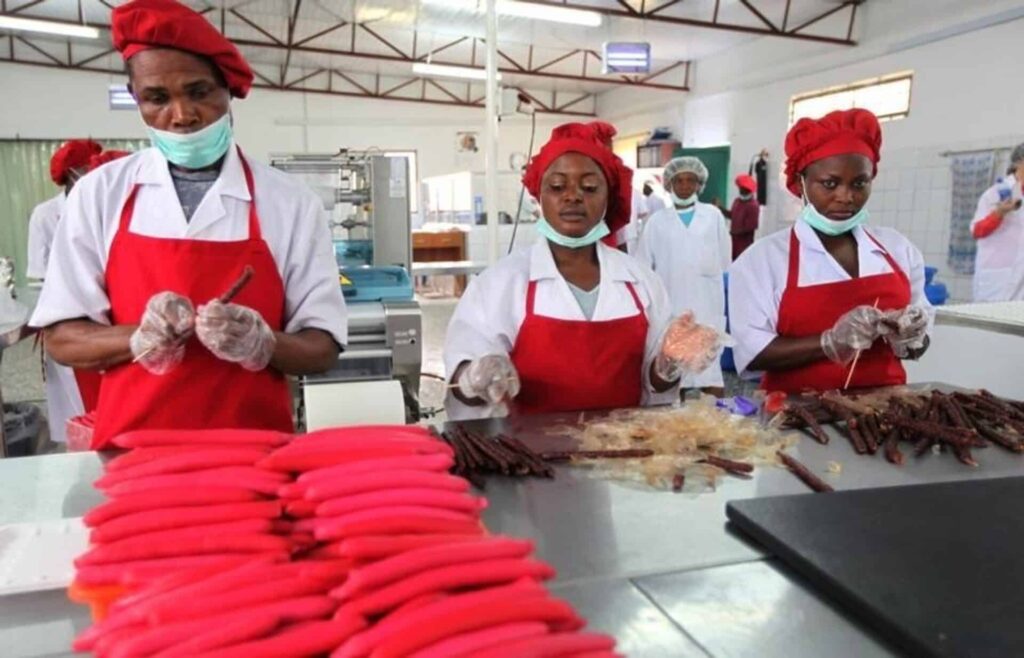
Zambeef’s Regional Role and Capabilities
Zambeef is an integrated food and agri processing powerhouse in Zambia and the wider region. The company’s operations span livestock breeding, crop production, processing of meat and dairy products, and distribution through retail outlets and butcheries. According to earlier data, the business operated 182 sales outlets in Zambia and 73 in West African markets including Nigeria and Ghana, underscoring its relevance beyond Zambia’s borders.
The company’s portfolio includes beef, poultry, pork, dairy, edible oils, eggs, stockfeed, and crop commodities, along with ancillary businesses such as feed milling and animal husbandry services, making it a cornerstone of the regional food supply chain. With over 7,000 employees, Zambeef is also a significant contributor to jobs and economic activity in the region.
Importance of Food Security and Development Finance
The proposed investment aligns with BII’s updated five year strategy, which places greater emphasis on frontier markets, typically smaller economies with higher perceived risk but high developmental impact potential. By securing majority ownership, BII aims to accelerate Zambeef’s growth trajectory, infuse long term capital, and enhance operational efficiency at a time when food security is a rising priority for regional governments, lenders, and investors.
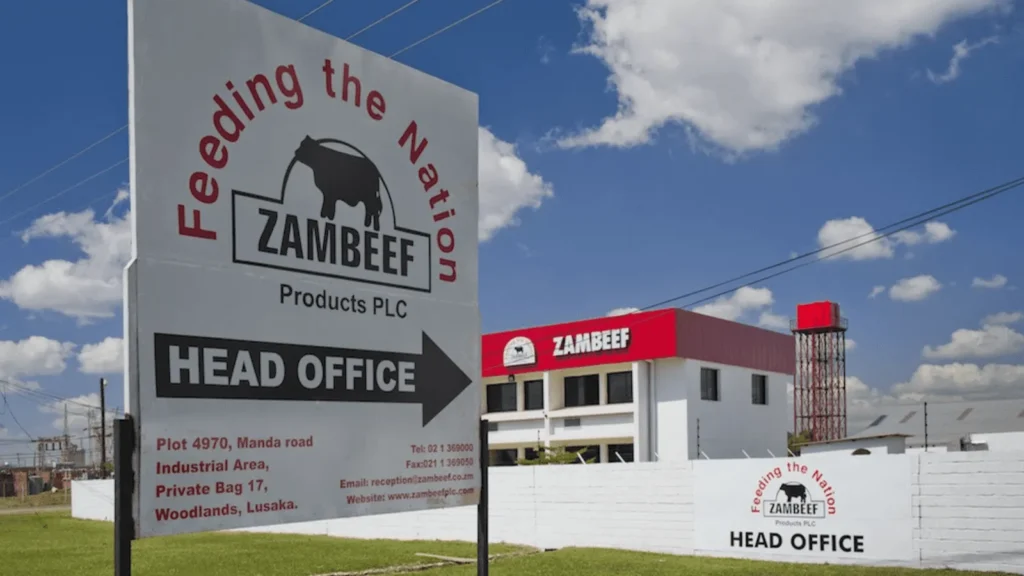
Development finance institutions like BII are increasingly treating food and agriculture not just as sectors for commercial investment but as critical infrastructure that underpins national stability and economic resilience. Ensuring stable food production and distribution can help mitigate inflationary pressures, support rural livelihoods, and reduce import dependency, outcomes that align with both developmental and commercial objectives.
Broader Implications and Regional Market Impact
Analysts suggest that BII’s strategic shift to take a controlling stake in Zambeef could have several long term benefits:
Expanded Access to Capital: Majority ownership may unlock new lines of funding and attract co investors, including pension funds and sovereign wealth entities, which often follow lead institutional investors with strong governance influence.
Operational Modernization: BII’s involvement could help Zambeef modernize its processing facilities, supply chain logistics, and risk management systems to improve productivity and product quality.

Regional Food Market Stabilization: A strengthened Zambeef may offer more stable meat, dairy, and crop supplies in Southern Africa, potentially moderating price volatility and boosting local food availability.
Development Impact: Beyond financial returns, BII hopes the expanded investment will support employment, strengthen local agricultural value chains, and contribute to economic inclusion.
However, achieving these outcomes will depend on navigating climate risks, infrastructure limitations, and complex regulatory environments that characterize many frontier markets. Nonetheless, observers view BII’s strategy as a notable example of development capital evolving into strategic operational influence, beyond passive minority investment.