

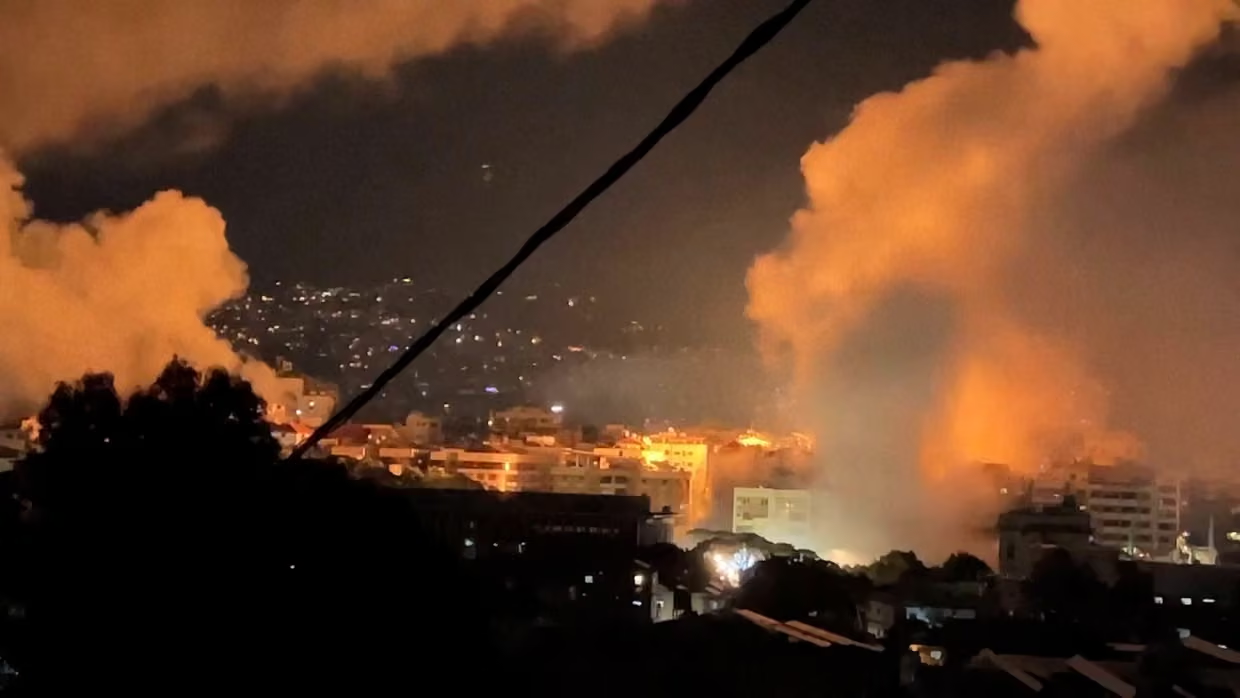
Military tensions in the Middle East have dramatically intensified as Hezbollah, the Lebanese Iran aligned militant group, fired a barrage of rockets, missiles and drones into Israeli territory, prompting a significant Israeli military response with airstrikes against Hezbollah targets across Lebanon. This exchange marks a major expansion of a conflict that had already been simmering since a broader regional crisis ignited earlier this week.
Hezbollah launches retaliatory attacks
Early Monday, Hezbollah announced it had launched “missiles and a swarm of drones” at Israeli positions, including a missile defence site south of Haifa in northern Israel. The group said its actions were carried out in “revenge for the killing of Iran’s Supreme Leader Ali Khamenei” and framed the strike as both a defence of Lebanon and a response to ongoing Israeli aggression.
This marked the first time Hezbollah had fired such weapons since a November 2024 ceasefire with Israel, breaking a period of relative restraint despite periodic Israeli operations against its infrastructure. The militant organisation described the airport strike as justified “within the framework of responding to repeated Israeli aggressions,” reinforcing its claim that it had a right to defend its territory.
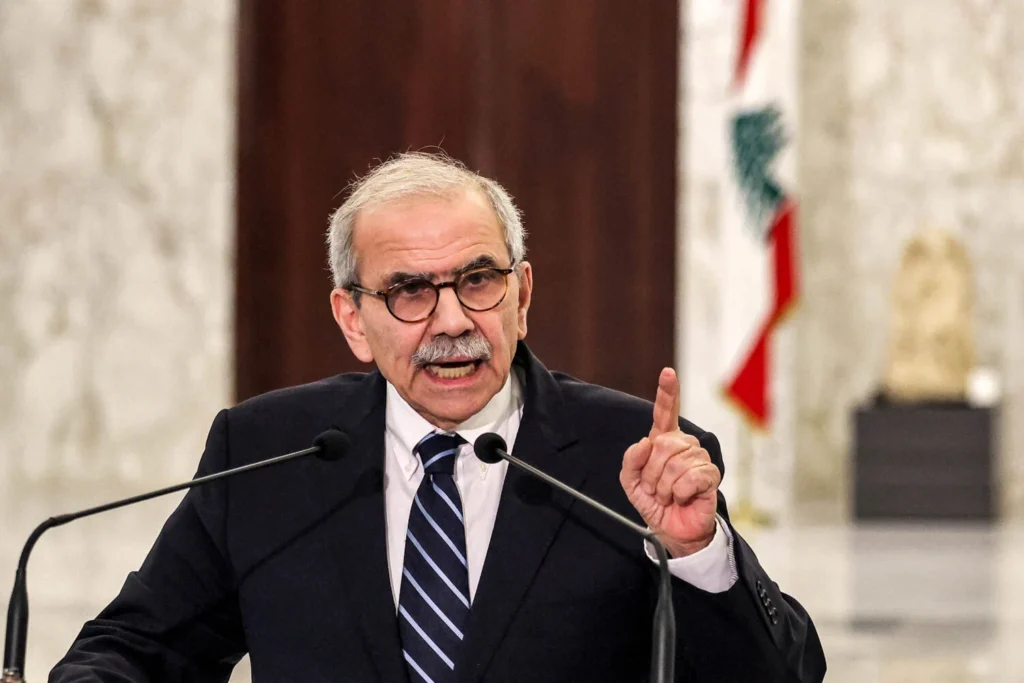
Lebanese Prime Minister Nawaf Salam sharply criticised the rocket fire, calling it a “dangerous and irresponsible act” that jeopardised national security and risked broadening the conflict further into Lebanon. He warned that such unilateral military action could invite intensified Israeli attacks on Lebanese soil, threatening civilian lives.
Israeli military response
In retaliation, the Israel Defense Forces (IDF) launched a series of air strikes across Lebanon, targeting what it described as Hezbollah military sites and infrastructure. Explosions were reported in Beirut’s southern suburbs particularly in the Dahiyeh district, which has historically been a Hezbollah stronghold as well as in the Bekaa Valley and other strategic locations.
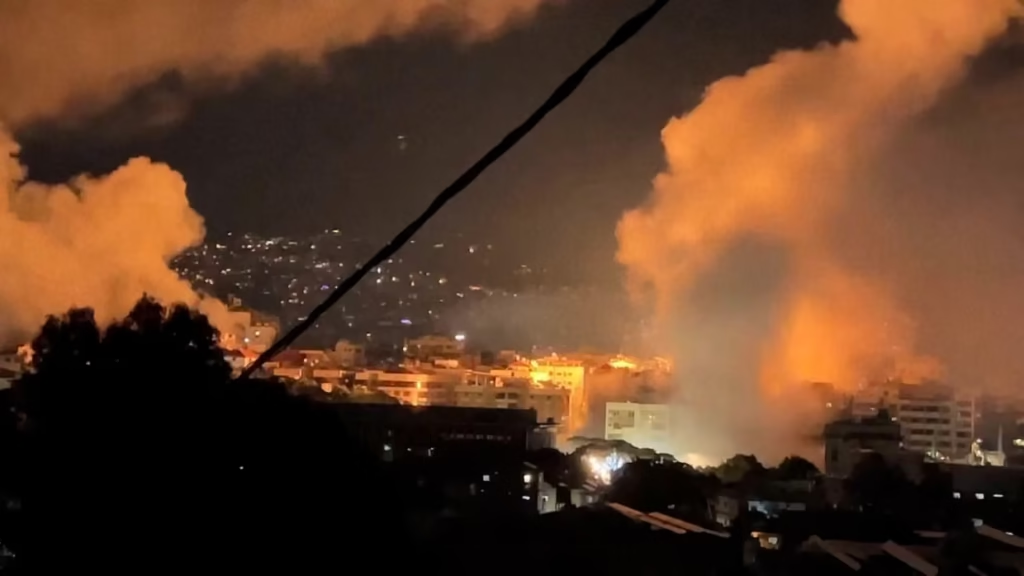
The Israeli military blamed Hezbollah for opening a “new campaign against Israel” and stated it would act decisively to ensure the group does not pose a threat to Israeli security, particularly along the northern border. Military officials emphasised that Israel was not seeking wider war with Lebanon but would not tolerate attacks on its territory.
According to Lebanese security sources, residents in southern Lebanon and the southern suburbs of Beirut began evacuating as a precaution, with long lines of cars and scooters leaving the area amid mounting fear of further strikes.
Broader regional context
The exchange between Hezbollah and Israel unfolded amid a wider regional crisis triggered by joint U.S. and Israeli airstrikes on Iran over the weekend an operation that resulted in the death of Iran’s Supreme Leader Ali Khamenei. In response, Iran launched missile and drone attacks on U.S. bases and allied positions in neighboring states, dramatically escalating tensions across the Middle East.
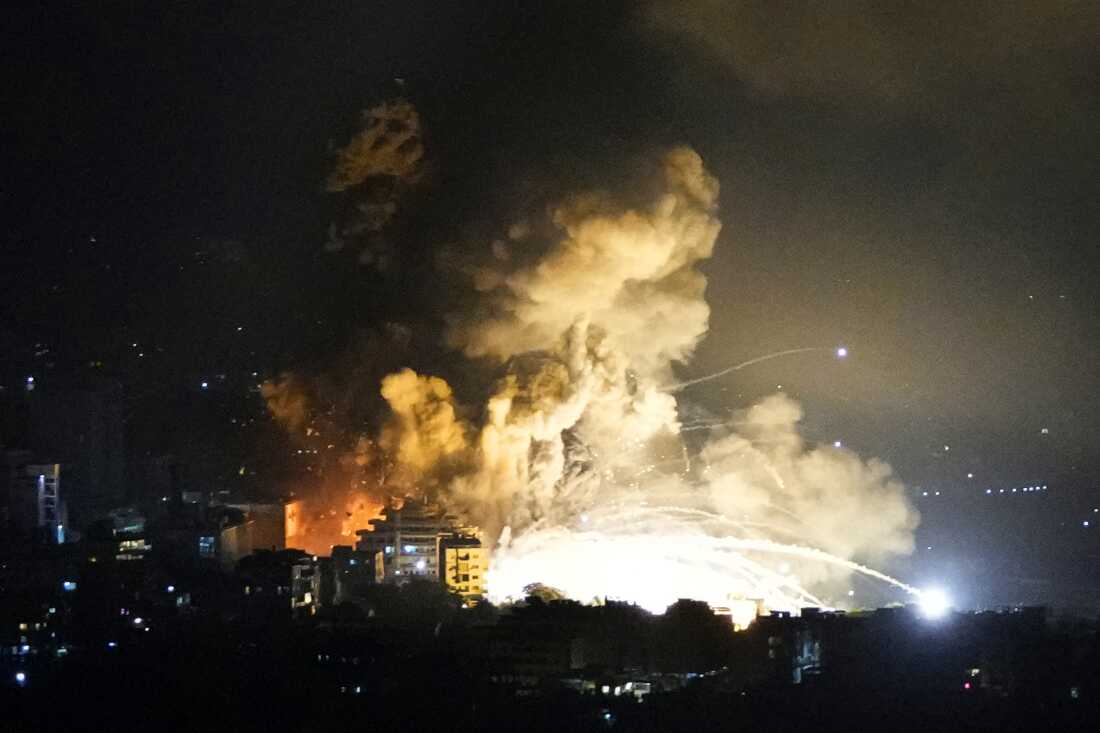
Hezbollah’s decision to enter the conflict reflects its long standing alliance with Tehran and its stated commitment to retaliate against actions perceived to target Iran or its leadership. Analysts note that Hezbollah had previously signalled it would remain on the sidelines during limited U.S. strikes but warned that attacks on Khamenei represented a “red line” necessitating its involvement.
Humanitarian and security impact
The escalation has triggered concern among civilians on both sides of the border. While early reports indicate that several projectiles from Lebanon landed in open areas and that at least one was intercepted by Israeli air defences, the potential for miscalculation and broader civilian harm is high. Evacuation orders and warnings for villages in southern Lebanon and northern Israel reflect growing fears of expanding hostilities.
Regional and international actors are watching closely, with diplomatic efforts underway to prevent further escalation. Lebanon has pushed for Hezbollah’s disarmament and cautioned against actions that could drag the country deeper into war. Meanwhile, Israel insists that it will defend its borders and security interests while seeking to avoid full scale conflict with its northern neighbour.
The latest round of attacks signals a significant escalation in the Middle East crisis one that has now spread beyond Iran and its immediate adversaries to include Hezbollah in Lebanon. The developments raise critical questions about regional stability, civilian safety, and the potential for a wider conflagration involving multiple state and non state actors.
Political leaders and international observers have underscored the urgent need for de escalation, cautioning that continued military engagements could draw in other allied groups and nations, potentially destabilising an already volatile region. As events continue to unfold, the situation remains highly fluid and unpredictable.