

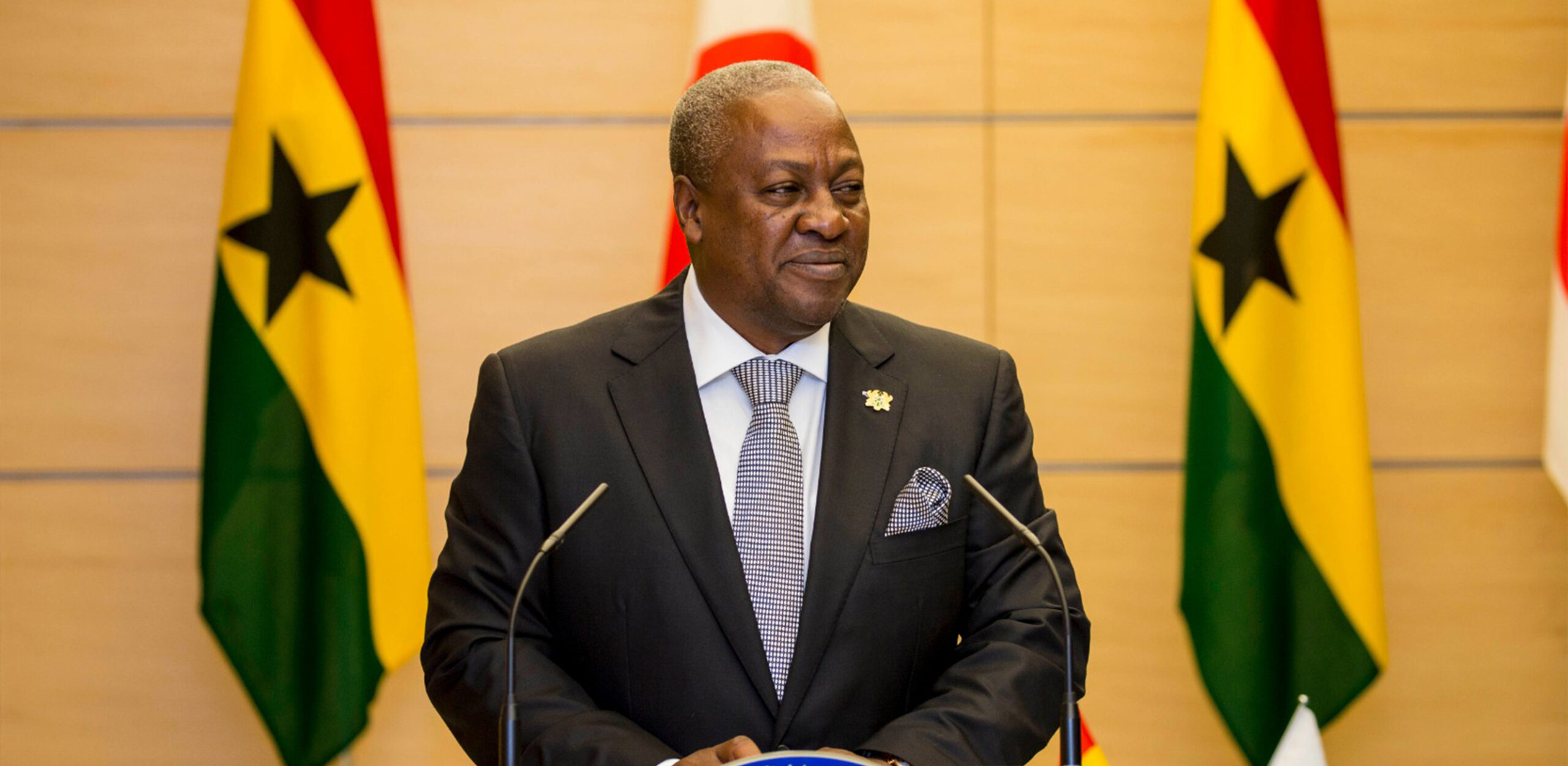
Ghana’s economy has officially crossed the US$100 billion threshold for the first time, a landmark achievement that reflects a broad based economic recovery, improved macroeconomic management, and renewed investor confidence. This milestone announced by President John Dramani Mahama in his 2026 State of the Nation Address to Parliament marks a significant turning point in the country’s economic trajectory and places Ghana firmly among Africa’s larger economies.
Economic growth and currency stability
In outlining the country’s remarkable progress, President Mahama emphasised that Ghana’s Gross Domestic Product (GDP) has grown sharply from previous years, driven by strong performance across key sectors and sustained economic reforms. The cedi, Ghana’s currency, has appreciated strongly rising 40.7 percent against the U.S. dollar, 30.9 percent against the British pound, and 24 percent against the euro signalling enhanced confidence in the country’s macroeconomic fundamentals and easing hardship for households and businesses.
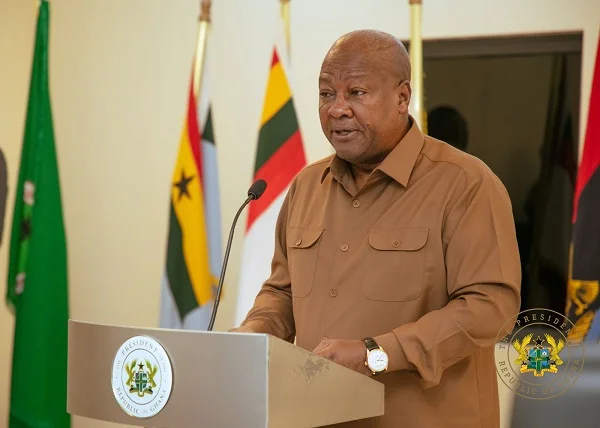
The improvement in the cedi’s value has supported lower imported inflation, enhanced financial stability, and better planning conditions for firms operating across the economy. President Mahama told lawmakers that stabilising the exchange rate was central to easing everyday economic pressures.
Drivers of economic expansion
Ghana’s surge past the US$100 billion benchmark is underpinned by gains in critical sectors including mining, oil and gas, agriculture, and services. Gold, cocoa, and petroleum remain cornerstone contributors to export revenues, with Ghana ranked among Africa’s top gold producers. Gold alone accounted for significant earnings, and the formalisation of gold sales through the Ghana Gold Board helped channel more foreign exchange into the economy.
Foreign exchange reserves have also expanded significantly, rising from US$8.9 billion at the end of 2024 to about US$13.8 billion, providing 5.7 months of import cover, a sign of improved external sector strength and resilience against global shocks.
Policy reforms and fiscal discipline
The milestone comes after years of intensive economic stabilisation and policy reforms aimed at reversing the effects of past fiscal and debt pressures. Ghana underwent significant debt restructuring and monetary stabilisation efforts that reduced public debt levels and improved financial credibility. External debt as a share of GDP has dropped considerably, supported by fiscal discipline and currency appreciation.
Macroeconomic reforms, including fiscal consolidation and prudent expenditure controls, have helped lower inflation rates dramatically bringing inflation down from highs of over 50 percent in 2022 to single digits in early 2026 and contributing to a more stable economic environment.
Forward looking growth prospects
Officials are confident that Ghana’s economy will continue expanding beyond the US$100 billion mark. Government projections suggest the nominal GDP could grow to US$140 billion by the end of 2026 if current growth trends persist, potentially positioning Ghana as one of the top seven economies in Africa. This outlook is supported by gains in exports, improved production in sectors such as oil and gas, and increased investor interest.
The government’s Ghana Accelerated National Reserve Accumulation Policy aims to build external buffers further, seeking to expand international reserves to cover 15 months of imports by 2028. This initiative is part of a broader strategy to enhance resilience in the face of global uncertainties and protect gains from external volatility.
Broader economic benefits
The positive momentum in the economy has also translated into stronger fiscal metrics and improved living conditions. A current account surplus, high remittance inflows, and export growth have lifted foreign inflows, while lower fuel prices and falling inflation have helped reduce the cost of living for consumers. Official statistics show that remittance inflows hit historic levels, further strengthening external finances.
Beyond macroeconomic indicators, the government has rolled out transformative initiatives such as the 24 Hour Economy Programme and accelerated export strategies designed to enhance productivity, diversify the economy, and create jobs in agriculture, manufacturing, logistics, and services.
Investor confidence and global outlook
Ghana’s macroeconomic turnaround and recent achievements have drawn praise from international investors and analysts. Investor meetings and high level engagements in global financial centres have highlighted Ghana’s disciplined fiscal management, stable currency, and ongoing reforms as key pillars strengthening investor confidence.
While challenges remain, including balancing debt sustainability and maintaining export competitiveness, the crossing of the US$100 billion economy mark marks a new chapter in Ghana’s economic development narrative one defined by recovery, resilience, and renewed optimism for sustained growth.