


Google has agreed to pay US$1 billion to energy storage startup Form Energy for its 100-hour battery systems, a move aimed at strengthening the clean energy backbone of Google’s expanding data center operations.
The agreement positions Form Energy to secure fresh funding ahead of a potential public listing next year, while giving Google access to one of the most advanced long duration battery technologies currently in development.
Form Energy is known for its iron air battery technology, designed to deliver electricity continuously for up to 100 hours. Unlike conventional lithium ion batteries, which typically store energy for four to eight hours, long duration systems can bridge multi day gaps in renewable energy generation, such as periods of low wind or sunlight. This capability is increasingly seen as critical for powering large scale data centers with round the clock carbon free electricity.
For Google, whose artificial intelligence and cloud computing operations are driving surging energy demand, the deal reflects a broader strategy to align infrastructure growth with sustainability goals. Data centers are among the most energy intensive facilities in the digital economy, and the rise of AI workloads has further amplified electricity requirements.
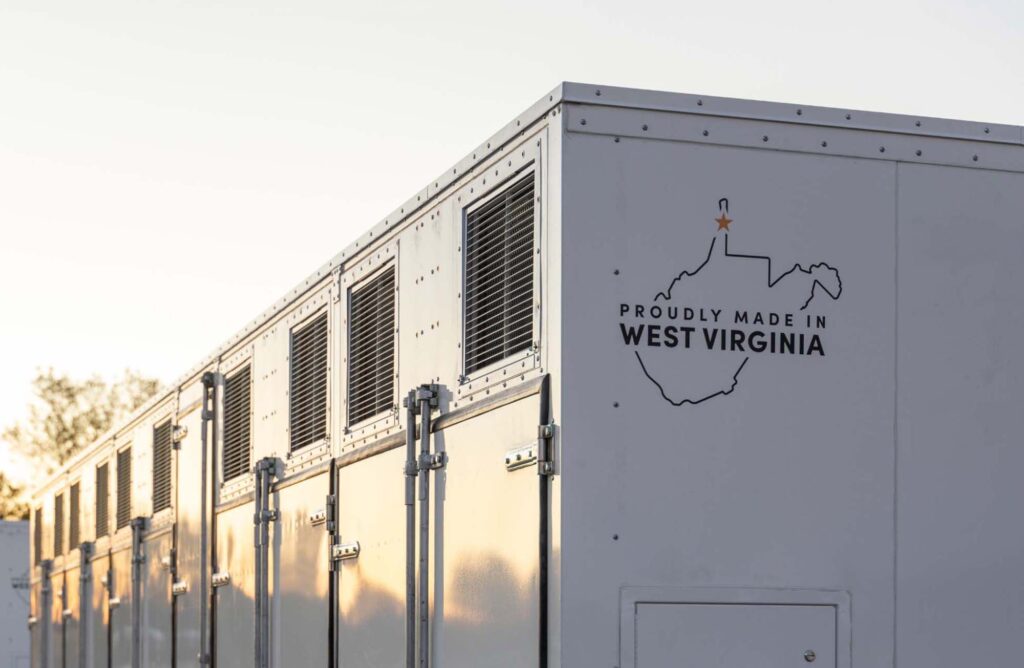
By integrating 100 hour storage systems, Google can stabilise renewable power supply and reduce reliance on fossil fuel based backup generation. Long duration batteries also help balance grids by absorbing excess renewable energy during peak production and dispatching it when supply tightens.
The $1 billion transaction is significant for Form Energy, marking one of the largest commercial commitments to long duration storage technology to date. The deal strengthens the startup’s valuation prospects as it prepares to raise additional capital. Investors have shown growing interest in grid scale storage as utilities and corporations seek solutions to decarbonise reliably.
The partnership underscores intensifying collaboration between big technology firms and climate tech startups. As AI adoption accelerates, technology companies face mounting scrutiny over their carbon footprints. Securing reliable clean energy supply is becoming both a strategic necessity and a reputational priority.
Long duration storage has been widely identified by energy analysts as a missing link in renewable heavy power systems. While wind and solar capacity have expanded rapidly, variability remains a structural challenge. Technologies capable of delivering power over multiple days can reduce curtailment, improve resilience and lower overall system costs in high renewable grids.

The agreement may also serve as a signal to other hyperscale cloud operators that long duration storage is reaching commercial maturity. If successfully deployed at scale, Form Energy’s systems could reshape how large industrial consumers approach energy procurement and resilience planning.
With data center expansion continuing globally, and artificial intelligence workloads pushing electricity consumption to new highs, investments in advanced storage solutions are likely to play an increasingly central role in the technology sector’s energy strategy.