


The high stakes battle to acquire iconic Hollywood giant Warner Bros Discovery has taken a decisive turn as streaming leader Netflix officially announced it will not increase its bid to acquire the company, effectively opening the door for Paramount Skydance to complete a rival takeover. This development marks a dramatic shift in one of the most closely watched corporate negotiations in the entertainment industry, reshaping the future of major media assets and the broader streaming landscape.
Netflix had been engaged in negotiations to buy Warner Bros Discovery, a storied media conglomerate that owns valuable studio properties, cable networks, and the HBO Max streaming platform. The company’s original proposal, struck late last year, valued the studio’s studio and streaming divisions at nearly 83 billion dollars, including assumed debt, and would have absorbed assets such as HBO Max, Warner Bros film and television studios, and related content. However, that deal did not include the entire Warner Bros Discovery portfolio, notably excluding networks like CNN and other Discovery cable channels.
The competitive landscape changed substantially after Paramount Skydance, backed by billionaire investor David Ellison, submitted a revised offer to acquire the entire Warner Bros Discovery company. Paramount’s bid placed a premium on the full portfolio, valuing the business at roughly 31 dollars per share in cash, compared with Netflix’s lower per share valuation for only part of the enterprise. Paramount also agreed to take on a series of additional financial commitments, including a significant regulatory termination fee and arrangements to cover the breakup fee Warner Bros would owe Netflix if the prior arrangement were terminated. These elements collectively strengthened Paramount’s position and led Warner’s board of directors to deem the new offer a superior proposal under the terms of its merger agreement.
Following Warner Bros Discovery’s formal designation of Paramount’s proposal as superior, Netflix was granted a contractual period during which it could revise its offer. Rather than submit a counter proposal, Netflix’s co chief executives Ted Sarandos and Greg Peters issued a joint statement explaining that matching Paramount’s elevated price point and financial terms would no longer be financially attractive, and that the deal as proposed did not align with the company’s strategic and fiscal discipline. With this decision, Netflix effectively ceded its position in the acquisition race.
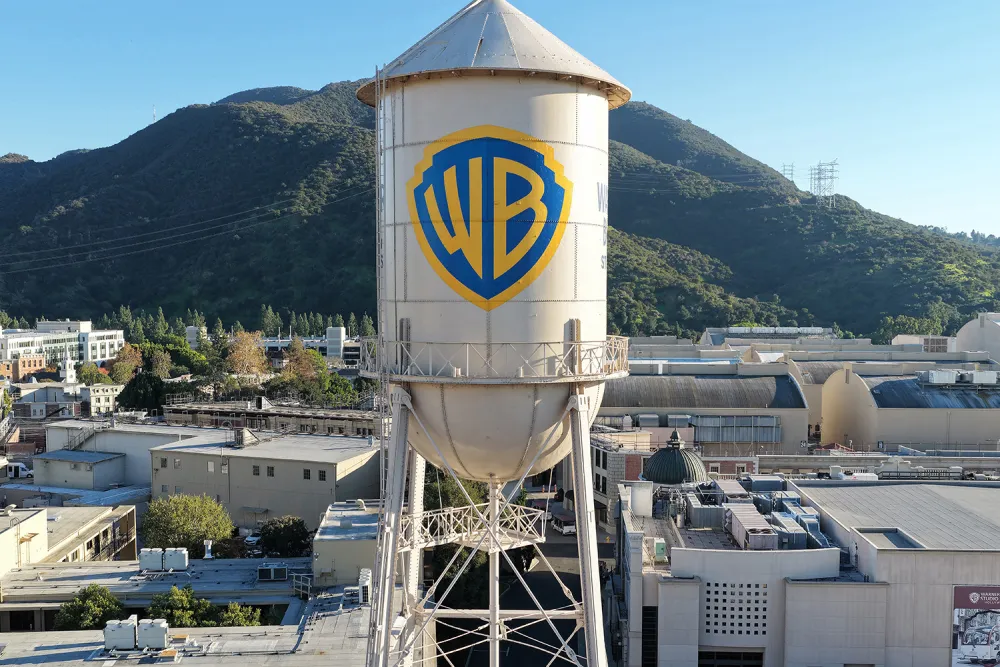
The conclusion of Netflix’s pursuit has significant implications. Paramount, now positioned as the sole bidder, is widely expected to move forward with its offer pending formal approvals from Warner Bros Discovery’s board and regulatory bodies. If the transaction proceeds, it would bring Warner’s extensive library of content and media properties which includes franchises such as Harry Potter, DC Studios films, and hit television series under Paramount’s corporate umbrella alongside its existing CBS and Paramount Plus platforms. This consolidation would unite two of Hollywood’s remaining legacy studios, creating a content powerhouse with enormous reach across theatrical, television, and streaming markets.
Industry observers note that regulatory scrutiny will play a critical role in the deal’s ultimate fate. Authorities in the United States and other jurisdictions will assess whether combining such significant media assets under one company raises antitrust concerns or could diminish competition and consumer choice. Critics of the potential merger have already voiced concerns over media concentration and its possible impact on market diversity and pricing, particularly as large studios and streaming services continue to consolidate.

The withdrawal of Netflix also triggered a notable reaction in financial markets. Following news of the decision, Netflix’s share price experienced an uptick, reflecting investor approval of the company’s commitment to financial discipline and avoidance of what some viewed as an overly costly acquisition. At the same time, Paramount’s position has been buoyed by confidence that it can successfully navigate the regulatory process and secure shareholder support for its bid.
Warner Bros Discovery’s leadership has expressed optimism about the potential benefits of a deal with Paramount, citing the opportunity to combine complementary assets and foster long term shareholder value. As the board prepares for upcoming shareholder votes and regulatory submissions, executives have emphasised the importance of balancing strategic growth with compliance and oversight.
Netflix’s exit from the bidding war also underscores the competitive pressures and evolving business strategies within the global streaming industry. As legacy media companies and digital platforms vie for content libraries, subscriber growth, and market share, mergers and acquisitions have become a defining feature of the sector’s trajectory. The outcome of the Warner Bros Discovery negotiation will likely influence future deals and competitive dynamics among major players, including services such as Disney Plus, Amazon Prime Video, and Apple TV Plus.
For now, with Paramount poised to complete the acquisition and Netflix refocusing on its core streaming business, the entertainment landscape stands on the cusp of significant transformation. Analysts and industry watchers will be monitoring regulatory developments and shareholder actions closely, as the final structure of this historic transaction and its effect on content creation, distribution, and consumer choice begins to take shape.