

The Government of Ghana has unveiled a strategic initiative aimed at significantly strengthening the nation’s external buffers by increasing gross international reserves to the equivalent of 15 months of import cover by the end of 2028. The plan, introduced through the Ghana Accelerated National Reserve Accumulation Policy (GANRAP), seeks to reduce dependency on external borrowing and boost resilience against global economic shocks.
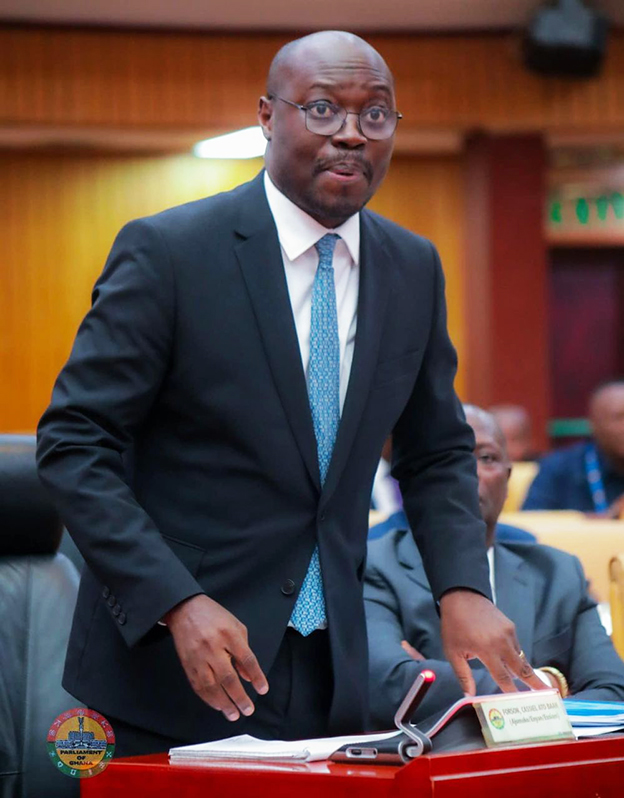
Presenting the policy to Parliament, Finance Minister Dr. Cassiel Ato Baah Forson noted that while Ghana’s current reserves, equivalent to 5.7 months of import cover at the close of 2025, exceed the traditional three-month adequacy benchmark, they are insufficient to provide robust self-insurance against external disruptions.
Under the new framework, the government expects reserves to rise progressively to at least 8.6 months of import cover by the end of 2026, more than 11.8 months by the end of 2027, and ultimately the 15-month target by the end of 2028. This trajectory implies an average annual reserve accumulation of roughly 3.1 months of import cover over the next three years.

To achieve these targets, the policy estimates that Ghana will need to secure an average of US$9.5 billion in additional reserves each year, after accounting for debt service, foreign exchange operations, energy sector payments, and other statutory outflows.
A central element of GANRAP is a gold-backed accumulation strategy, which includes a weekly target of approximately 3.02 tonnes of gold purchases. At an assumed price of US$5,000 per ounce, this is projected to generate around US$25.28 billion annually in gross receipts. Gold acquired through this programme will be refined and processed in line with international standards before being added to Ghana’s reserve holdings.
Dr. Forson emphasised that gold remains one of the most dependable instruments for accelerating reserve accumulation without increasing public debt or distorting domestic markets, especially amid elevated global prices and sustained central bank demand.
The policy marks a departure from past practices that relied heavily on borrowing to build reserves. It reflects the government’s commitment to building a stronger macroeconomic foundation, enhancing investor confidence, and bolstering Ghana’s capacity to withstand future global economic uncertainties.