

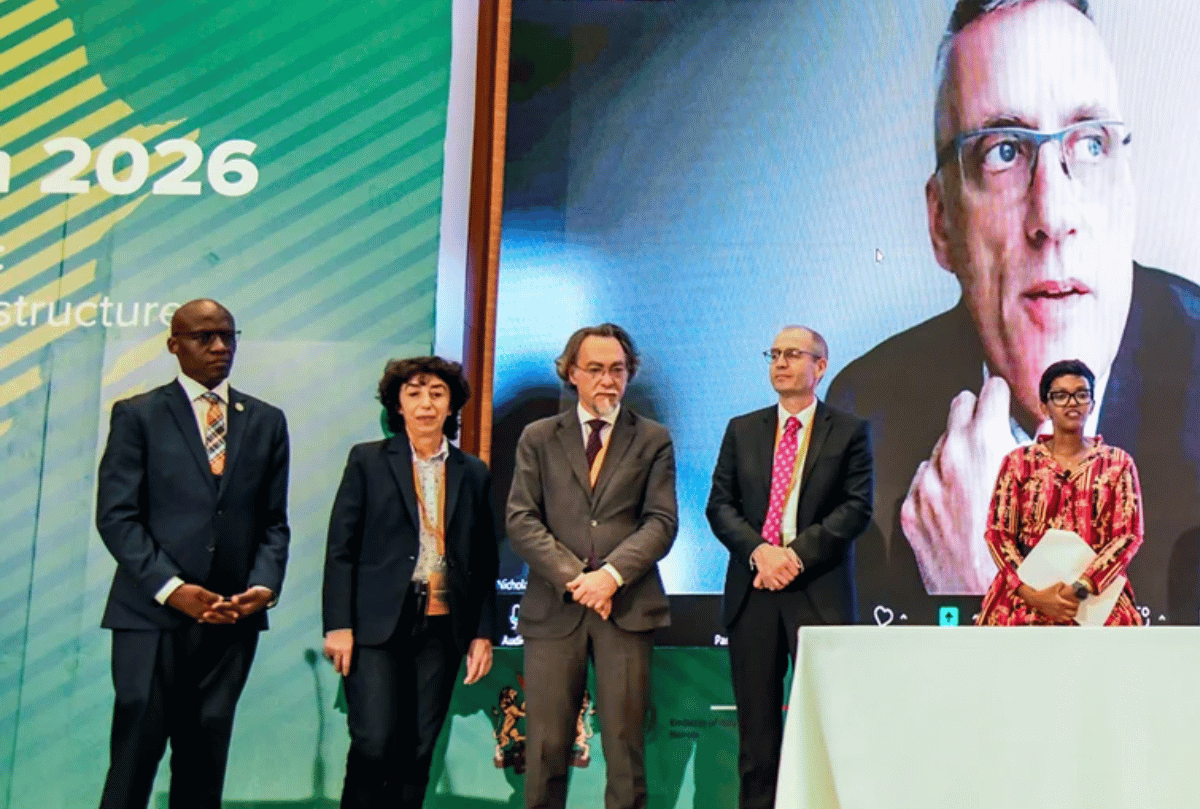
The African Development Bank and the United Nations Development Programme have launched an ambitious initiative aimed at mobilising up to US$10 billion to accelerate artificial intelligence development across Africa, positioning the continent to compete more effectively in the rapidly evolving global AI economy.
The initiative was unveiled on February 23, 2025 in Nairobi during the Nairobi AI Forum 2026, reflecting a strategic push to transform Africa from a passive consumer of artificial intelligence technologies into an active and structured contributor to global innovation. Branded as the $10 billion AI Initiative, the programme is designed to mobilise financing progressively through 2035 by bringing together development finance institutions, African governments and private sector investors.
According to the African Development Bank, the initiative responds to mounting concerns that Africa risks falling behind as artificial intelligence reshapes global value chains, productivity systems and economic competitiveness. Nicholas Williams, head of the bank’s ICT operations division, said the institution is leveraging its comparative advantage as a leading multilateral development finance body to ensure Africa is not left behind in the AI era.
The roadmap developed under the initiative rests on five strategic pillars. These include building reliable and interoperable data infrastructure, expanding computing and high performance processing capacity, developing specialised talent through advanced education and training programmes, strengthening regulatory and governance frameworks to foster trust, and improving access to capital for startups and innovative enterprises. Investments are expected to target data centres, high performance computing infrastructure, technology incubators and advanced digital skills training programmes across the continent.
Projections by the African Development Bank suggest that sustained investment at this scale could contribute to the creation of up to 40 million jobs by 2035 and add nearly $1 trillion to Africa’s gross domestic product over the same period. The figures reflect expectations that artificial intelligence will drive productivity gains across sectors such as agriculture, health, financial services, manufacturing and public administration.
The United Nations Development Programme’s involvement underscores the initiative’s emphasis on inclusive growth and sustainable development. Beyond technological competitiveness, the programme seeks to ensure that AI adoption supports social inclusion, digital sovereignty and equitable access to opportunities. Policymakers have increasingly stressed the importance of building African data ecosystems that are locally governed and aligned with continental development priorities.

The launch comes at a time when global investment in artificial intelligence is accelerating, with major economies committing billions of dollars to research, infrastructure and private sector support. African leaders have argued that without coordinated intervention, the continent could become further marginalised in emerging digital industries that are projected to dominate future economic growth.
Mobilising the full $10 billion will require converting the announcement into concrete financial commitments from governments, development banks and institutional investors. The African Development Bank is expected to play a catalytic role by de risking early stage investments and attracting private capital into scalable projects.
By aligning infrastructure development, talent formation and regulatory reform under a single financing framework, the AfDB and UNDP aim to build an integrated AI ecosystem rather than fragmented national initiatives. The strategy reflects a broader shift toward digital industrial policy, where technology is viewed not merely as a sector but as a foundational driver of economic transformation.

If successfully implemented, the initiative could reposition Africa as a credible participant in the global artificial intelligence economy, leveraging its youthful population, expanding digital adoption and growing startup ecosystems. The coming years will determine whether the proposed financing materialises at scale and translates into measurable economic and employment gains.
DR Congo Central Bank launches strategic gold reserve initiative to strengthen economy