

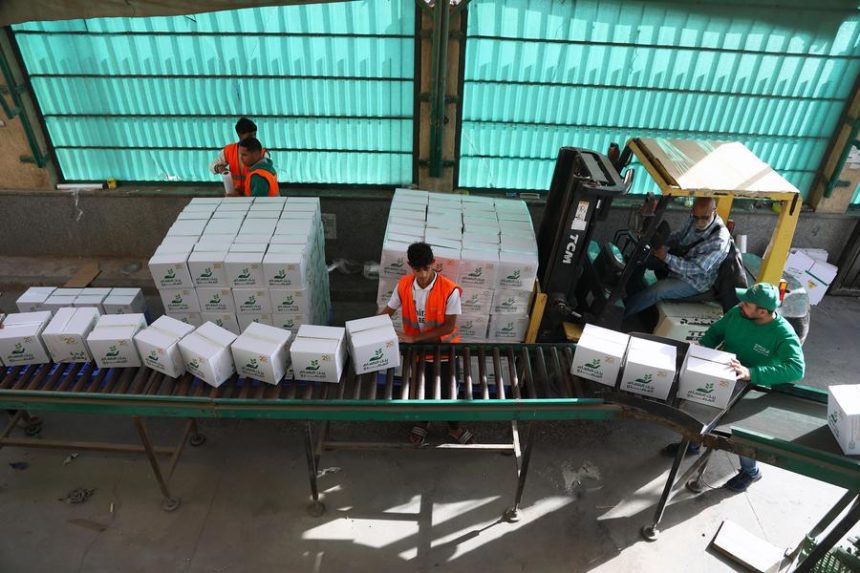
Egypt has announced a major humanitarian initiative to provide 71 million meals to vulnerable citizens across the country as part of an ambitious national food assistance programme aimed at mitigating the impacts of inflation and rising living costs. The initiative reflects Cairo’s commitment to safeguarding food security and cushioning economically stressed households, especially in rural and low income urban areas, where surging global food prices have strained household budgets.
The planned distribution of 71 million food parcels forms part of the government’s broader social protection strategy, which seeks to support families struggling to meet basic needs amid economic pressures. According to officials, the initiative will be implemented through a coordinated effort involving multiple ministries, local authorities and civil society organisations, with a strong emphasis on transparency, efficiency and equitable access for the most needy.
The programme will prioritise vulnerable groups, including elderly citizens, people with disabilities, and households experiencing significant income shortfalls due to job displacement or reduced earnings. While the distribution framework is still being finalised, key components are expected to include direct food parcel handouts, community based distribution centres and partnerships with non governmental organisations that have established networks in remote and underserved regions.
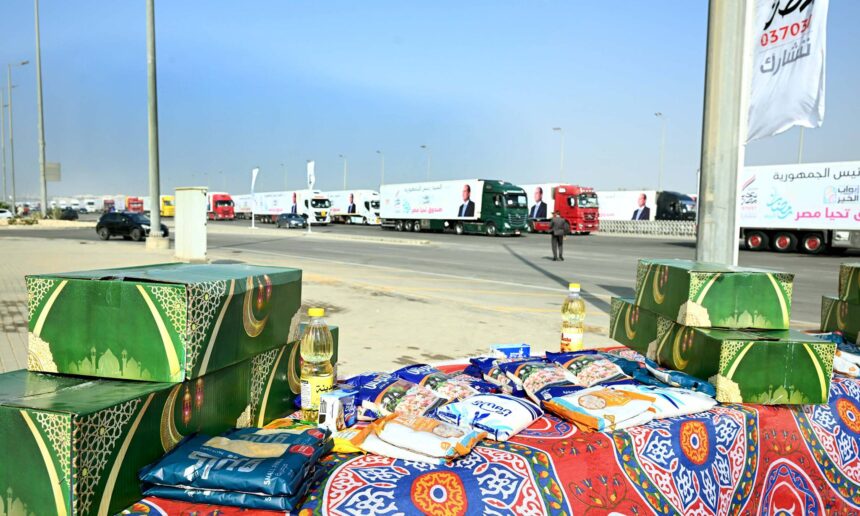
Officials have highlighted that the food parcels will contain essential staples designed to address short term nutritional needs. These are likely to include items such as rice, legumes, flour, cooking oil, sugar, and other basic commodities that form the core of everyday diets in Egyptian households. By focusing on essential items with broad nutritional value, authorities aim to ensure that families receive meaningful and practical support that can be used immediately to alleviate food insecurity.
The announcement comes amid continuing economic challenges facing Egypt, where inflation has remained elevated and placed sustained pressure on consumer prices. Like many countries around the world, Egypt has been grappling with the aftershocks of global supply disruptions, currency fluctuations and uneven recovery from the pandemic. These dynamics have contributed to higher costs for basic goods, prompting policymakers to intervene with targeted support measures.
In emphasising the importance of the meal distribution plan, government officials stressed that it is only one part of a multifaceted approach to socio economic stability. Broader economic reforms aimed at strengthening productivity, promoting job creation, and enhancing social welfare systems are being pursued concurrently. Authorities have framed these measures as necessary to build a more resilient and inclusive economy over the long term.
The scale of the meal programme 71 million portions is intended to match the size of the challenge, covering a significant portion of the population in need of immediate assistance. While exact timelines have not been publicly disclosed, officials have indicated that the distribution effort will unfold in phases, allowing adjustments based on evolving needs assessments and feedback from communities.
Observers note that food assistance initiatives such as this can play a crucial role in reducing acute hunger, supporting nutritional well being, and preventing deeper poverty cycles. In addition to direct food support, experts argue that complementing such efforts with measures that address underlying economic vulnerabilities including employment programmes, market stabilisation policies and targeted subsidies can amplify impact and improve long term outcomes.
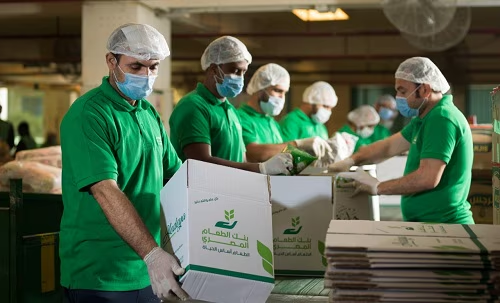
Civil society groups and charities have welcomed the government’s commitment to ramping up food support, while also urging sustained engagement with grassroots organisations to ensure that distributions reach truly marginalised communities. Some advocates have called for enhanced monitoring and accountability mechanisms to prevent duplication, ensure fairness in allocation and provide channels for beneficiaries to report issues or gaps in service delivery.
The initiative also aligns with Egypt’s obligations under international development frameworks that prioritise food security, poverty reduction and social inclusion. By mobilising resources toward direct assistance at scale, the government aims to demonstrate progress toward these broader goals, while also alleviating immediate hardships faced by families affected by economic volatility.
Regional counterparts in North Africa and the Middle East have similarly expanded social safety nets in response to rising living costs, reflecting a shared recognition among policymakers that food access and affordability are central to social cohesion and stability. In this context, Egypt’s 71 million meal plan contributes to wider regional efforts to protect vulnerable populations and enhance resilience against external shocks.
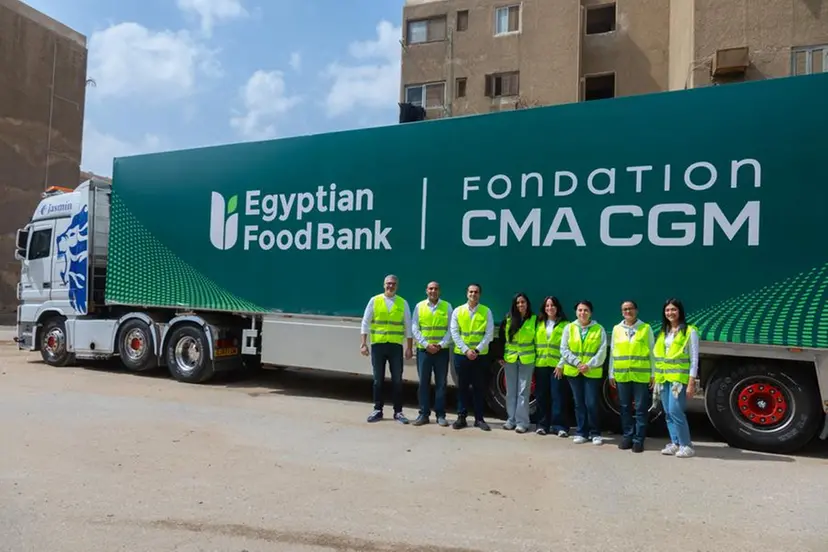
As implementation unfolds, stakeholders including government ministries, local leaders, community volunteers and international partners will play a critical role in ensuring that the programme fulfils its objectives. Effective coordination, logistical planning and responsive feedback systems are expected to be essential for timely delivery and maximum impact.
In summary, Egypt’s announcement of a 71 million meal distribution initiative represents a proactive approach to support citizens grappling with economic hardship. By combining direct food assistance with broader socio economic strategies, the government seeks to address both immediate needs and long term resilience, reinforcing its commitment to protecting vulnerable households and promoting social well being across the nation.