

Stripe has seen its valuation surge 74 percent to US$159 billion following a new employee tender offer, underscoring renewed investor confidence in one of the world’s most valuable private fintech firms.
The transaction allows current and former employees to sell shares to existing and new investors, providing liquidity without requiring the company to go public. According to reporting by TechCrunch, major participants in the tender include Thrive Capital, Coatue Management, Andreessen Horowitz, and Stripe itself.
The new $159 billion valuation marks a dramatic rebound for the payments giant, which had previously experienced a markdown during the broader technology market correction. At its earlier peak in 2021, Stripe had been valued at $95 billion before internal and secondary market adjustments reflected tightening capital conditions and a more cautious investor climate.
The latest tender offer signals a reversal of that trend. A 74 percent jump suggests that investors are once again pricing in strong growth prospects, improved profitability metrics, and Stripe’s strategic positioning at the center of global digital payments infrastructure.
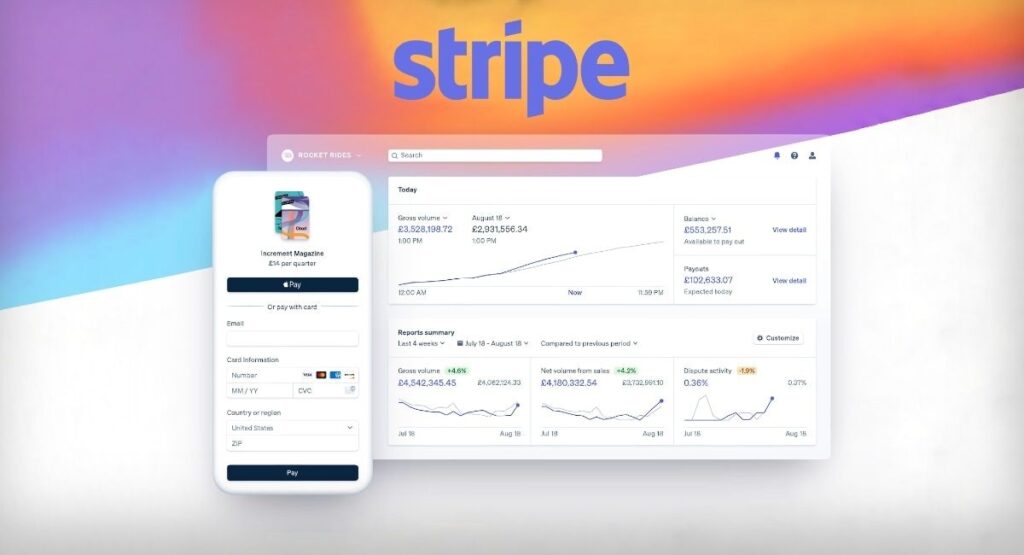
Founded by Irish brothers Patrick and John Collison, Stripe has built a global payments platform used by millions of businesses, from early stage startups to large enterprises. Its products enable companies to accept payments, manage subscriptions, handle fraud detection, and operate financial services infrastructure through application programming interfaces.
In recent years, Stripe has expanded beyond payment processing into embedded finance, revenue automation, and cross border commerce tools. These expansions have positioned the company not merely as a payment processor but as a broader financial infrastructure provider for the internet economy.
The tender structure itself is significant. Rather than raising new primary capital, the offer provides liquidity to employees who have accumulated equity over years of growth. This approach helps Stripe retain talent by offering periodic liquidity events, while maintaining its status as a private company.
Private market tender offers have become increasingly common among late stage technology companies that prefer to delay initial public offerings amid volatile public markets. By facilitating secondary transactions, firms like Stripe can stabilize shareholder structures while avoiding the regulatory and market pressures of a public listing.

Investor participation from firms such as Thrive Capital, Coatue, and Andreessen Horowitz indicates continued institutional appetite for exposure to high quality fintech assets. These firms have long track records of backing growth stage technology companies and often signal market sentiment shifts through their participation in large secondary transactions.
Stripe’s rebound also reflects broader stabilization within the fintech sector. After a period of declining valuations driven by higher interest rates and macroeconomic uncertainty, investor focus has shifted toward companies with durable revenue streams, strong margins, and disciplined cost structures.
While Stripe has not publicly disclosed detailed financial metrics in connection with the tender, prior statements have indicated improving profitability and cost efficiency measures undertaken during the market downturn. The company previously implemented internal restructuring and expense controls, moves that may now be reinforcing investor confidence.
The payments landscape remains competitive, with rivals ranging from traditional financial institutions to fintech challengers and global technology platforms. However, Stripe’s developer friendly infrastructure, global reach, and integration capabilities continue to differentiate it within the ecosystem.
At $159 billion, Stripe once again ranks among the most valuable privately held technology companies globally. The renewed valuation may also reignite speculation about a future public offering, though company leadership has historically emphasized long term strategic flexibility over short term listing timelines.

For employees, the tender provides tangible financial recognition of the company’s resurgence. For investors, it reflects belief that digital payments growth remains robust, particularly as ecommerce, subscription models, and embedded financial services continue expanding worldwide.
Whether Stripe ultimately returns to the public markets or continues leveraging private liquidity mechanisms, its valuation surge underscores a key reality in the technology sector: companies that demonstrate resilience through market cycles often emerge stronger and more valuable than before.