

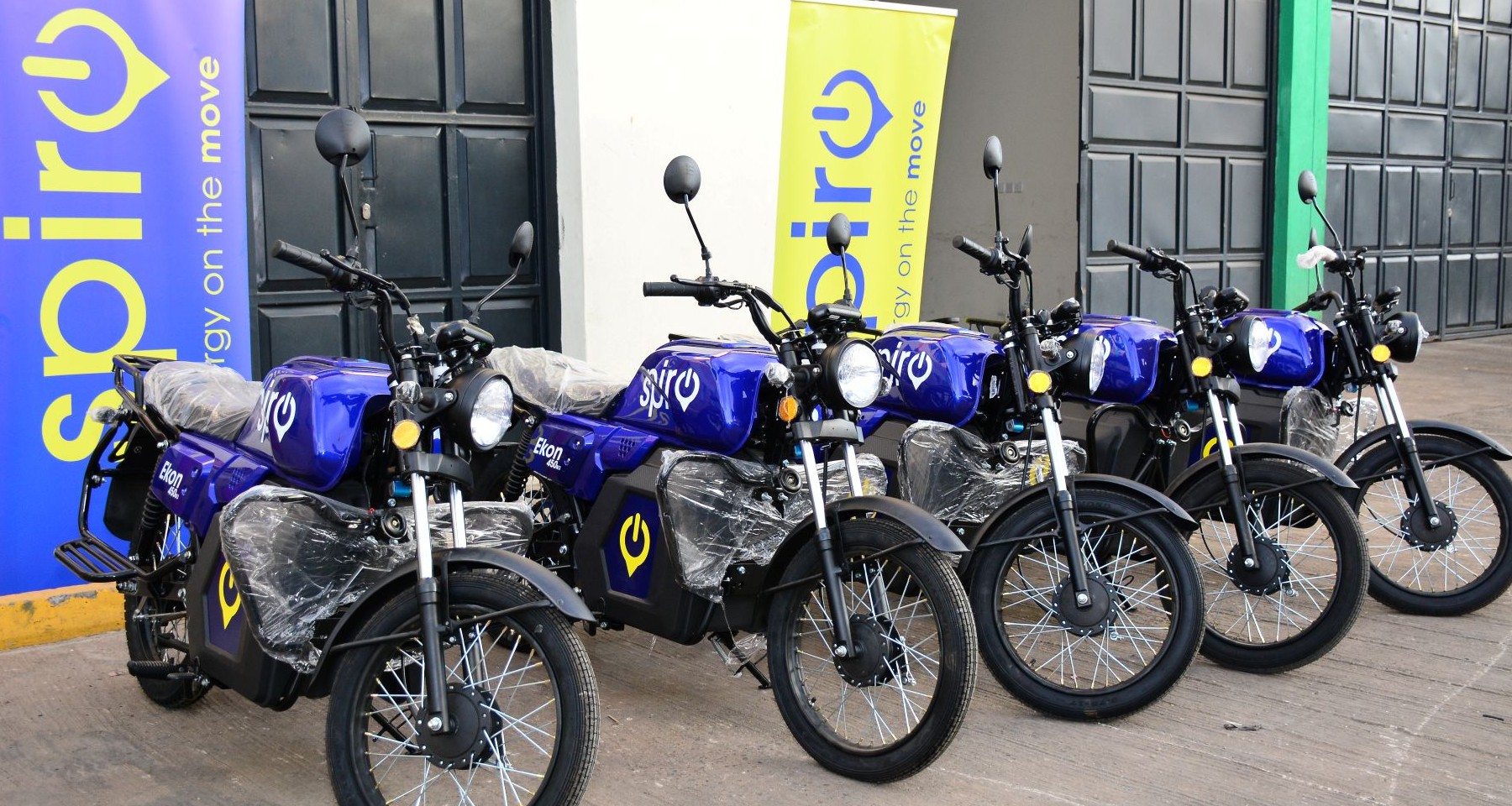
Africa’s electric mobility sector has taken another major step forward with Spiro securing $50 million in new debt financing to expand its battery-swapping infrastructure and accelerate the transition to cleaner, more affordable transportation across the continent. The financing round, backed by the African Export‑Import Bank (Afreximbank), U.S. climate fintech platform Nithio, and the Africa Go Green Fund managed by Cygnum Capital, highlights increasing investor confidence in sustainable mobility solutions tailored to African markets.
Founded in 2022, Spiro has quickly emerged as one of the leading electric mobility operators in Africa, building a pan-continental network of battery-swapping stations that take aim at reducing the continent’s dependence on fossil-fuel motorcycles while cutting transport costs and emissions. The company’s business model allows riders to buy or lease an electric motorcycle and then replenish energy by swapping depleted batteries at a growing network of stations rather than waiting for conventional charging. This approach addresses one of the biggest challenges facing electric two-wheeler adoption in Africa: the lack of reliable charging infrastructure.
The latest $50 million injection follows a landmark $100 million investment the company closed in October 2025 — then the largest investment in Africa’s electric mobility space, reflecting Spiro’s rapid ascent and the broader appetite for climate-friendly transport solutions on the continent.
Spiro’s network now spans six African countries, Kenya, Uganda, Rwanda, Nigeria, Benin and Togo, and the company is testing operations in Cameroon and Tanzania. To date, Spiro has deployed more than 80,000 electric motorcycles, circulated over 300,000 batteries, completed more than 30 million battery swaps, and supported riders in covering over one billion kilometres of low-carbon travel. These metrics highlight not only the scale of adoption but also the tangible environmental impact of its operations, reducing fuel use and emissions while offering an affordable alternative for everyday riders.
The fresh capital will be used to expand Spiro’s battery-swapping stations into new areas and deepen infrastructure in existing markets, as well as to advance its technology platform. Improvements are expected to include automated battery swapping, faster charging capabilities, and deeper integration with renewable energy sources — measures that aim to further lower operating costs and improve reliability in markets where grid reliability can be inconsistent.
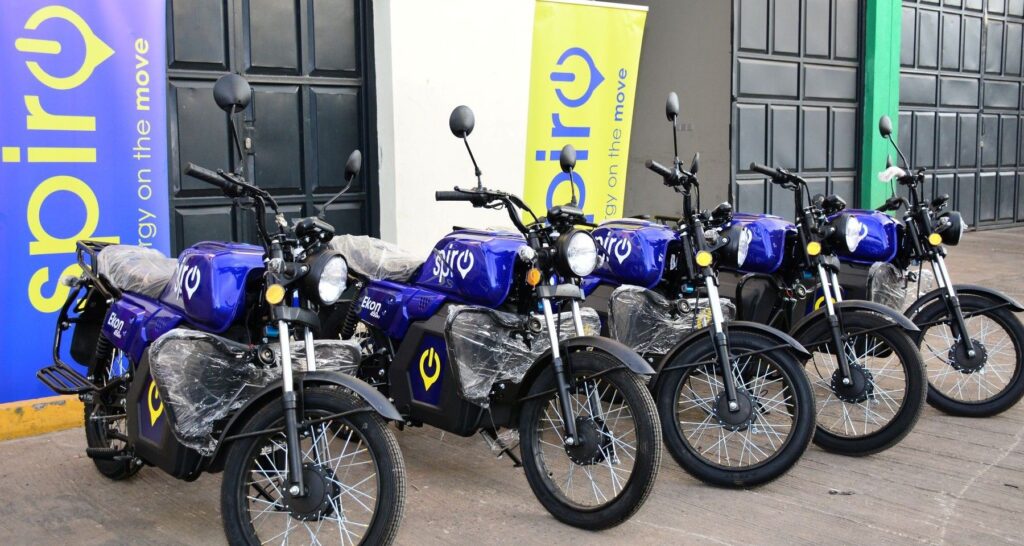
For many Africans who rely on two-wheeled transport, particularly motorcycle taxis known as boda bodas in East Africa, the economics of electric vehicles are increasingly compelling. Electric motorcycles typically cost significantly less to operate than petrol-powered equivalents, cutting daily fuel and maintenance costs for drivers and providing a path toward more sustainable earnings. In Kenya, for example, electric motorcycles have captured an increasing share of new bike registrations as adoption grows, reflecting a broader shift toward cleaner alternatives in the transport sector.
Afreximbank’s participation underscores the role that development financiers are playing in Africa’s e-mobility revolution. The bank’s support is part of a broader strategy to promote sustainable economic development that pairs industrialization with climate-friendly infrastructure, and its backing of Spiro signals confidence in the commercial viability of the battery-swapping model. Nithio and the Africa Go Green Fund’s involvement, meanwhile, highlights the growing interest from climate-focused investors in supporting scalable, impact-oriented solutions in emerging markets.
Industry analysts say that electric mobility offers more than just environmental benefits. It can help reduce reliance on costly imported fossil fuels, improve air quality in densely populated cities, and create new industrial and employment opportunities through local assembly, battery production and service networks. Spiro’s rapid expansion has already included assembly facilities and regional production hubs designed to grow local manufacturing capacity, which in turn helps anchor the electric mobility value chain in Africa.
Despite the promising momentum, the electric two-wheeler market in Africa is not without its challenges. Infrastructure remains patchy in some regions, and riders have raised concerns about interoperability between different battery-swap networks. In Kenya, discussions have surfaced around the need for more flexible battery standards to ensure riders can access swap stations across different service providers without being stranded. While companies like Spiro are cautiously open to interoperability, safety and technical integration remain key considerations before broader standardization can be implemented.
Nevertheless, the scale of Spiro’s footprint and the flow of investment capital into the sector suggest that electric mobility in Africa is moving from niche adoption to mainstream viability. With millions of urban commuters and commercial riders relying on two-wheel transport daily, the potential for electric alternatives to reshape Africa’s transport landscape is significant. The expansion supported by the $50 million funding round will help Spiro reach more riders, accelerate technology adoption, and contribute to broader climate goals outlined in international development agendas.
As Spiro and other electric mobility players continue to scale operations and refine infrastructure, the continent’s transition to cleaner, more cost-efficient transport appears increasingly within reach. Whether through battery swapping, fast charging or renewable energy integration, Africa’s electric mobility revolution is gaining traction — driven by innovation, investment, and the pursuit of sustainable economic growth.
Ghana Aims for Complete Electricity Access by 2030 – Ablakwa