

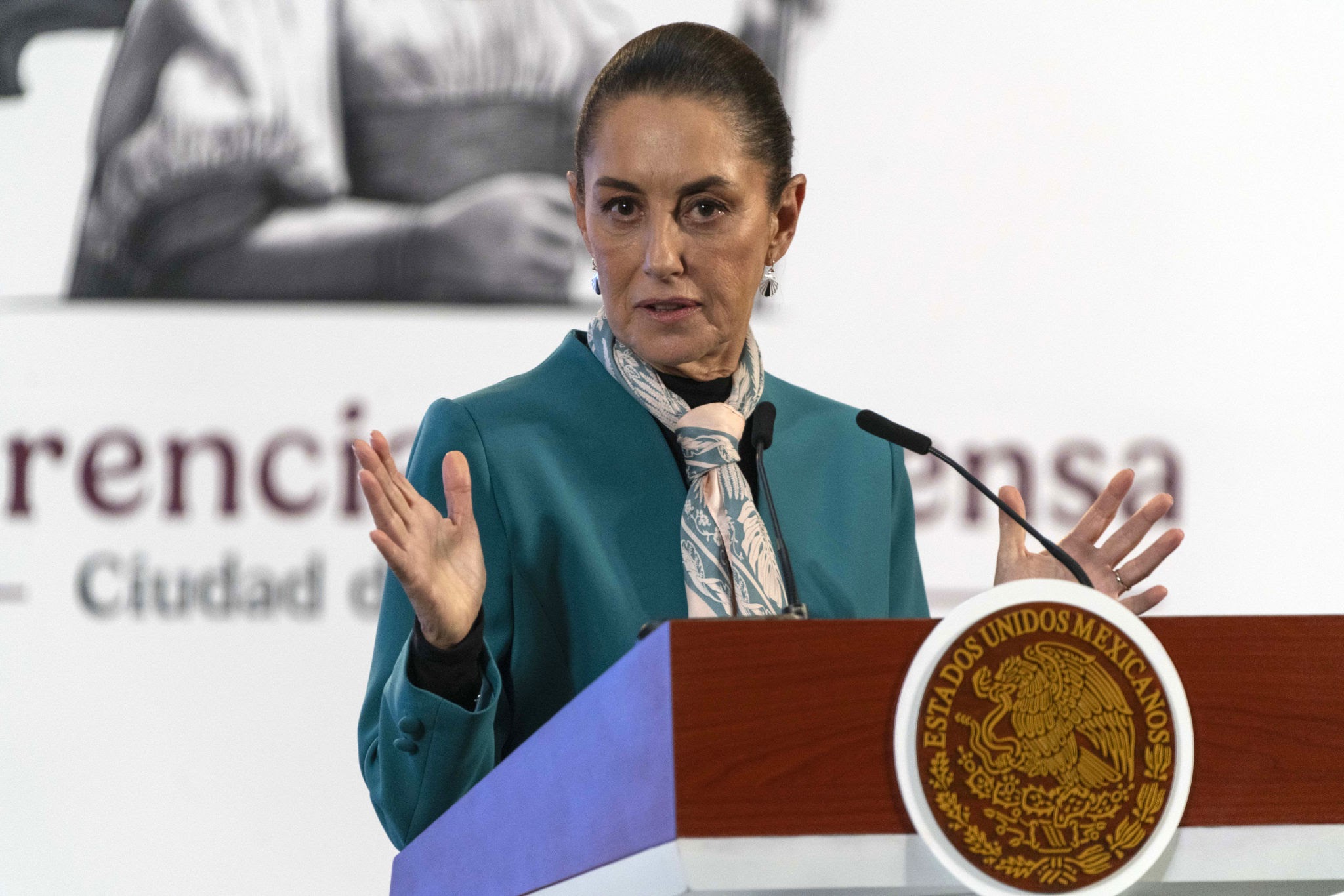
Mexican President Claudia Sheinbaum has firmly reassured both domestic audiences and the international community that there is “no risk” for visitors attending the 2026 FIFA World Cup, even as the country navigates a significant outbreak of cartel related violence following the killing of one of its most notorious organized crime leaders El Mencho. Sheinbaum’s comments come amid intense scrutiny of security conditions in Mexico, particularly in regions where matches will be held this June and July, and where recent unrest briefly shook public confidence.
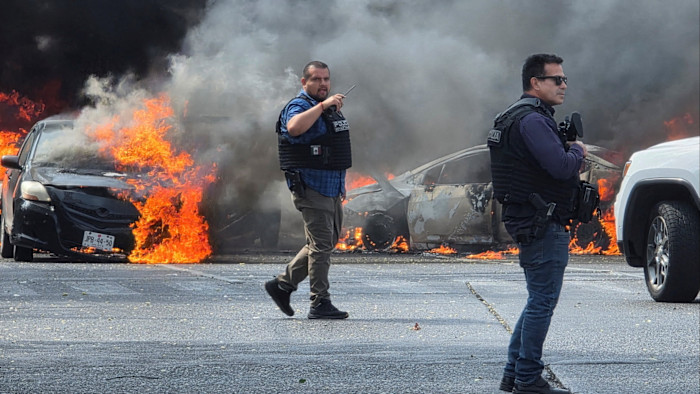
Earlier this week, Mexican security forces launched a high profile operation in Jalisco state to apprehend Nemesio Rubén Oseguera Cervantes, widely known as El Mencho, the leader of the Jalisco New Generation Cartel CJNG, one of the country’s most powerful criminal organisations. During the operation, El Mencho was fatally wounded and later pronounced dead, triggering an immediate and violent response by cartel loyalists across several states. The retaliatory attacks included armed confrontations with security forces, widespread roadblocks known locally as narcobloqueos, arson against vehicles and commercial properties, and multiple assaults on law enforcement bases. At least 70 people, including cartel members and members of the security forces, are reported to have died in the clashes that followed.
The violence was most concentrated in Jalisco and neighbouring areas, where several major highways were blocked and local businesses shut down or abandoned amid fears for public safety. Guadalajara, the capital of Jalisco and one of the host cities for World Cup matches scheduled to host four games including potential warm up fixtures saw some of the most intense activity. Public transport was disrupted, and flights were temporarily halted in certain regions as authorities worked to contain the chaos and restore normal operations.
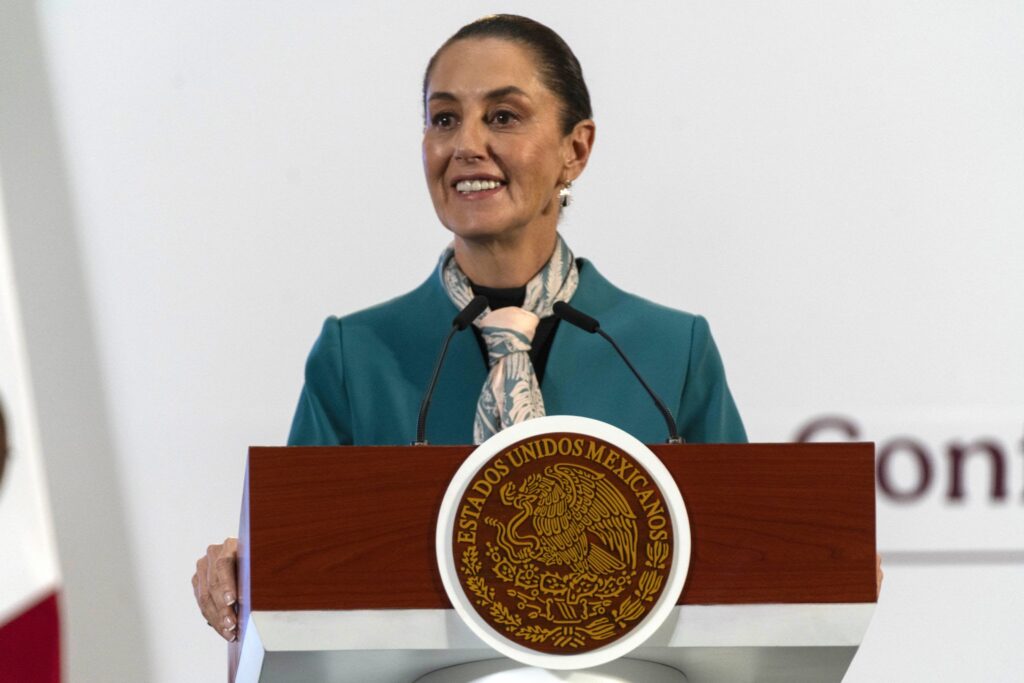
Despite these developments, President Sheinbaum has stressed that the situation is stabilising and that security forces remain fully deployed and prepared to protect both residents and the tens of thousands of international visitors expected for the World Cup. During a widely broadcast press conference from the National Palace in Mexico City, she stated that authorities have “all guarantees” in place and that there is “no risk, none” for those travelling to the country for the tournament. She reiterated that security protocols have been reviewed and bolstered in coordination with federal, state, and local law enforcement agencies to ensure that normality returns well ahead of the summer sporting spectacle.
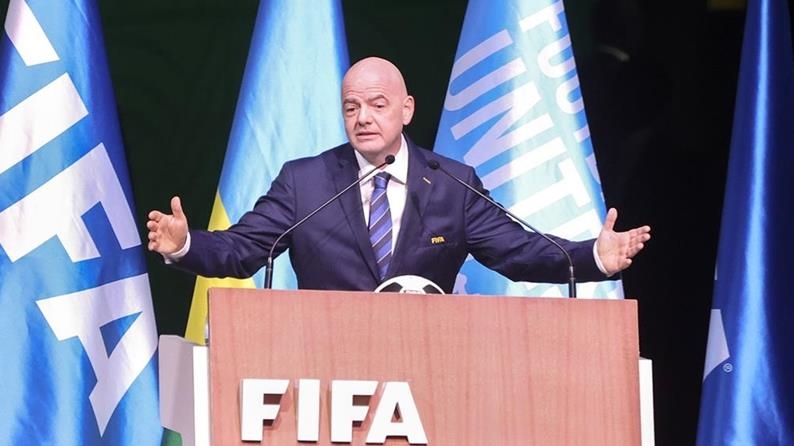
Mexico will serve as one of three host nations for the expanded 2026 World Cup, with 13 out of 104 matches set to take place across Guadalajara, Mexico City, and Monterrey. These venues are critical to FIFA’s plans for a continental tournament shared with the United States and Canada, and maintaining confidence in their safety has been a core objective for organisers. FIFA President Gianni Infantino publicly expressed confidence in Mexico’s readiness to host the event and described the preparations as “spectacular,” emphasising that adequate security measures are being implemented in cooperation with Mexican authorities.
Nevertheless, the violence following El Mencho’s death has stirred debate about the broader strategy Mexico uses to confront organised crime. Sheinbaum has differentiated her administration’s approach from previous militarised campaigns against cartels, asserting that her emphasis is on peace and long term solutions rather than direct confrontation. Her government has focused on social policies aimed at tackling the root causes of violence, although recent events have highlighted how volatile cartel dynamics can quickly escalate into significant security incidents.
Questions have also arisen internationally, with some observers drawing parallels to past incidents where cartel retaliation disrupted public life and raised concerns about tourism and foreign visitors. Embassies from several countries briefly issued travel advisories in the immediate aftermath of the violence, urging caution and providing guidance to their citizens in affected areas. However, officials have noted that the majority of attacks were concentrated outside major urban and tourist areas, and that the situation has largely calmed as roadblocks were cleared and security patrols increased their presence.
In addition to the physical violence, authorities are also contending with disinformation campaigns that emerged on social media in the wake of the unrest. False videos and exaggerated reports circulated online, amplified by artificial intelligence tools and shared widely, creating confusion and potentially influencing public perceptions of the severity of the situation. Mexican security officials have acknowledged investigations into the spread of these misleading materials, highlighting the challenges of managing both real and virtual threats to national stability.
As preparations continue for one of the most significant sporting events in the nation’s history, Mexico’s leadership has reiterated its commitment to ensuring that both residents and international visitors can enjoy the World Cup without fear for their safety. With enhanced security protocols, ongoing military and police deployments, and coordination with FIFA and international partners, President Sheinbaum’s government is focused on demonstrating that the country remains a secure and welcoming host.